

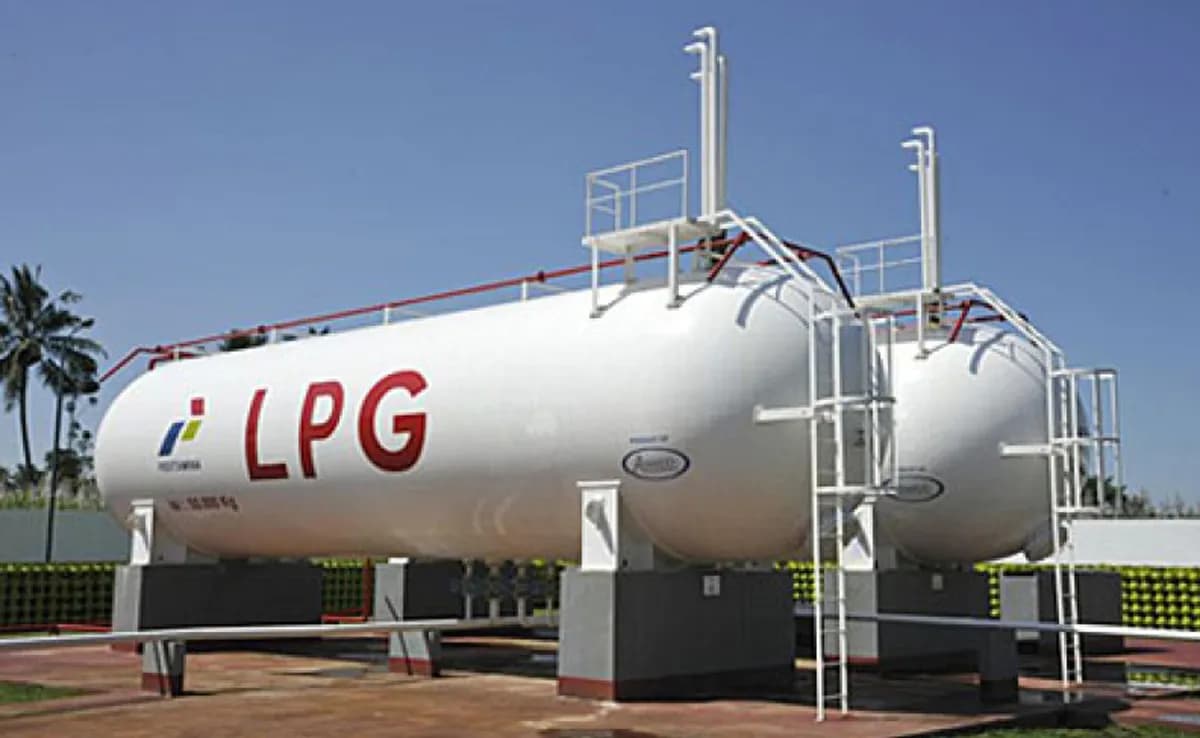
The Liquefied Petroleum Gas (LPG) market is entering a fresh wave of tension as Lagos depots report zero availability of butane and propane. Petroleumprice.ng can confirm that none of the depots in the commercial hub currently have LPG in stock. At present, only Stockgap Depot in Porth-Harcourt is selling at ₦870 per kilogram.
This development is alarming for households and businesses in Lagos, a city that accounts for a significant share of Nigeria’s LPG consumption. The absence of supply across all depots in the state not only signals distribution bottlenecks but also raises fears of a sharp price escalation in the retail market.
Why Depot Scarcity Matters
Nigeria boasts over 20 registered LPG depots, yet only a fraction are active at any given time. The complete dry-out in Lagos exposes underlying cracks in the value chain ranging from reduced import volumes to infrastructure constraints.
For Lagos residents, the implications are immediate. With no depot supplying within the state, retailers are forced to rely on longer supply chains, which inflate logistics costs and reduce competitive pricing. This dynamic sets the stage for a cost-push inflation spiral, where consumers inevitably bear the brunt.
Market Ripples and Price Outlook
Analysts warn that the shortage could trigger another round of price hikes, especially as demand for cooking gas traditionally spikes toward the last quarter of the year. For households already squeezed by inflation, any increase in LPG prices will strain disposable incomes further.
From an industry standpoint, when depot activity is this limited, active players gain disproportionate power to dictate terms. This creates a fragile market environment where prices become less about demand fundamentals and more about supply scarcity.
Beyond the Numbers: The Bigger Picture
LPG stands as Nigeria’s cleaner alternative to firewood, kerosene, and charcoal, supporting government policy to cut emissions and preserve forests. However, recurring shortages undermine this transition. When supply falters, many families reluctantly return to dirtier fuels, reversing years of progress in clean energy adoption.
Experts also note that the lack of consistent investment in domestic LPG infrastructure processing plants, storage facilities, and distribution hubs keeps the sector overly reliant on imports. This dependence exposes Nigeria to global price volatility and foreign exchange instability, both of which directly feed into local pump prices.
What Lies Ahead
The coming weeks will determine whether the Lagos depot scarcity is a short-term disruption or the beginning of another prolonged cycle of scarcity. If supply does not stabilise soon, Nigerians could see retail prices climb sharply, with ripple effects across the hospitality, food, and manufacturing sectors that depend heavily on LPG.
For now, one fact remains clear: the empty depots in Lagos are an early warning sign of tougher days ahead for both consumers and businesses.