

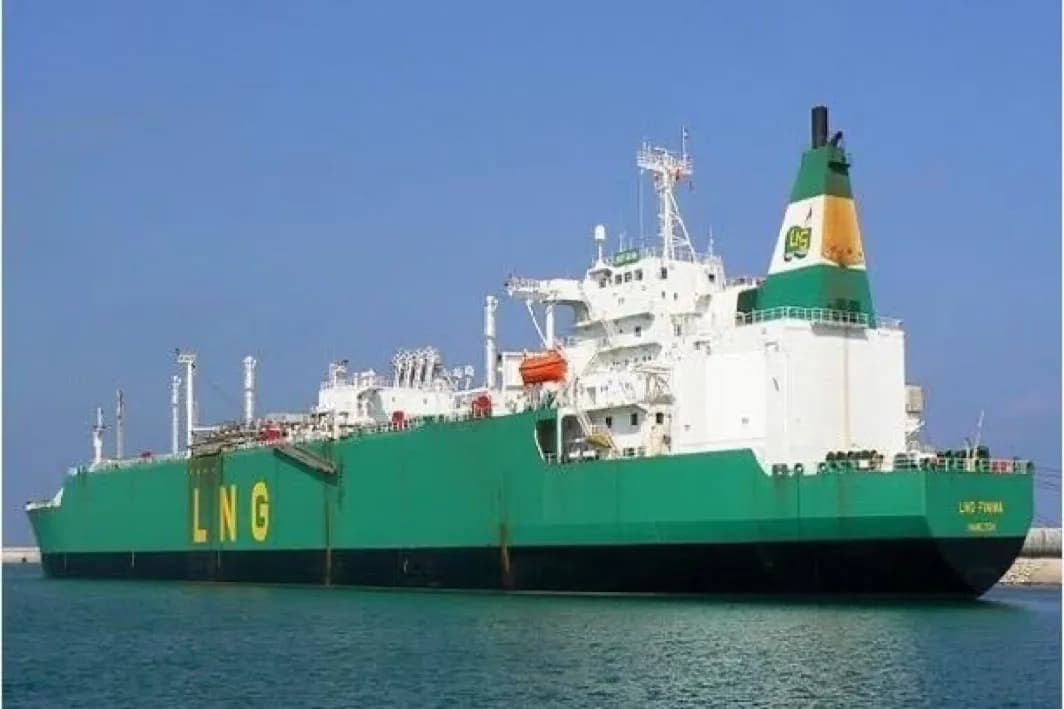
Nigeria LNG (NLNG) has announced plans to replace its entire fleet of 23 vessels by 2035 as part of its commitment to achieving net zero emissions by 2040. This major development was revealed by Nnamdi Anowi, NLNG’s General Manager for Production, during the World LNG Summit & Awards in Berlin.
The Role of Shipping in NLNG’s Emissions
According to Anowi, the company’s production facilities account for approximately 75% of its emissions, while the remaining 25% stems from its shipping operations. Modernising its fleet is a critical step towards reducing the carbon footprint associated with transporting liquefied natural gas (LNG).
Fleet Overhaul Timeline
The fleet replacement programme will be executed over the next decade, with new vessels featuring advanced technology to minimise emissions and optimise fuel efficiency. NLNG is already taking steps to implement this strategy, with the second of its newbuild ships set to join the fleet next year.
Commitment to Sustainability
This initiative is part of NLNG’s broader sustainability goals, which align with global efforts to reduce greenhouse gas emissions in the maritime sector. The shipping industry has come under increasing pressure to adopt cleaner technologies, with regulatory bodies like the International Maritime Organisation (IMO) setting strict targets to curb pollution.
Impact on Nigeria’s Energy Sector
As one of the world’s largest LNG producers, NLNG’s decision to modernise its fleet underscores Nigeria’s role in the global energy transition. By investing in environmentally friendly shipping solutions, the company is not only addressing climate concerns but also ensuring long-term competitiveness in the global LNG market.
Challenges Ahead
Despite these efforts, achieving net zero by 2040 will require substantial investment and coordination. Industry analysts point out that the cost of replacing an entire fleet, combined with the need to maintain high operational standards, presents a significant challenge.
Industry Implications
NLNG’s fleet modernisation is expected to set a precedent for other players in the LNG shipping industry. With demand for LNG expected to rise, companies that adopt sustainable practices early are likely to gain a competitive edge.
NLNG’s ambitious plan to overhaul its shipping fleet is a pivotal move in Nigeria’s journey toward sustainability. By embracing innovation and prioritising environmental stewardship, the company is not only safeguarding its future but also contributing to global climate action.