

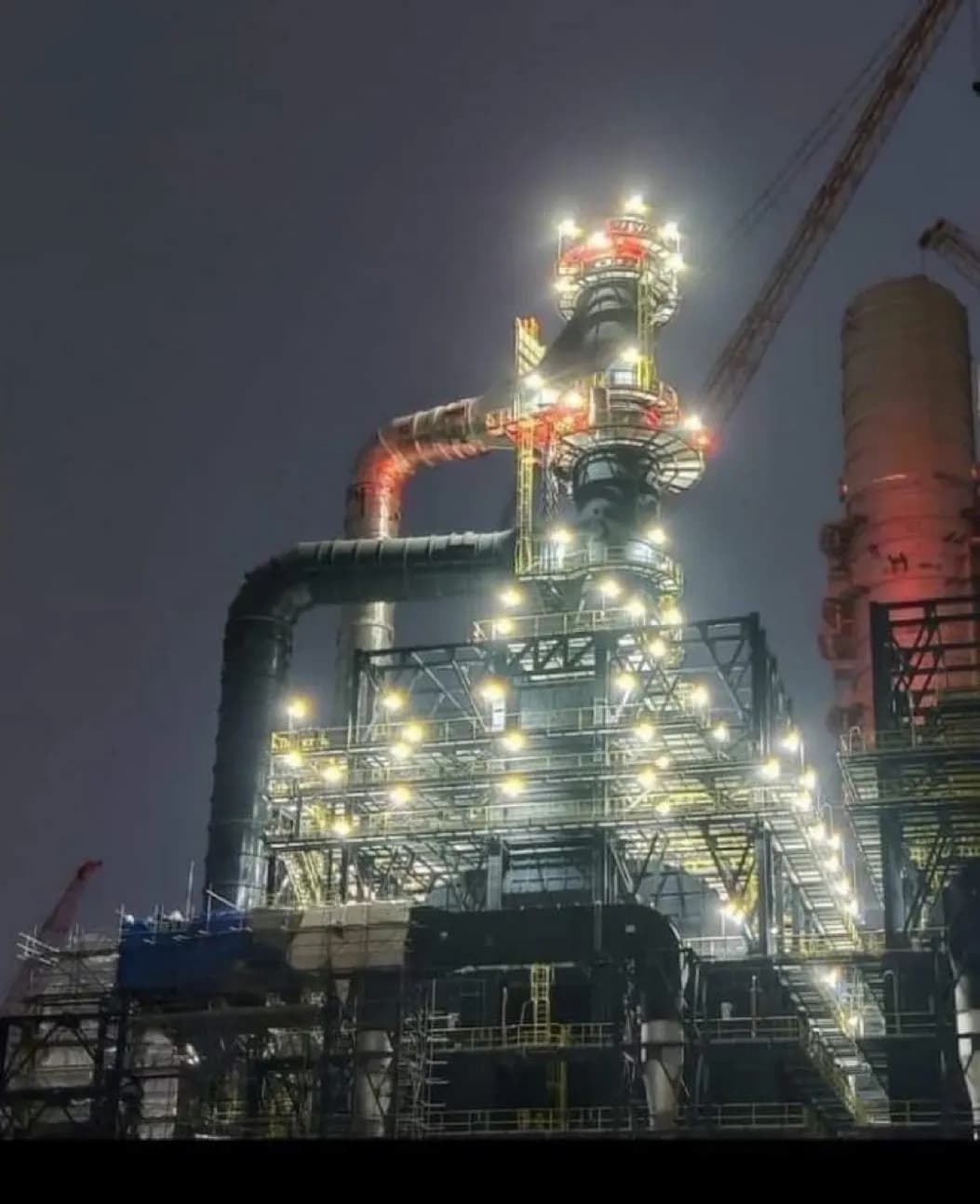
The Dangote Refinery, Africa’s largest single-train refinery, is once again at the centre of Nigeria’s downstream petroleum sector dynamics. With its prominence in the supply of Premium Motor Spirit (PMS), recent profitability analyses and regulatory issues among stakeholders have drawn significant attention. Here, we explore these developments using insights from financial data and current industry challenges.
Profitability Analysis: Costs and Margins
According to the profitability analysis of a bulk purchase of 2 million litres of PMS, the data highlights the following key metrics:
- Unit Costs: The product cost per litre is ₦899.50, amounting to ₦1.799 billion for the purchase.
- Selling Price: At the current price of ₦915.00 per litre, the gross revenue for this volume is ₦1.83 billion, yielding a gross margin of ₦31 million.
- Expenses: Other costs per litre include:
- Interest for five days at 39%: ₦4.81
- Cost of Transfer (COT): ₦0.45
- Offtake Permit: ₦1.05
- NMDPRA Fee: ₦4.50
- MDGIF Fee: ₦4.50
These expenses total ₦15.30 per litre, equivalent to ₦30.6 million overall.
- Net Margin: After factoring in these costs, the net margin per litre stands at a mere ₦0.20, translating to ₦397,404.11 for the entire transaction.
This razor-thin margin underscores the financial challenges faced by bulk buyers and marketers in maintaining profitability.
Regulatory Charges Fuel Discontent Among Stakeholders
Compounding the profitability issue is an ongoing dispute over regulatory charges. Key players, including bulk marketers and off-takers, are at odds over who should bear the costs of mandatory charges such as:
- Offtake Permit Fees: ₦1.05 per litre.
- NMDPRA Fees: ₦4.50 per litre, levied by the Nigerian Midstream and Downstream Petroleum Regulatory Authority.
- MDGIF Fees: ₦4.50 per litre.
Bulk marketers argue that these charges, particularly the regulatory ones, should be absorbed by retail outlet owners rather than themselves. This impasse has led to a temporary halt in the loading of products at the refinery, raising concerns about potential artificial fuel scarcity.
Implications for the Sector
The suspension of loading activities has immediate implications, as delays in distribution could disrupt the supply chain, particularly for retail outlets. Additionally, the loading crisis may escalate PMS prices further, with projections already hinting at a rise from ₦910 to ₦915 per litre.
A Need for Resolution
The standoff between marketers and regulators highlights the need for clear policies and collaborative dialogue among stakeholders. Regulatory agencies like the NMDPRA must establish a balance that ensures cost-sharing frameworks are fair and do not disproportionately affect any party. Without such measures, artificial scarcities and price hikes could undermine consumer confidence and economic stability.
The Dangote Refinery remains a beacon of hope for Nigeria’s downstream petroleum sector, but challenges such as tight margins, regulatory disputes, and pricing volatility continue to test its resilience. Addressing these issues effectively will be crucial to achieving sustainable profitability and securing Nigeria’s energy future.