

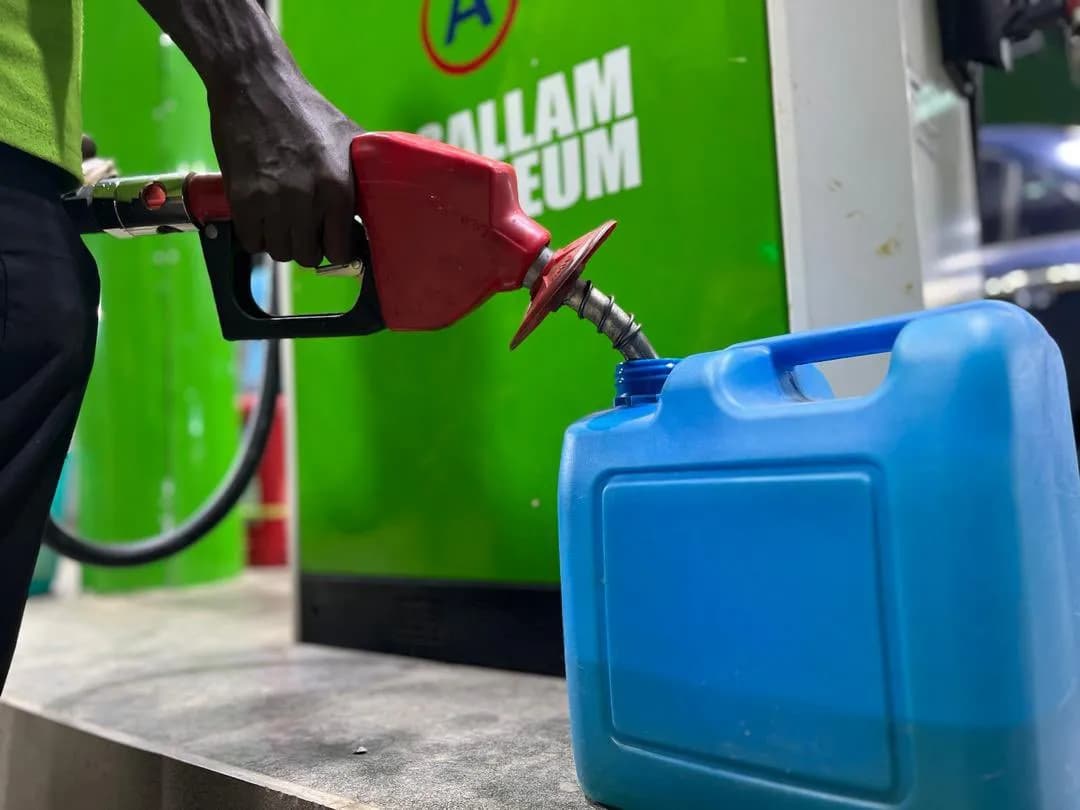
Some petroleum marketers say the ongoing scarcity of household kerosene is due to low demand from consumers.
Checks in Abuja show many households are struggling to find kerosene, with prices as high as ₦1,100 per litre at fuel stations, and between ₦1,500 and ₦2,000 per litre at black market outlets.
Shift in consumer preferences
Dr Billy Gillis-Harry, President of the Petroleum Retailers Outlet Owners Association of Nigeria (PETROAN), explained that kerosene usage has dropped significantly. Most people now prefer cooking gas, known as Liquefied Petroleum Gas (LPG), which is cleaner and more efficient.
There are two main types of kerosene: Dual-Purpose Kerosene (DPK) and Household Kerosene (HHK). DPK can be used for home cooking or aviation fuel, while HHK is strictly for home use.
“The HHK we get from the Nigerian National Petroleum Company Limited (NNPC Ltd.) is good quality, but the demand is no longer what it used to be,” Gillis-Harry said.
Sales too slow to be profitable
Gillis-Harry said if a marketer loads 45,000 litres of kerosene, it can take months to sell it all. This slows down business and reduces profits, since fuel sales depend on quick turnover.
He also denied rumours that some kerosene supplies are being mixed with aviation fuel, saying NNPC Ltd. strictly warns against such practices. He added that PETROAN has introduced a product tracking system to ensure quality from loading to delivery.
Gas gaining ground as kerosene fades
Alhaji Maigandi Garima, President of the Independent Petroleum Marketers Association of Nigeria (IPMAN), confirmed that many consumers now prefer cooking gas over kerosene. He said even when kerosene is available from refineries, it often sits unsold at stations for weeks.
Consumers like Mrs Rose Edeh and Mrs Amaka Igwe said they only use kerosene for specific tasks, such as lighting charcoal or chasing away reptiles. For cooking, they now rely on gas because kerosene has become too expensive and hard to find.
Some institutions, however, still require students to use kerosene instead of gas for safety reasons.