

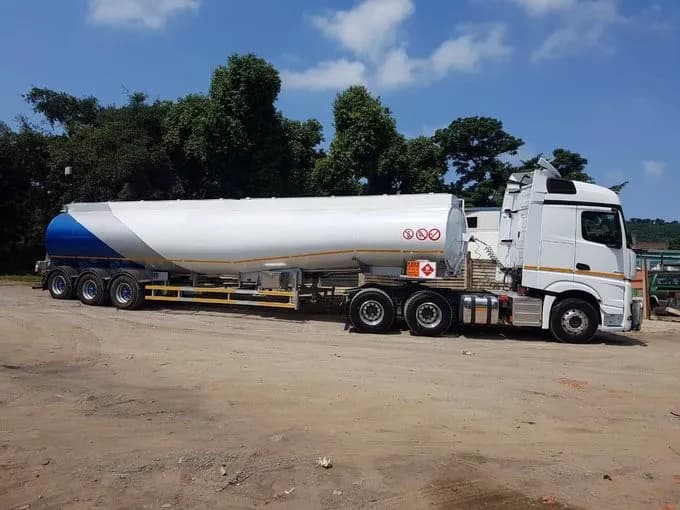
The Federal Government’s plan to introduce a five per cent surcharge on all locally refined and imported petrol has triggered widespread industry backlash, with petroleum marketers, logistics operators, and consumer advocacy groups warning of dire economic implications. The surcharge, embedded in the Nigeria Tax Administration Act signed into law on June 26, 2025, is scheduled for implementation from January 1, 2026.
An analysis based on 2024 petrol consumption data suggests the Federal Government could generate up to ₦796 billion annually from the surcharge on petrol alone. According to the Nigerian Midstream and Downstream Petroleum Regulatory Authority (NMDPRA), the country consumed 18.75 billion litres of petrol in 2024, at an average price of ₦850 per litre, amounting to ₦15.93 trillion. The five per cent charge would yield nearly ₦796bn, excluding earnings from other fossil fuels like diesel and aviation fuel.
Downstream Operators Raise Red Flags
Downstream marketers have voiced concerns that the surcharge will further distort Nigeria’s fragile pricing framework. The Independent Petroleum Marketers Association of Nigeria (IPMAN) noted that while the tax may be built into pre-pricing formulas by refiners and importers, the cost will ultimately be passed down to end users.
“Marketers operate on razor-thin margins,” said Chief Chinedu Ukadike, IPMAN’s National Publicity Secretary. “Any additional charge on import or refining directly impacts the final pump price. Consumers will bear the brunt.”
Industry Groups Call for Transparency, Caution
The Association of Nigerian Refineries Petroleum Marketers issued a cautionary statement, warning that the government must not repeat the regulatory missteps that plagued the previous subsidy regime. The group called for robust oversight mechanisms—such as digital tracking, transparent procurement, and stricter enforcement—to prevent abuse in the downstream sector.
While the association expressed conditional support for infrastructure development through surcharge-backed funding, it demanded immediate and visible reinvestment into Nigeria’s deteriorating road network before implementation begins.
Public Sentiment Turning Hostile
Civil society groups and organised labour bodies have slammed the surcharge, describing it as an “anti-poor” policy. The Joint Drivers Welfare Association criticised the government for introducing fresh levies shortly after removing subsidies, accusing officials of using the population as “economic lab rats.”
Similarly, Jackson Omenazu, Chancellor of the International Society for Social Justice and Human Rights, described the law as a deliberate attempt to burden the poor. “This government keeps pushing without listening. This could spark widespread unrest,” he warned.
Legal Scope and Exemptions
The Act authorises the Federal Inland Revenue Service (to be renamed Nigeria Revenue Service) to administer and collect the surcharge monthly. The tax will apply at the point of sale, supply, or payment, whichever comes first, and is based on the retail price of all chargeable fossil fuel products.
Exemptions include:
- Household kerosene
- Liquefied Petroleum Gas (LPG)
- Compressed Natural Gas (CNG)
- Renewable energy sources (solar, wind, hydropower, etc.)
Although the Federal Government aims to diversify revenue and promote fiscal sustainability, the industry warns that this move could destabilise petrol pricing, erode consumer confidence, and intensify economic hardship if implemented without safeguards.
As implementation awaits the Minister of Finance’s final approval, stakeholders across the petroleum value chain are calling for wider consultation, policy clarity, and economic cushioning before the law takes effect in January 2026.