

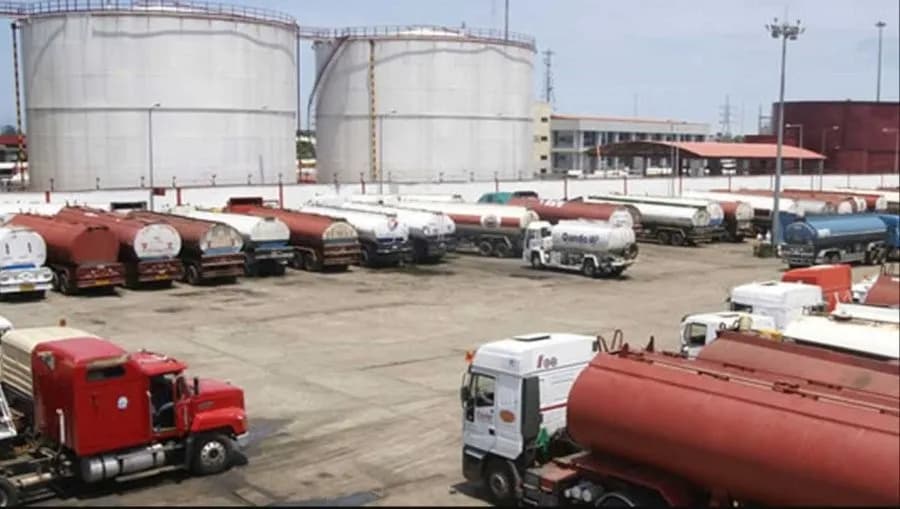
Petroleum depot marketers have criticized the implementation of a ₦10,000 e-call-up fee on trucks entering depots across Lagos, alleging a lack of transparency and deviation from the original agreement intended for only the Lekki corridor.
The fee, officially endorsed on July 31 by the Lagos State Government, NUPENG, NARTO, and IPMAN, was originally designed to streamline truck traffic within the Lekki Free Trade Zone. However, marketers say enforcement has extended quietly to all depots in the state—without prior notice or formal communication.
“This was never meant to apply outside the Ibeju-Lekki axis,” said one marketer who asked not to be named. “Now, trucks loading at Apapa, Ibafon, and even Satellite are being charged the same ₦10,000. That’s not what we agreed.”
Fee Spurs Fresh Concerns Over Distribution Costs
Industry players argue that the fee—combined with existing union charges—could raise per-truck loading expenses to over ₦150,000. Marketers fear that the cost will inevitably affect fuel distribution nationwide.
A senior marketer warned, “Each new layer of cost makes petroleum delivery more expensive. The impact will show up at the pump sooner or later.”
The Petroleum Tanker Drivers (PTD), a branch of NUPENG, acknowledged the growing discontent in an interview with Petroleumprice.ng. Comrade Akougbo Isreal, a PTD national executive, stated that the unions had no choice but to support the implementation.
“NARTO rejected an earlier ₦15,000 proposal. But when the government insisted, we pushed for a reduction to ₦10,000. We’re not collecting the money; we’re only helping facilitate the process,” he explained.
Rollout Expands Statewide, Drawing Mixed Reactions
According to the official plan, trucks must register with the new digital system before accessing designated loading points. The approved seven trailer parks now feature CCTVs, restrooms, and basic accommodations for drivers.
Lagos State officials insist the initiative is not a revenue drive but a response to road safety concerns raised by Lekki residents over rising truck-related accidents. They maintain the ₦10,000 charge covers logistics, enforcement, and technology operations—not state coffers.
Still, marketers believe the rollout has outpaced its intended scope. “We understand the need for structure,” said one operator, “but extending the policy statewide without dialogue could deepen tension across the downstream supply chain.”
Calls for Review Amid Broader Sector Uncertainty
The Nigerian downstream sector is already under pressure from rising depot prices, FX instability, and the absence of a clear fuel pricing template. With the e-call-up charge now part of the loading process, marketers say the situation calls for urgent review.
“This industry can’t afford new costs without structure,” another marketer said. “We need fairness and accountability, not unilateral rollouts that surprise operators.”
For now, enforcement is scheduled to begin August 1. All trucks accessing Lagos depots—regardless of location—must comply or risk being denied entry.