

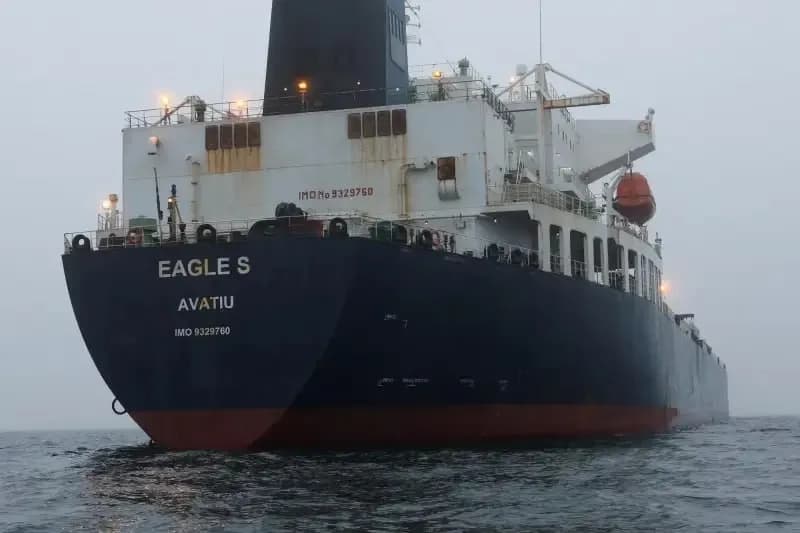
Fresh updates from the West Africa Tanker Position Report confirm a surge of vessels berthing between August 23 and 26 across Lagos, Warri, Calabar, and Port Harcourt depots. These inflows of PMS, AGO, and Jet A1 reinforce Nigeria’s downstream market supply amid rising crude benchmarks.
Confirmed Tanker Activities at Lagos
- ST WALGA — AGO Vessel for Octavus Petroleum
- Product: AGO – 15,000 MT
- Arrival: 19 Aug 2025
- Berth: 25 Aug 2025
- Depot: EMADEB
- Remarks: Awaiting clearance to commence discharge
- MYCROFT — AGO/JET A1 Vessel
- Product: AGO/ATK – 27,800 MT combined
- Arrival: 15 Aug 2025
- Berth: 26 Aug 2025
- Depot: NIPCO
- Remarks: Discharging in progress
- GOLDEN JASMINE — Jet A1 Vessel for 11 PLC
- Product: Jet A1 – 14,200 MT
- Arrival: 21 Aug 2025
- Berth: 26 Aug 2025
- Depot: 11 PLC
- Remarks: Discharging in progress
Confirmed Tanker Activity at Warri
- ST ILHAAM — PMS Vessel for Rain Oil
- Product: PMS – 15,000 MT
- Arrival: 20 Aug 2025
- Berth: 25 Aug 2025
- Depot: Rain Oil
- Remarks: Awaiting clearance to commence discharge
Confirmed Tanker Activities at Calabar
- AFRICAN MARVEL — PMS Vessel for NNPC
- Product: PMS – 20,000 MT
- Arrival: 23 Aug 2025
- Berth: 23 Aug 2025
- Depot: Soroman
- Remarks: Discharging in progress
Confirmed Tanker Activities at Port Harcourt
- ASHABI — AGO Vessel
- Product: AGO – 15,000 MT
- Arrival: 23 Aug 2025
- Berth: 25 Aug 2025
- Depot: Stock Gap
- Remarks: Awaiting clearance to commence discharge
Market Implication
Altogether, Six tankers berthed between August 23 and 26, injecting over 100,000 MT of PMS, AGO, and Jet A1 into Nigeria’s supply chain. This volume offers near-term relief for depot operators while boosting product availability for marketers.
However, market watchers stress that any clearance or scheduling delays could strain Lagos distribution networks, where consumption levels remain highest. Coupled with Brent crude prices holding above $67 per barrel, depot quotes are expected to remain volatile, closely tracking international benchmarks.
For industry stakeholders, these tanker inflows highlight the critical balance between global oil markets, port operations, and local pricing outcomes.