

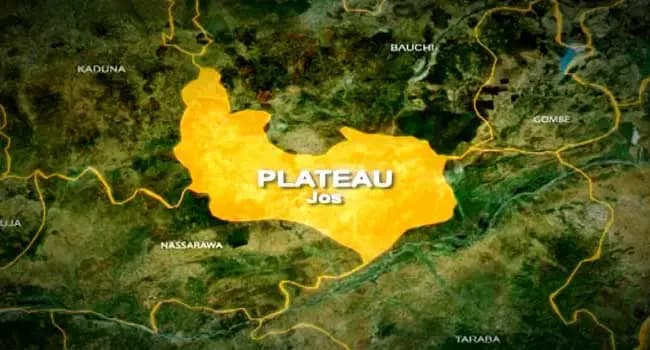
A five-year geological investigation has identified promising oil and natural gas prospects in Plateau State, with researchers urging further exploration to determine the commercial viability of the discoveries and potentially open a new hydrocarbon frontier in Nigeria's Middle Belt.
The findings emerged from a research project funded by the Petroleum Technology Development Fund (PTDF) in collaboration with the University of Jos (UNIJOS). According to findings presented at the close-out seminar of the PTDF Endowment Professorial Chair in Geology and Mineral Science, the study found geological conditions capable of supporting hydrocarbon generation, with natural gas identified as the most commercially promising resource.
Presenting the report, titled Integrated Geological and Geophysical Evaluation of the Shendam Sheet 212, Middle Belt Trough, Nigeria, the Chair Occupant, Professor Nuhu Kadai Samaila, said the research confirmed the presence of geological indicators associated with oil and gas accumulation.
According to him, the investigation established the existence of natural gas deposits while also identifying geological conditions favourable for crude oil formation.
"I can tell you that there is oil in Plateau. What we are able to establish right now is gas. We also have thick sediments and temperature gradients sufficient to mature source rocks within the basin," Samaila said.
Although the broader study covered parts of the Benue Trough, researchers concentrated on the Shendam Sheet 212 area, where laboratory analyses produced encouraging results.
The team identified appreciable organic carbon content in rock samples alongside sediment thickness exceeding 500 metres in several locations, conditions regarded as critical for hydrocarbon generation despite evidence of weathering and erosion across parts of the basin.
The research suggests that natural gas is likely to be the dominant hydrocarbon resource in the area.
Professor Samaila explained that preliminary geochemical analyses showed the organic matter was predominantly Type III and Type IV kerogen, which is generally associated with natural gas generation rather than crude oil.
However, the researchers also reported evidence of degraded crude oil occurring naturally at the surface in parts of Langtang North and Langtang South, indicating that additional petroleum resources may exist and warrant further investigation.
He called on the PTDF to partner with the Nigerian National Petroleum Company Limited (NNPCL) to undertake seismic surveys that would determine the quantity, quality and commercial viability of the identified hydrocarbon resources.
Beyond hydrocarbons, the study also identified commercially significant mineral deposits capable of expanding Plateau State's resource base.
Among the discoveries were commercially viable barite deposits—an industrial mineral widely used in oil drilling operations—as well as hydrothermal energy resources that could support electricity generation.
Researchers believe the findings could create additional investment opportunities while supporting Nigeria's efforts to diversify its economy beyond crude oil production.
Speaking at the seminar, PTDF Executive Secretary, Professor Shuaibu Shehu Aliyu, represented by the Fund's Deputy Manager (Procurement), Dikko Abba, urged Nigerian universities to place greater emphasis on research capable of attracting investment and driving industrial development.
He described the Plateau study as a significant contribution to Nigeria's resource development strategy, noting that comprehensive geological investigations remain essential for guiding future exploration activities.
The Vice-Chancellor of the University of Jos, Professor Tanko Ishaya, also commended the collaboration between the university and PTDF, describing it as evidence of the value of sustained investment in scientific research.
According to him, the project has strengthened institutional research capacity, encouraged closer collaboration between academia and industry, and laid the groundwork for future commercial application of the discoveries.
If confirmed through detailed seismic exploration and commercial appraisal, the discoveries could position Plateau State among Nigeria's emerging hydrocarbon-producing regions, expanding oil and gas exploration beyond the country's traditional producing areas while creating new opportunities across the Middle Belt.