

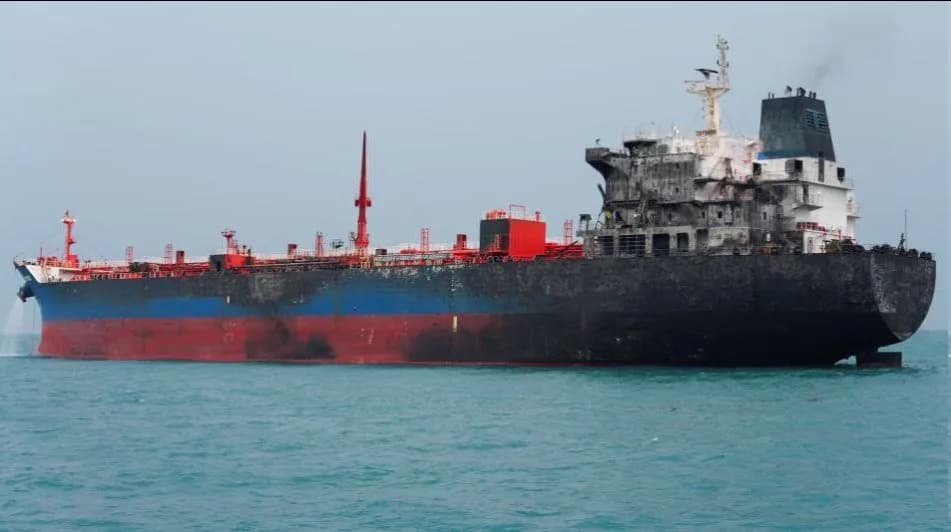
Nigeria is increasingly positioning itself as Africa’s leading exporter of Automotive Gas Oil (AGO), commonly known as diesel, following a sharp rise in local refining output that pushed average daily diesel exports to 17.8 million litres in April 2026, according to new data released by the Nigerian Midstream and Downstream Petroleum Regulatory Authority (NMDPRA).
The latest NMDPRA April 2026 facts sheet showed that domestic refineries produced an average of 23.6 million litres of diesel per day during the month, while only 8.0 million litres daily were supplied into the domestic market. Exports accounted for the largest share of evacuation volumes, underscoring Nigeria’s growing role as a major supplier of refined petroleum products across African and international markets.
The development marks a significant reversal for Nigeria, which for years depended heavily on imported refined petroleum products due to inadequate local refining capacity and repeated shutdowns of state-owned refineries.
Industry analysts said the surge in exports was largely driven by the sustained ramp-up in production from the Dangote Refinery, which the NMDPRA noted operated at 100 per cent capacity utilisation for most days in April. The regulator also disclosed that average domestic refinery utilisation reached 99.12 per cent during the month, one of the highest operational levels recorded in recent years.
The strong refining performance coincided with a sharp reduction in imported crude dependence. Data from the report showed imported crude receipts by domestic refineries fell to just 0.41 million barrels in April, compared to 9.43 million barrels recorded in March, while domestic crude supply rose significantly to 20.92 million barrels.
The figures suggest that Nigerian refineries increasingly relied on locally sourced crude feedstock to sustain operations, a development expected to ease pressure on foreign exchange demand and improve domestic value retention within the petroleum supply chain.
Despite the increase in refining output, diesel consumption within Nigeria remained elevated. NMDPRA data showed actual diesel truck-out averaged 17.3 million litres daily in April, exceeding the official national benchmark of 14 million litres per day.
The higher diesel demand continues to reflect the country’s dependence on self-generated power by households, industries and commercial operators amid persistent electricity supply constraints.
Nigeria also maintained relatively strong diesel inventory levels during the period. The report indicated that national diesel sufficiency stood at 39 days, suggesting that available stock levels remained stable despite strong export activity.
In addition to diesel exports, the report highlighted growing refined product export activity across other segments. Aviation turbine kerosene exports reached 20.5 million litres daily in April, compared to domestic supply of just 2.6 million litres per day.
Petrol production also remained strong during the month, averaging 53.6 million litres daily, with 40.7 million litres supplied domestically and 17.1 million litres exported.
The broader refining expansion comes amid elevated international oil prices. NMDPRA reported that average dated Brent crude traded at $120.55 per barrel in April, while gasoline costs averaged $1,074.97 per metric tonne during the period.
Energy market observers say the sustained rise in refined product exports could strengthen Nigeria’s position as Africa’s dominant downstream petroleum supply hub, particularly for West African markets that continue to rely heavily on imported petroleum products.
However, analysts also note that long-term sustainability will depend on stable crude supply arrangements, logistics efficiency, infrastructure expansion and the ability of domestic refiners to maintain high utilisation levels consistently.