

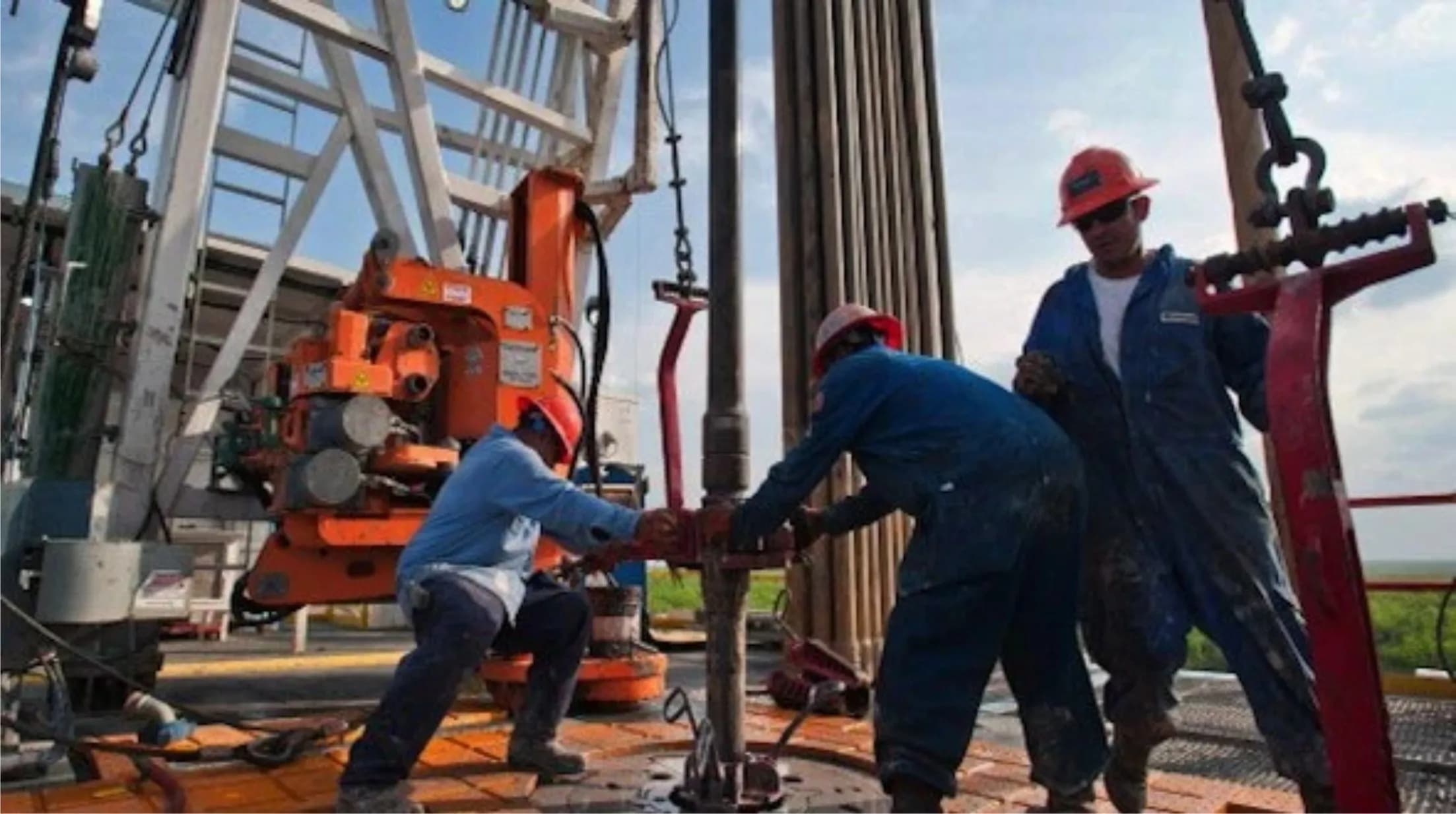
Nigeria’s local oil refiners are increasingly under pressure as persistent crude oil shortages continue to disrupt operations, even as the country exported an estimated 306 million barrels of crude oil between January and October 2025. The trend exposes a widening gap between Nigeria’s export-driven crude strategy and its domestic refining ambitions.
Data from the Central Bank of Nigeria (CBN) show that although the country produced sizeable crude volumes during the period, the bulk of the output flowed to the international market, leaving domestic refineries struggling to secure feedstock.
Exports take the lion’s share of production
Within the 10-month window, Nigeria produced about 443.5 million barrels of crude oil, averaging roughly 1.45 million barrels per day. However, exports accounted for nearly 69 per cent of total output, amounting to approximately 306.7 million barrels, while only about 137 million barrels were available for local consumption.
Production opened strongly in January at 1.54 mbpd but declined to 1.40 mbpd in March. It then recovered modestly in June and July at 1.51 mbpd before easing again towards September and October. Export volumes tracked this pattern closely, rising during high-output months and softening when production dipped, yet consistently absorbing a significant portion of total supply.
Consequently, analysts say Nigeria continues to favour dollar-denominated export revenue over domestic crude utilisation.
Domestic refiners squeezed despite supply obligations
Meanwhile, crude shortages persist despite the Domestic Crude Supply Obligation (DCSO) enshrined in Section 109 of the Petroleum Industry Act, which requires upstream producers to prioritise local refineries before exporting crude. The Nigerian Upstream Petroleum Regulatory Commission (NUPRC) oversees the policy to strengthen energy security and expand domestic refining capacity.
In practice, however, refiners say the ‘willing buyer, willing seller’ framework weakens the policy. By tying domestic sales to international pricing, the arrangement places local refiners at a disadvantage, especially amid foreign exchange constraints.
Speaking to Newsmen, the National Publicity Secretary of the Crude Oil Refiners Association of Nigeria, Eche Idoko, said many modular refineries are operating far below capacity because they cannot secure enough crude.
“We have the installed capacity to produce far more than we currently do, but inadequate feedstock continues to limit output,” Idoko said. He explained that the OPAC refinery, with a 10,000-barrel capacity, often produces only about 1,000 barrels and sometimes shuts down for months due to crude unavailability.
He added that even large-scale facilities are not spared, noting that the Dangote Petroleum Refinery recently ran at about 60 per cent capacity despite the naira-for-crude arrangement.
Pricing disputes and policy gaps deepen the crisis
Although the NUPRC has warned that oil companies could lose export permits for failing to meet domestic supply obligations, gaps remain. The regulator disclosed that some crude cargoes offered to local refiners were rejected due to pricing disagreements and crude grade preferences.
Refiners, however, argue that the core issue is not rejection but affordability and access. According to Idoko, upstream producers naturally gravitate towards export markets that guarantee faster payments and higher margins, effectively pricing local refiners out of crude they are entitled to receive.
Energy experts warn that unless the Federal Government strengthens enforcement of domestic supply rules, Nigeria risks stalling its refining drive. Professor Dayo Ayoade, an energy expert, urged authorities to prioritise crude allocation to local refineries to unlock their full potential.
Ultimately, the figures tell a clear story: Nigeria produces enough crude to serve both export and domestic needs, but the continued emphasis on export earnings is leaving local refineries short of feedstock, underutilised and unable to deliver on the promise of refining self-sufficiency.