

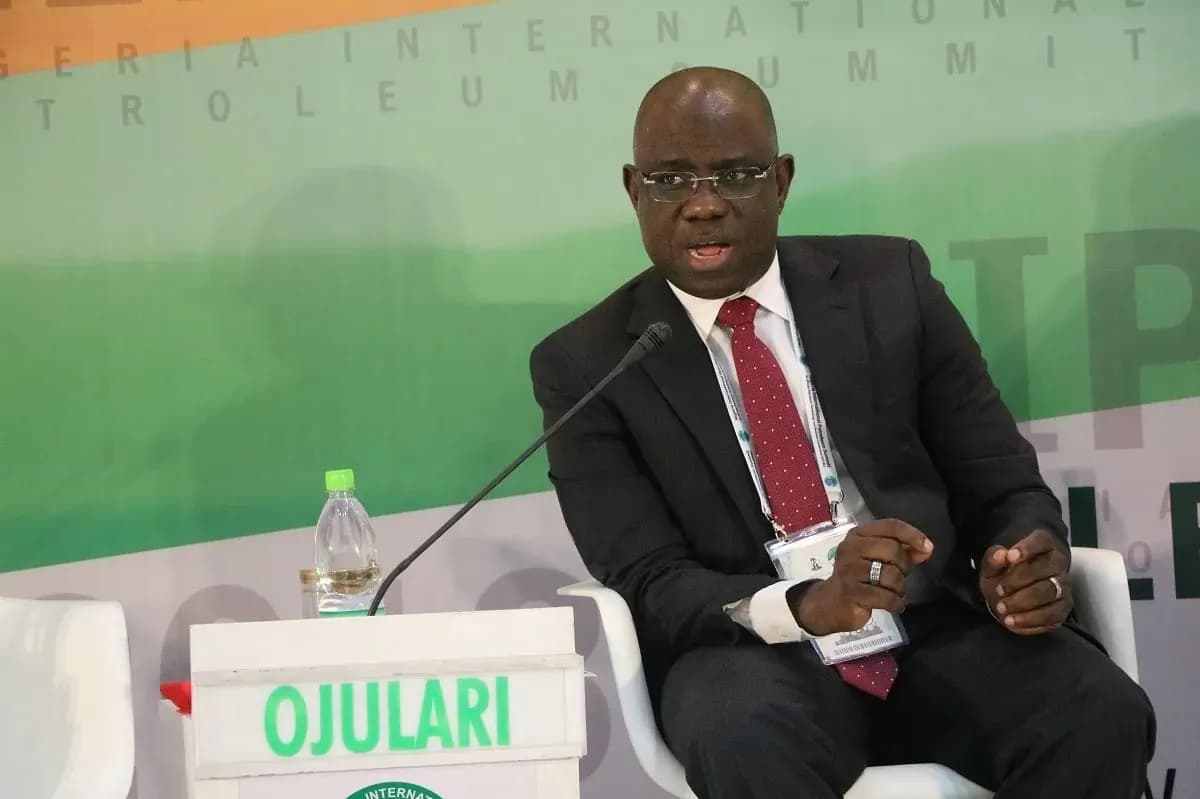
Nigeria is edging close to full crude oil production capacity following a coordinated security crackdown that has stabilised operations in the Niger Delta, according to the Nigerian National Petroleum Company Limited (NNPCL).
Security Crackdown Restores Output
The Group Chief Executive Officer of NNPCL, Bayo Ojulari, disclosed the development at the maiden African Chiefs of Defence Staff Summit in Abuja. He revealed that crude receipts, once at critically low levels due to sabotage and theft, are now approaching 100 per cent.
“Not long ago, pipeline flows fell to 20–30 per cent as theft, vandalism and illegal refining crippled production. Today, we are closing in on full capacity, thanks to joint military operations, intelligence-led patrols and government support,” Ojulari said.
Industry Stability and Investor Confidence
The turnaround signals a significant boost for Nigeria’s oil sector, which had struggled with chronic production shortfalls. Analysts note that improved security around critical energy infrastructure is vital for meeting OPEC quotas, restoring investor confidence, and driving government revenues in a deregulated energy market.
Ojulari emphasised that the oil sector had directly benefited from the professionalism and discipline of the Nigerian Armed Forces and security agencies. He highlighted that their interventions created the enabling environment for upstream operators to ramp up production.
Global Dimension of Oil Theft
Beyond local challenges, Ojulari warned that crude theft is tied to international syndicates exploiting weaknesses in regional and continental security frameworks. He called for deeper collaboration among African states, noting that energy security should be treated as a shared strategic priority.
“It is imperative that defence summits such as this reinforce cooperation across borders. Together, we can safeguard Africa’s hydrocarbon wealth and unlock prosperity,” he said.
Continental Backing for Energy Security
The summit, themed “Combating Contemporary Threats to Regional Peace and Security in Africa”, drew participants from 36 countries. Vice President Kashim Shettima represented President Bola Tinubu, while Deputy UN Secretary-General Amina Mohammed delivered the keynote address.
Industry observers believe Nigeria’s near-full production recovery could stabilise global crude supply balances, especially as Brent trades above $70 per barrel. However, they caution that sustaining security gains requires continuous joint action against transnational oil theft networks.