

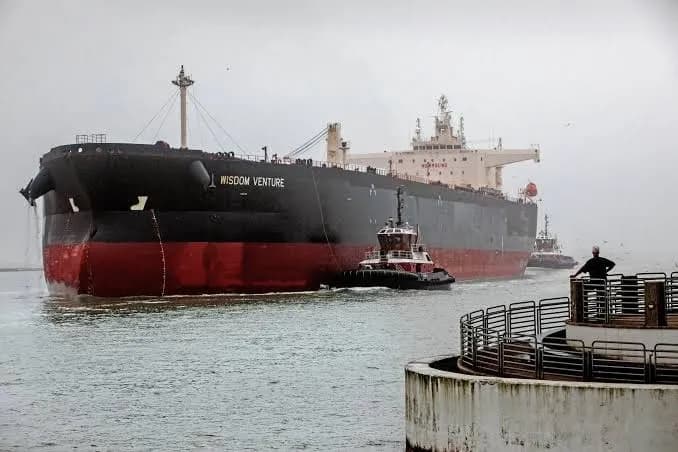
A total of four petroleum product tanker are currently lined up across Nigeria’s strategic coastal depots two in Lagos, one in Port Harcourt, and one in Warri highlighting the ongoing movement of refined fuel imports critical to stabilising inland distribution. This report is based on verified data from the Daily Oil and Gas Market Intelligence Report and the West Africa Product Tanker Report as of 26 May 2025.
Lagos Tanker Report: ST LADY MEENAH and ALFRED TEMILE
1. ST LADY MEENAH
- Depot: MENJ OIL
- Product: AGO (Automotive Gas Oil)
- Quantity: 15,000 MT
- Status: At berth
- Remarks: Yet to arrive for discharge at Menj Jetty
2. ALFRED TEMILE
- Depot: NAVGAS
- Product: LPG (Liquefied Petroleum Gas)
- Quantity: 8,000 MT
- Status: At berth
- Remarks: Yet to arrive for discharge
Port Harcourt Tanker Report: MATRIX PRIDE
3. MATRIX PRIDE
- Depot: MATRIX ENERGY
- Product: PMS (Premium Motor Spirit)
- Quantity: 25,000 MT
- ETA: 25 May 2025
- Status: Anchored, awaiting discharge
- Remarks: Next tanker to berth/discharge
Warri Tanker Report: MATRIX TRIUMPH
4. MATRIX TRIUMPH
- Depot: MATRIX ENERGY
- Product: PMS
- Quantity: 15,000 MT
- ETA: 16 May 2025
- ETB: 18 May 2025
- Status: Discharging in progress
- Remarks: Matrix Energy – Discharging in progress
As of 26 May 2025, these four tanker movements reflect a structured and ongoing effort to maintain fuel availability across Nigeria’s major port cities. While discharge activity is underway at Warri, Lagos-bound vessels are positioned to deliver AGO and LPG products that will support both retail and industrial supply chains.
The anticipated discharge of Matrix Pride in Port Harcourt is also crucial, especially in light of the recently announced one-month shutdown of the Port Harcourt Refinery for maintenance. This reaffirms the importance of maritime fuel logistics in cushioning inland markets from potential shortfalls.
Moving forward, the pace of product discharge and berthing efficiency will remain critical to balancing depot inventories and ensuring price stability in the downstream market. Stakeholders continue to monitor discharge timing, port congestion, and inventory turnover as key variables in Nigeria’s fuel security framework.