

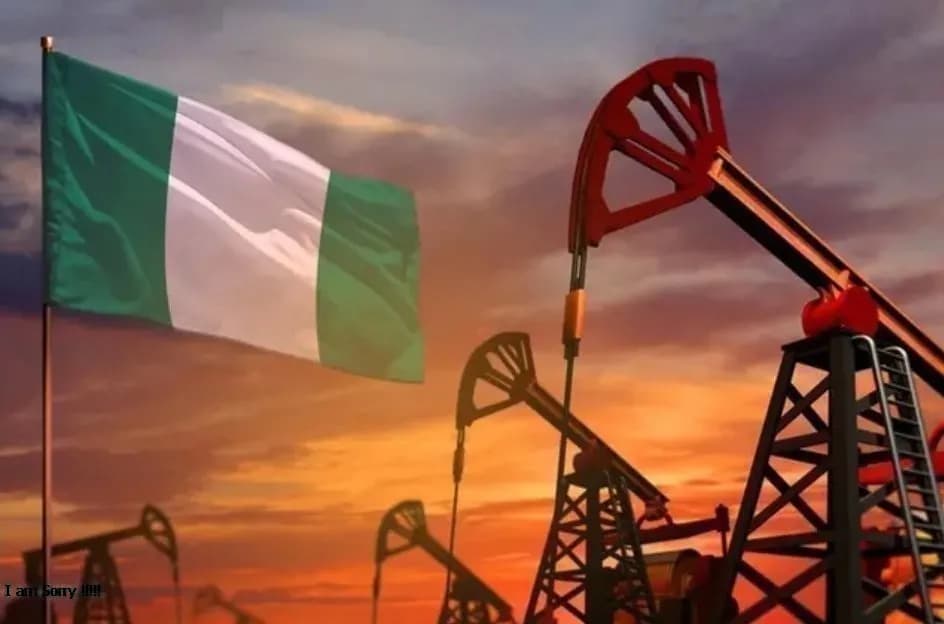
Nigeria holds 36.89 billion barrels of proven oil reserves, ranking second in Africa and reaffirming its role as a cornerstone of the continent’s petroleum industry as well as a key player within OPEC.
At the top of the list, Libya maintains its dominance with 48.36 billion barrels, despite years of political instability and recurring output disruptions. Nigeria follows closely, standing out as West Africa’s energy powerhouse and one of the world’s most influential crude suppliers.
Meanwhile, Algeria comes in third with 12.2 billion barrels, leveraging its hydrocarbon wealth to meet domestic energy needs and sustain exports to Europe. Angola ranks fourth with 7.783 billion barrels, continuing to attract steady investment in offshore projects. In fifth place, South Sudan holds 3.75 billion barrels, reflecting its heavy reliance on oil revenues despite ongoing economic and political challenges.
The remainder of Africa’s top 10 oil reserve holders includes:
- Egypt – 3.3 billion barrels
- Republic of Congo – 2.885 billion barrels
- Uganda – 2.5 billion barrels
- Gabon – 2 billion barrels
- Chad – 1.5 billion barrels
Collectively, these ten nations account for nearly all of Africa’s proven crude reserves, underscoring the continent’s enduring importance in global energy markets. However, analysts caution that large reserves do not always translate into production strength, as instability, underinvestment, and infrastructure gaps continue to constrain several producers.
Looking ahead, Africa’s oil-rich countries, including Nigeria, face the dual challenge of monetising their hydrocarbon wealth while preparing for a global transition toward cleaner and more sustainable energy sources.