

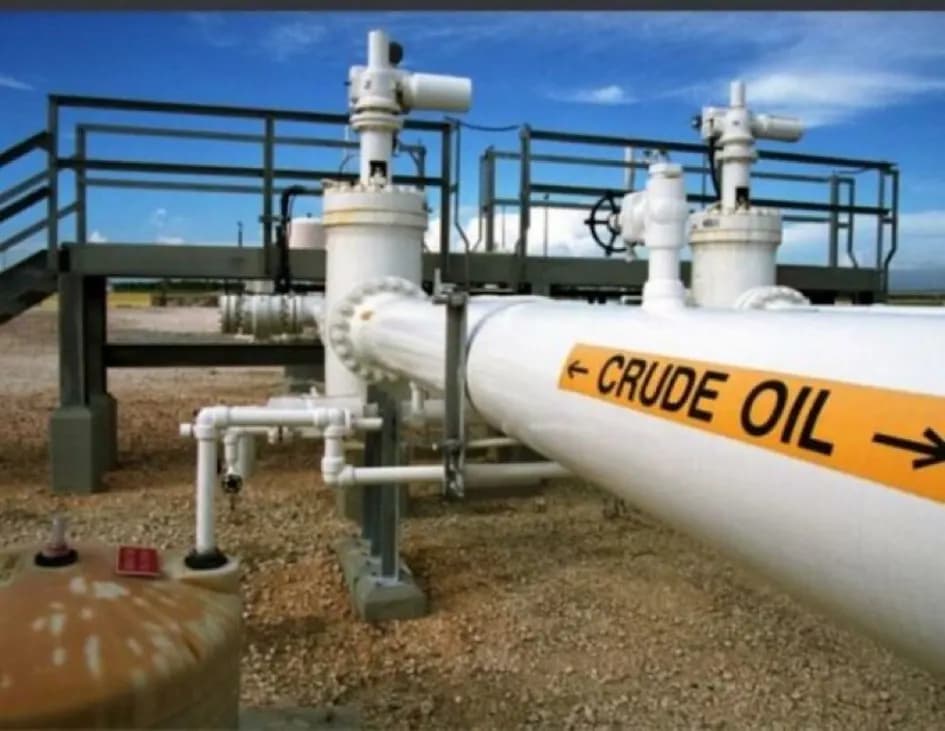
Nigeria's oil and gas sector generated significantly less revenue than projected during the first nine months of the 2025 fiscal year, as lower crude production levels and softer international oil prices reduced government earnings from the petroleum industry.
Data from the Federation Budget Office showed that several major oil and gas revenue streams fell below budget expectations during the period under review, highlighting the fiscal challenges facing a country that remains heavily dependent on hydrocarbon revenues.
Petroleum profit tax and gas-related taxes recorded one of the largest gaps, generating ₦6.14 trillion compared to a budget target of ₦23.54 trillion. The performance represented a substantial shortfall against government projections.
Revenue from crude oil and gas sales also underperformed, reaching ₦1.33 trillion against an expected ₦3.53 trillion. Similarly, oil and gas royalties generated ₦5.54 trillion, below the ₦10.3 trillion target set for the period.
Other petroleum-related revenue sources contributed ₦475.9 billion, compared with a projected ₦887.65 billion.
According to the Budget Office, lower-than-expected crude oil production and weaker global oil prices were among the primary factors behind the revenue gap. The agency also cited operational constraints, infrastructure limitations, inadequate investment in upstream activities and persistent crude oil theft as factors affecting sector performance.
The latest figures add to concerns over the long-term trend in Nigeria's petroleum revenue generation.
Industry data show that government earnings from the oil sector have faced sustained pressure in recent years despite efforts to improve production and attract investment. While crude output showed signs of recovery during parts of 2024, losses linked to theft, operational disruptions and market conditions continued to affect overall revenue performance.
The revenue shortfall comes at a time when the government is seeking to strengthen public finances and fund key development priorities. Analysts have repeatedly warned that Nigeria's reliance on oil revenues leaves public finances vulnerable to fluctuations in global commodity prices and domestic production challenges.
Concerns over the impact of lower oil prices on government revenue have also been reflected in recent economic assessments, which project continued pressure on fiscal performance if market conditions remain weak.
In response to concerns over revenue management within the sector, the Federal Government introduced measures earlier this year aimed at improving oversight and centralising the collection of oil and gas revenues. The policy seeks to strengthen transparency and improve the flow of funds into government coffers.
However, the effect of those reforms was not reflected in the revenue figures reported for the first three quarters of the 2025 fiscal year.
The latest Budget Office data underscore the challenges facing Nigeria's petroleum sector, where production setbacks, crude theft, infrastructure constraints and market volatility continue to weigh on government earnings despite ongoing reform efforts.