

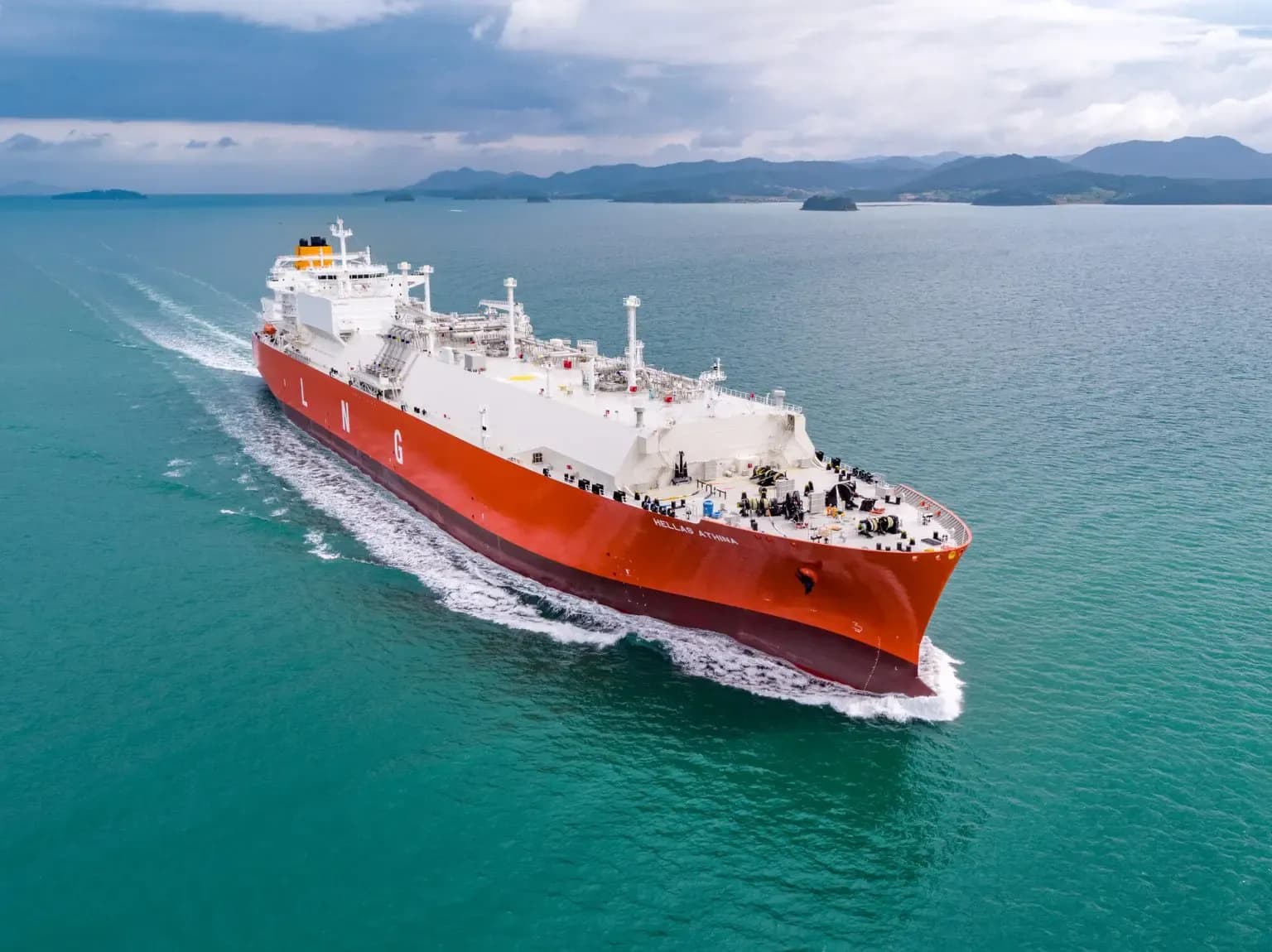
Despite the much-anticipated launch of the Dangote Refinery, Nigeria spent an eye-watering N3 trillion importing petrol in just 42 days, from October to early November. This colossal expenditure comes at a time when local refining capacity is growing, raising questions about the balance between Nigeria’s dependence on foreign fuel and its efforts to build a sustainable energy sector at home.
Reports indicate that, within this 42-day window, the country imported 1.5 million metric tons of petrol, along with substantial quantities of diesel and aviation fuel, reaching a combined import total of around N3 trillion. This spending highlights an enduring issue: even as one of Africa’s largest oil producers, Nigeria is still heavily reliant on imported fuel to meet local demand.
Importing Amid Domestic Refining
The Dangote Refinery, with its vast refining capability, was meant to be a game-changer. Designed to refine 650,000 barrels per day, the facility has the capacity to process enough fuel to satisfy national needs and reduce Nigeria’s reliance on imports. But experts note that transitioning fully to local supply is proving complicated, largely due to lingering infrastructure gaps and policy misalignments.
Kevin Emmanuel, an economist and energy analyst, points out that while the Petroleum Industry Act (PIA) mandates that import licenses should only be granted if local refineries cannot meet demand, the current import levels suggest otherwise. “With Dangote’s capacity, Nigeria should, in theory, be less reliant on imported petrol by now. But that’s not happening, and it’s an indication that something deeper is at play,” Emmanuel explained.
Policy vs. Reality
One factor driving this reliance on imports, according to industry insiders, is policy inconsistency. The Nigerian National Petroleum Corporation (NNPC) recently indicated it would prioritise fuel from local refineries. Yet, the recent fuel import data tells a different story. According to analysts, the Nigerian Midstream and Downstream Petroleum Regulatory Authority (NMDPRA) continues to issue import licenses for volumes that the Dangote Refinery could theoretically cover, complicating efforts to wean Nigeria off imported fuel.
Emmanuel adds, “If Nigeria is issuing licenses and allowing billions to be spent on imports despite available local supply, it not only undercuts the very purpose of local refining but also strains the economy by draining foreign reserves.”
Economic Impact and the Strain on the Naira
The high import bill has profound effects on Nigeria’s economy. Each dollar spent on imported fuel erodes foreign exchange reserves, which in turn weakens the naira and drives inflation. As Nigeria uses precious foreign currency to buy fuel it could be producing domestically, the strain on the naira intensifies, creating a cycle where the value of imported goods continues to rise for everyday Nigerians.
Further complicating the situation is the need for regulatory oversight. The Petroleum Industry Act sets specific standards for imported fuel quality, yet reports indicate that some imported petrol does not meet Nigeria’s environmental or mechanical standards, with sulphur levels far above permitted limits. This discrepancy raises concerns about the environmental and public health impact of continuing to import fuel when a cleaner, locally refined option is available.
The Road Ahead: Infrastructure and Commitment to Local Supply
Stakeholders argue that, to break free from its dependency on imported fuel, Nigeria must address both policy and infrastructure shortcomings. Dangote Refinery’s existing reserves reportedly hold over 500 million litres of refined products enough to meet significant portions of local demand. However, bottlenecks in storage, distribution, and retail infrastructure mean that this fuel isn’t always getting to the consumers who need it most.
To make the most of Nigeria’s local refining capabilities, Emmanuel and other experts believe the government must commit to a consistent fuel strategy. This includes ending policies that grant import licenses where they’re not needed, as well as improving infrastructure to ensure locally refined fuel reaches all parts of the country.
“It’s not enough to just produce the fuel; we need the full infrastructure pipelines, storage, distribution networks to get that fuel to Nigerians,” Emmanuel argues. “And if we don’t do that, the cost of imports will continue to erode the economy.”
A Balancing Act for Nigeria’s Energy Future
The contrast between the potential of Nigeria’s refining sector and the ongoing reliance on imports paints a complex picture of the country’s energy landscape. While the government has made strides in boosting local capacity, the reality on the ground suggests more systemic change is needed. The stakes are high: with each additional dollar spent on imports, Nigeria sacrifices economic stability, missing out on a future where its own oil could fuel a stable, self-sustaining energy sector.
The coming months will be critical. As Nigeria navigates a new oil and gas landscape, policy decisions, infrastructure investment, and genuine commitment to self-sufficiency will be key to reducing the country’s dependence on imported fuel. And for millions of Nigerians, the hope is that such moves will lead to a more affordable, reliable energy supply that doesn’t rely on the ups and downs of international fuel markets.