

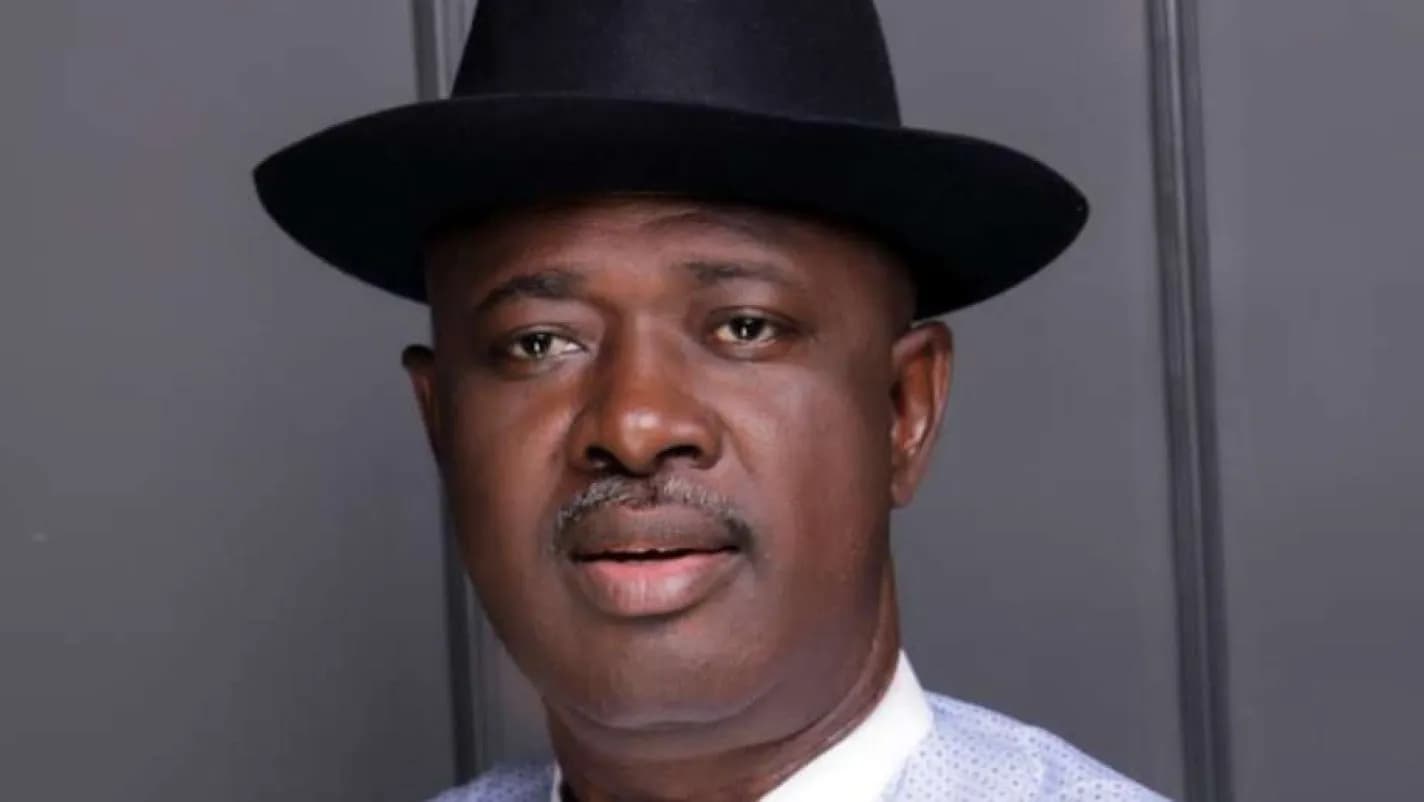
Nigeria is set to expand its oil production with a primary focus on the African market to meet the increasing demand across the continent. Dr Heineken Lokpobiri, the Minister of State for Petroleum (Oil), made this announcement on Tuesday at the 13th Practical Nigerian Content Forum in Yenagoa. The event, organised by the Nigerian Content Development and Monitoring Board (NCDMB), brought together stakeholders from the energy industry to discuss the country’s strategies for enhancing local content and oil production.
Speaking on the theme “Deepening the Next Frontier for Nigerian Content Implementation,” Dr Lokpobiri emphasised that Nigeria will continue its oil production, despite global calls for a shift away from fossil fuels. He pointed out that several major countries, including the UK and the US, are still actively involved in oil exploration and production, contradicting the calls for an immediate energy transition.
“The idea that we should stop producing fossil fuels while there are still markets for it is unrealistic,” said Dr Lokpobiri. “In 2023, the UK, which contributes 4.8% of global emissions, issued over 100 new licences for oil exploration, while the U.S. remains the world’s largest producer of fossil fuels. If these countries are not stopping production, why should Nigeria?”
He also stressed that Nigeria’s primary goal should be to increase its oil production to fill the “yawning gap” in Africa’s oil needs. According to Lokpobiri, West Africa alone has a significant demand for oil, and Nigeria is well-positioned to supply the region.
“Africa already has enough market demand for oil. Our biggest challenge, however, is securing the necessary funding to ramp up production,” Lokpobiri said. “If we can address this, we will be able to meet the needs of the entire African continent.”
The Minister of State for Petroleum (Gas), Obongemen Ekperikpe Ekpo, also addressed the forum, reinforcing Nigeria’s long-term energy strategy. He called on local businesses to invest in Compressed Natural Gas (CNG), as gas is expected to play a crucial role in Nigeria’s energy future post-energy transition. Ekpo stated that natural gas, in the form of CNG, is being positioned as the likely replacement for Premium Motor Spirit (PMS), commonly known as petrol, as part of efforts to shift away from petrol dependency.
“Gas is the future of Nigeria’s energy industry,” Ekpo remarked. “We are committed to providing local businesses with opportunities to engage in gas distribution, processing, and power generation. CNG will become a critical component of our energy mix, and we want our businesses to be at the forefront of this transition.”
Further addressing the issue of local content, Ekpo highlighted that the Nigerian government remains fully committed to advancing local content as a central pillar of the country’s energy strategy. The government’s goal is to create an energy industry that not only supports the national economy but also empowers Nigerians by creating jobs and opportunities in the sector.
Meanwhile, Felix Ogbe, Executive Secretary of the NCDMB, shared progress made by the board in advancing Nigerian Content levels within the oil and gas industry. According to Ogbe, the NCDMB has successfully raised the Nigerian Content level from 26% in 2016 to 56% in 2024. This progress includes significant achievements such as the commissioning of Amal Technologies in Idu, Abuja, and the Kwale Gas Gathering facility in Delta State.
Ogbe also mentioned that the board has approved 312 Nigerian Content Plans and issued 402 Nigerian Content Compliance Certificates (NCCCs) in the past year alone, demonstrating a strong commitment to monitoring and enforcing local content policies within the oil and gas sector.
“The increase in Nigerian Content levels reflects our commitment to fostering a sustainable and locally driven energy industry,” Ogbe stated. “These achievements not only contribute to the national economy but also ensure that Nigeria’s energy industry remains competitive on the global stage.”
In the broader context of Nigeria’s oil and gas sector, Dr Lokpobiri also discussed how the country is working to mitigate the challenges that often hinder growth in the sector, including issues related to funding, regulatory frameworks, and infrastructure. He acknowledged that while Nigeria has abundant natural resources, the key to unlocking its potential lies in strengthening partnerships with both local and international investors.