

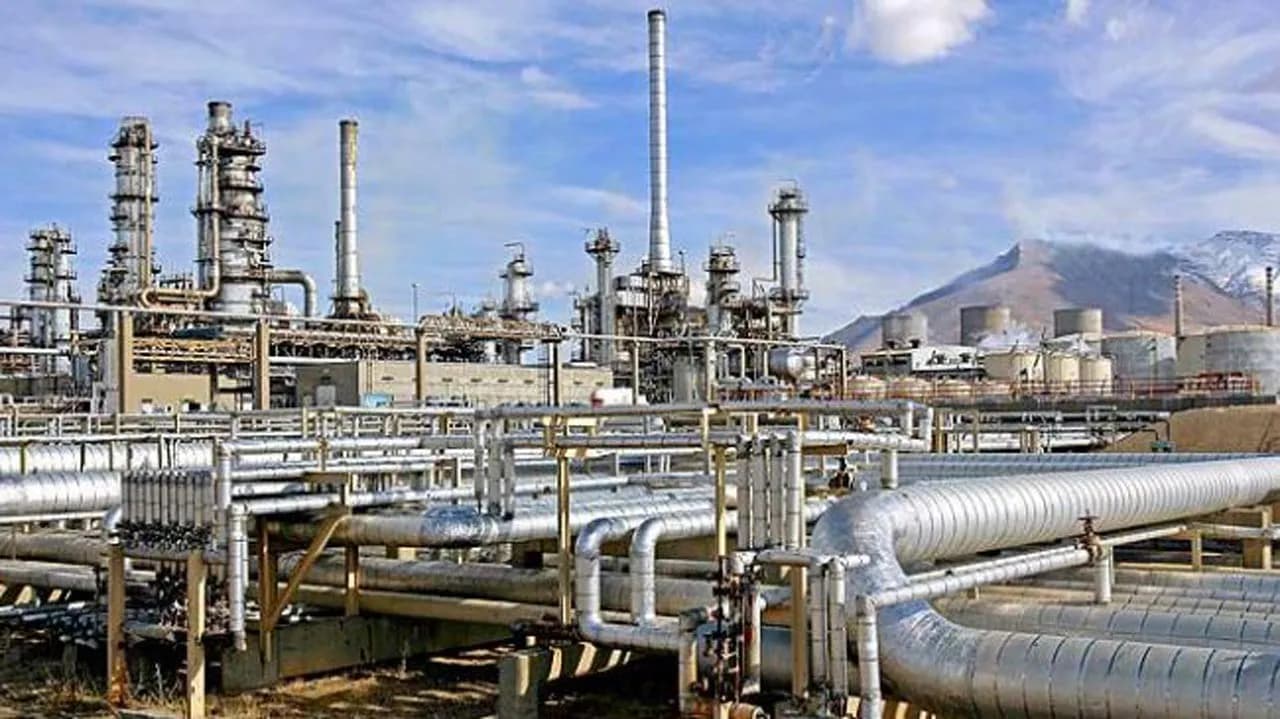
Fuel queues stretch for hours. Prices soar. For everyday Nigerians, the failure of the Nigerian refineries such as Warri and Port Harcourt refineries feels like betrayal. After billions spent on upgrades, both facilities lie idle or underperforming, and we’re left asking where did it all go wrong with the Nigerian refineries.
Warri Shuts Down Weeks After Restart
The Warri Refining and Petrochemical Company, reportedly operating in December 2024, shut down just a month later on 25 January 2025. The Nigerian Midstream and Downstream Petroleum Regulatory Authority cited safety faults in the main heater. This comes after a $897.6 million rehabilitation funded by public coffers.
Port Harcourt Falls Far Below Capacity
Port Harcourt’s case isn’t better. Recommissioned in November 2024 after a $1.5 billion investment, the refinery has averaged only 37.87% of its capacity. At its peak, it hit 42.2% in January 2025. In April, it slumped to just 44.24 million litres in 13 days far below its potential.
Citizens Count the Cost
The economic pain is real. Transport fares are up. Cooking gas is a luxury. Small businesses relying on diesel generators struggle to survive. Families like mine face the daily grind of managing budgets ruined by fuel costs.
My cousin, a long-distance driver, now parks his truck more often than he drives. My sister, a nurse, spends half her salary commuting. These are not just statistics. They are stories of survival in a country rich in resources, but poor in planning.
NNPCL Offers Silence, Not Solutions
The Nigerian National Petroleum Company Limited (NNPCL) has been less than transparent. Spokesman Femi Soneye declined to address refinery shutdowns. Previous claims of 70% operational capacity now appear misleading. Nigerians feel lied to.
Experts aren’t silent. Dan Kunle, a petroleum adviser, labelled the refinery projects “a scandal” and criticised NNPCL’s former leadership for using media spin to mask failure. “No major project was ever completed,” he said. “It was political, not practical.”
A Call for Accountability, Not Apologies
Independent Petroleum Marketers Association leader Chief Chinedu Ukadike called for a state of emergency in the sector. He demanded accountability from those who managed the refurbishment projects. “People should be held responsible,” he stated.
One Private Refinery, One Nation’s Burden
With state owned refineries faltering, Nigeria now relies heavily on the Dangote Refinery. This centralised dependency is dangerous. Billions in public funds were meant to ensure energy self-sufficiency not reinforce monopoly.
President Bola Tinubu’s promise of “shared prosperity” rings hollow. For many, these failures symbolise a broader collapse of governance and integrity.
New Leadership, Old Expectations
The appointment of Bayo Ojulari as NNPCL’s new CEO offers a glimmer of hope. But Nigerians are cautious. Leadership alone won’t fix broken plants or rebuild public trust. We need action, not press conferences.
Our Voices Must Be Heard
We are not asking for miracles. We’re demanding transparency, accountability, and working refineries. If our leaders won’t act, we will continue to speak out because this is our country, and we deserve better.