

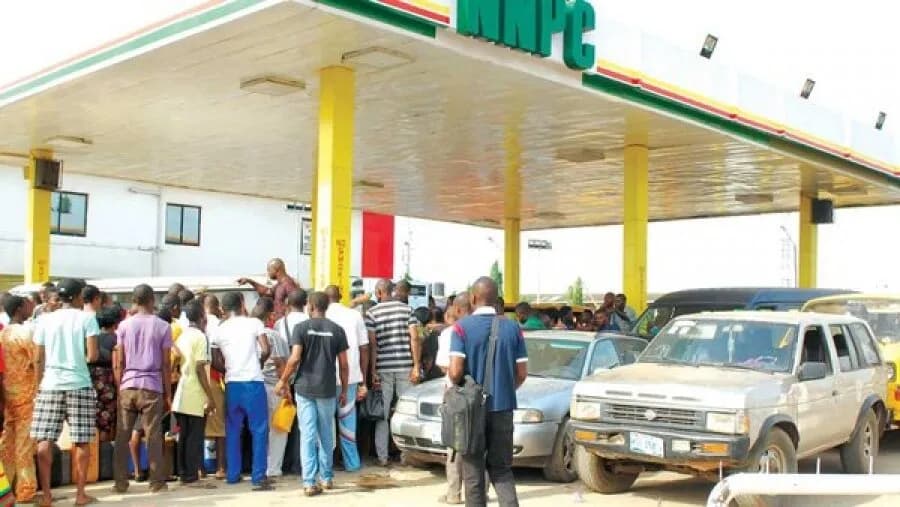
Nigerians across the six geopolitical zones are grappling with the latest fuel price hike as the Nigerian National Petroleum Company Limited (NNPCL) raised petrol prices to a record ₦998 per litre. The price increase, which took effect this week, is a direct result of the ongoing removal of fuel subsidies and volatile global crude oil prices. For many Nigerians, the hike is yet another blow, compounding economic hardship as the cost of living continues to spiral out of control.
The federal government has defended the increase, stating that the removal of subsidies is necessary for economic stabilisation and long-term growth. However, the immediate impact on everyday Nigerians has been harsh, with transport costs, food prices, and energy expenses soaring. This latest price adjustment has further deepened the plight of citizens across the country’s geopolitical zones, where regional disparities in infrastructure, security, and access to fuel have created uneven burdens.
Fuel Prices by Geopolitical Zone
The NNPCL’s official price of ₦998 per litre has been felt across all regions, but logistical challenges and local economic conditions have driven prices higher in some zones.
In the North East, residents face some of the country’s highest fuel costs, with prices exceeding ₦1,050 per litre in states like Borno and Yobe. The region’s poor infrastructure, coupled with ongoing insecurity due to insurgent activities, has made it difficult to transport fuel, leading to inflated prices. In these states, the cost of fuel is pushing residents to make tough decisions about how to allocate their limited resources, with many cutting back on essential services like transportation and food.
In the North West, including Kaduna, Kano, Zamfara and Sokoto, fuel prices are averaging ₦1,030 per litre. Here, the supply chain struggles are further complicated by long queues at filling stations, where residents often wait hours to purchase fuel. The region’s dependence on road transport has amplified the economic strain, as fares for public transport have more than doubled. Workers, traders, and students are struggling to afford daily commutes, further dampening economic activity.
The North Central zone, which includes Abuja, is seeing prices that range from ₦1,100 to ₦1,200 per litre. Although fuel is more readily available in the Federal Capital Territory, the price hike has had a ripple effect on the local economy. In Abuja, taxi fares have surged, and residents report that prices for food, household items, and other essentials have increased dramatically. Small business owners, many of whom rely on petrol generators to cope with erratic power supply, are being forced to raise their prices, squeezing consumers even further.
In the South West, fuel prices remain closer to the national average, with residents in Lagos, Ogun, and Oyo states paying around ₦998 per litre. However, despite Lagos’ role as the country’s commercial hub and its proximity to major ports, the hike is having a severe impact on businesses and households. With frequent power outages, many businesses depend on fuel-powered generators to operate, and the increased cost of petrol has driven up the cost of goods and services. Traders in local markets and street vendors, who often work on razor-thin margins, are finding it increasingly difficult to stay afloat.
In the South East, prices have climbed to between ₦1,500 and ₦1,600 per litre, with residents of Anambra, Abia, and Imo particularly hard-hit. The region’s economic activity, which is heavily reliant on small and medium enterprises (SMEs), has been severely affected as transport costs continue to rise. Many business owners have reported a sharp decline in customer numbers, as rising transport fares and the cost of goods drive consumers to cut back on spending. The fuel price hike has also led to increases in the cost of raw materials, further squeezing profit margins.
In the oil-producing South South, residents are paying slightly less, with prices hovering around ₦1,400 to ₦1,500 per litre. Despite being home to Nigeria’s vast crude oil reserves, states like Rivers, Delta, and Bayelsa are still feeling the effects of the hike, as the cost of transportation and other basic services continues to rise. Local residents have expressed frustration that, despite being so close to the country’s oil production centres, they are not benefitting from lower fuel costs. The region has also seen an uptick in protests, as citizens question the government’s handling of the fuel subsidy removal and its impact on the local economy.
Nigerians Grapple with Rising Costs
For millions of Nigerians, the removal of fuel subsidies and the latest price increase to ₦998 per litre has intensified an already dire economic situation. Inflation, which has surged to over 25%, is eroding purchasing power, and the steep rise in fuel costs is only making matters worse.
Abdulrahman Musa, a bus driver in Maiduguri, expressed his frustration with the constant fuel price hikes: “I used to spend ₦6,000 on fuel a day. Now it’s ₦12,000. I’ve had to increase fares, but passengers are complaining. Some days I barely make enough to cover the cost of fuel.”
In Lagos, small business owners like Funmi Ojo, who runs a tailoring shop, are struggling to keep their businesses afloat. “I rely on a generator because electricity is not stable. With the new fuel prices, I’m spending so much on petrol that I’ve had to increase my prices. But many customers are going elsewhere because they can’t afford it,” she said.
Students, workers, and families across Nigeria are feeling the strain. Adekemi Johnson, a student in Ibadan, said she is considering deferring her university studies because of the rising cost of transport. “My parents can’t keep giving me money for transport. I used to spend ₦300 to get to school; now it’s nearly ₦1,000. It’s too much,” she explained.
Government Response and Calls for Relief
Despite the public outcry, the federal government has defended the removal of fuel subsidies and the subsequent price hikes. The NNPCL and government officials maintain that the increases reflect global oil market conditions and are necessary for Nigeria to remain competitive. However, critics argue that the government has failed to introduce adequate social protection measures to shield ordinary Nigerians from the effects of the hikes.
Economists and labour unions have called for targeted interventions, such as cash transfers or fuel vouchers for low-income households. Dr Aisha Bello, an economist at the University of Abuja, warned that the government must act quickly to provide relief to those most affected. “The government needs to introduce immediate measures to cushion the impact of these price hikes. Without intervention, the economic pressure will continue to mount, potentially leading to widespread protests and unrest,” she said.
The Nigeria Labour Congress (NLC) has also voiced its discontent, threatening to embark on nationwide strikes if the government does not address the rising cost of living. “The burden of these economic reforms should not fall solely on the shoulders of Nigerian workers. We demand immediate relief measures,” said NLC President Joe Ajaero.
The Road Ahead: A Tough Journey for Nigerians
As the price of fuel reaches ₦998 per litre, Nigerians are being forced to navigate an increasingly difficult economic landscape. While the government argues that the removal of subsidies is necessary for the long-term health of the economy, the short-term pain is being felt most acutely by those already living on the edge.
The road ahead remains uncertain. With inflation continuing to rise and no immediate relief in sight, millions of Nigerians are left grappling with how to survive in a country where the cost of living is rapidly becoming untenable. Whether the government will heed the calls for intervention remains to be seen, but for now, Nigerians are facing an uphill battle against rising fuel prices and economic hardship.