

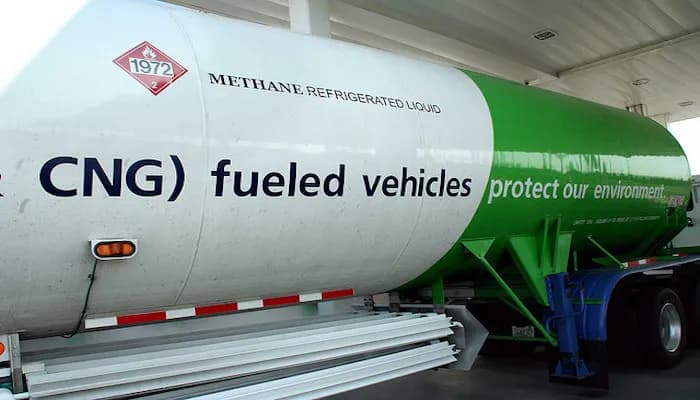
In the wake of the removal of the petrol subsidy, Nigerian motorists are increasingly turning to compressed natural gas (CNG) as a cheaper alternative to premium motor spirit (PMS). With petrol prices now exceeding ₦1,000 per litre, the adoption of CNG is on the rise, but the scarcity of refuelling stations is causing significant challenges.
As part of its efforts to mitigate the impact of the petrol subsidy removal, the Nigerian government has launched the Presidential Compressed Natural Gas Initiative, aimed at encouraging the transition to CNG. According to Otega Ogura, Senior Special Assistant to the President on Digital Media, the government has made substantial investments to promote CNG as an alternative energy source. The initiative is intended to make CNG adoption seamless for Nigerians, providing relief from the surging cost of petrol.
However, despite these efforts, motorists are facing mounting difficulties due to the limited number of CNG filling stations across the country. In the capital city, Abuja, only two stations located in Lugbe and Kubwa are currently operational, leaving drivers queuing for hours to refuel. Motorists have expressed frustration at the lack of infrastructure, which is preventing many from fully transitioning to CNG.
The affordability of CNG has been a major factor in its rising popularity. Car owners interviewed at refuelling stations confirmed that using CNG has helped them manage the high costs associated with petrol. However, with so few refuelling points available, many are reconsidering whether the switch is truly sustainable in the long term.
Moreover, the rising cost of transportation has become a pressing concern. Dr Garba Bawa, an engineer who operates a CNG conversion plant in Abuja, explained that despite government-backed initiatives offering free CNG conversions for public transport vehicles, many drivers continue to charge fares comparable to petrol-powered vehicles. Road transport unions have begun penalising members who exploit this discrepancy, yet the impact on commuters remains a major issue.
As more Nigerians convert their vehicles to CNG, experts are calling for urgent investment in infrastructure. The limited availability of refuelling stations and the unregulated transport fares are key barriers to wider CNG adoption. While the government’s initiative marks a significant step towards energy diversification, greater access to CNG stations is essential to ensure its long-term success.
For now, Nigerian motorists wait in long queues at CNG stations, hoping that the growing demand for alternative fuel will soon lead to more infrastructure and reduced transportation costs.