

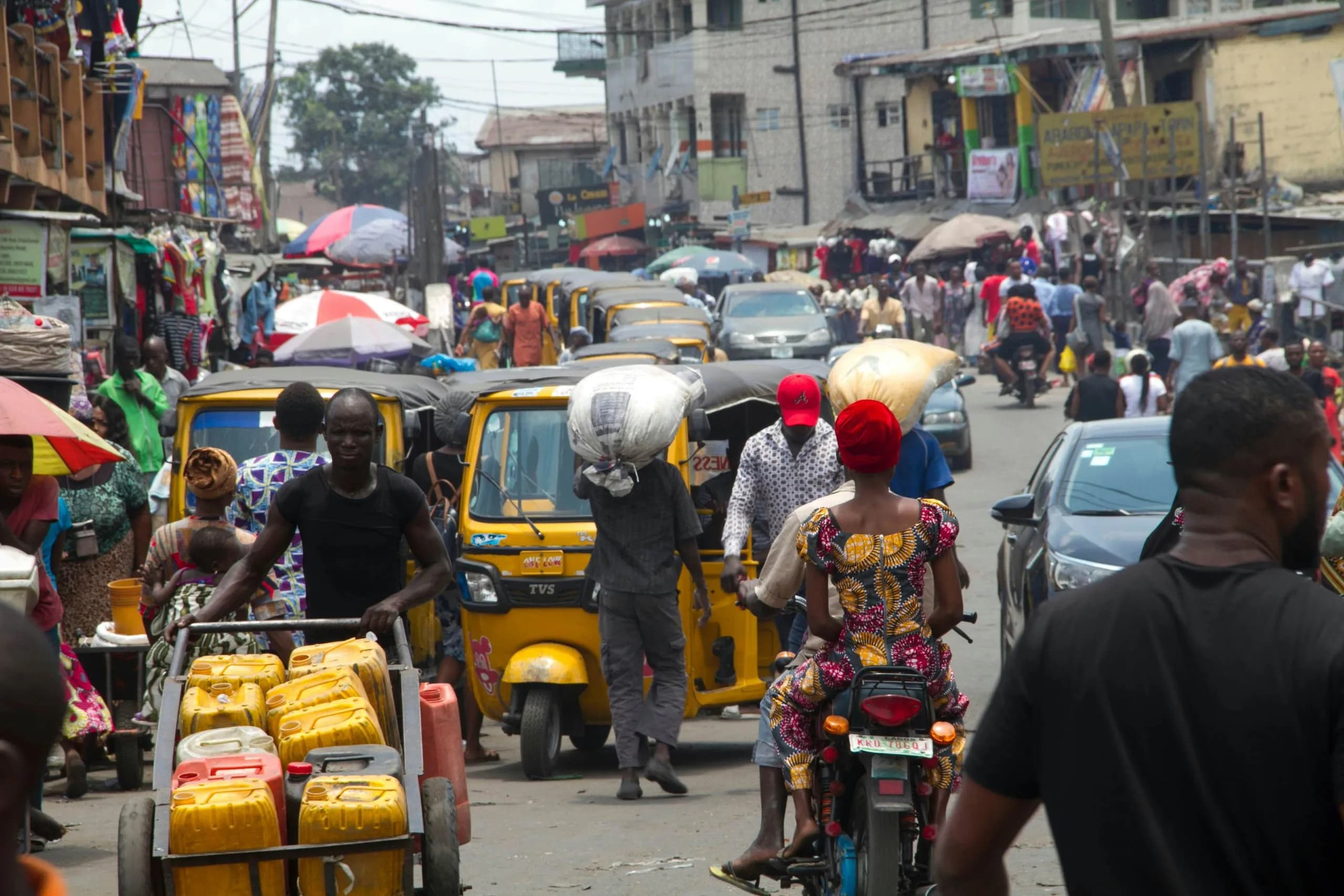
In Nigeria, households allocate 9% of their income on fuel-related expenses, encompassing both transportation and electricity generation. This financial commitment has profound implications for the economic well-being of citizens, especially in light of recent fuel price increases.
Household Income Overview
As of the fourth quarter of 2023, Nigeria’s disposable personal income stood at approximately ₦22.95 trillion. With an estimated population of 223 million, this translates to an average disposable income of about ₦102,935 per person monthly.
Transportation Costs
Transportation is a significant expenditure for Nigerian households. According to the National Bureau of Statistics (NBS), households spent a total of ₦2.02 trillion on fuel and electricity in 2019.
This figure has likely increased due to recent fuel price hikes. In October 2024, the Nigerian National Petroleum Company (NNPCL) raised petrol prices to approximately ₦998 per litre in Lagos and ₦1,500 per litre in the South-South region.
Consequently, some Nigerians now allocate up to 70% of their salaries to transportation costs, leading many to resign from their jobs due to unaffordable commuting expenses.
Electricity Generation
Due to unreliable power supply, over 40% of Nigerian households rely on generators for electricity, spending approximately ₦10.5 trillion annually on fuel for these generators.
This expenditure translates to a significant portion of household incomes, especially considering the additional costs of generator maintenance. A recent report highlights that Nigerians spend around ₦7.5 trillion annually on petrol and generator maintenance, underscoring the financial burden of self-generated electricity.
Economic Implications
The substantial allocation of income to fuel expenses reduces disposable income available for other essential needs, such as healthcare, education, and savings. This financial strain is particularly pronounced among low-income households, exacerbating economic inequalities and hindering overall economic growth.
The significant percentage of income that Nigerians spend on fuel underscores the critical need for sustainable energy solutions and efficient public transportation systems. Addressing these challenges is essential to alleviate the financial burdens on households and promote economic stability in the country.