

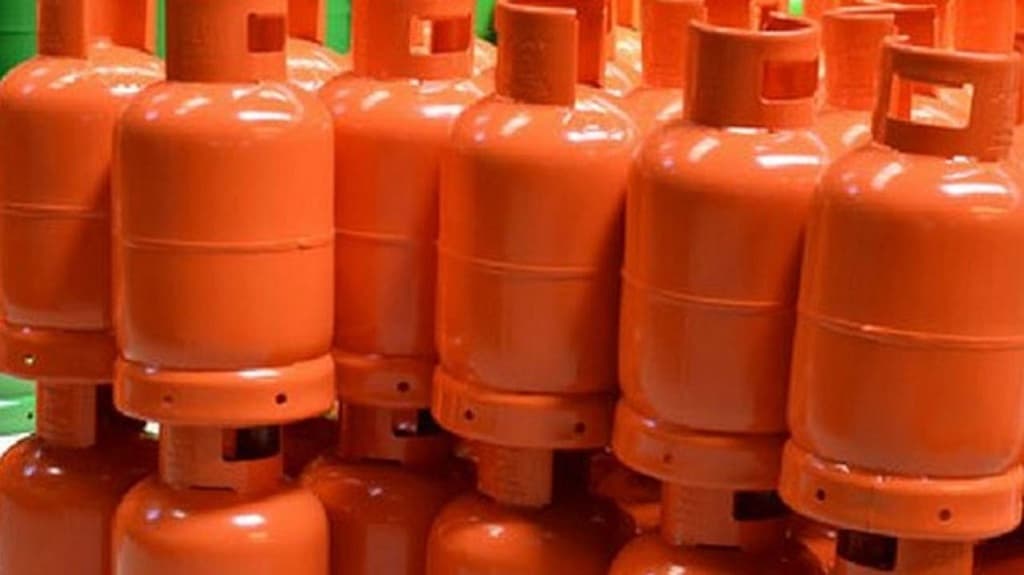
Nigeria's daily cooking gas consumption rose by 8 per cent in September 2026, even as the country's liquefied petroleum gas (LPG) stock cover remained below the regulatory benchmark, highlighting the pressure of rising demand on available supplies.
Data from the Nigerian Midstream and Downstream Petroleum Regulatory Authority's (NMDPRA) September 2026 factsheet showed that LPG consumption increased to 5.2 kilotonnes per day from 4.8 kilotonnes recorded in August.
The September figure exceeded the regulator's daily demand benchmark of 3.9 kilotonnes by 1.3 kilotonnes, representing consumption approximately 33.3 per cent above the benchmark.
Petroleumprice.ng gathered that the increase in consumption coincided with a 9 per cent rise in total LPG receipts, which climbed to 4.7 kilotonnes per day from 4.3 kilotonnes in August.
However, daily consumption remained above recorded receipts, with the difference standing at approximately 0.5 kilotonnes, or 500 tonnes, per day.
The development comes as domestic sources account for a growing share of Nigeria's cooking gas supply, while imported volumes have declined sharply.
According to the NMDPRA report, domestic LPG receipts rose by 50 per cent to 4.5 kilotonnes per day in September from 3.0 kilotonnes in August. Imported receipts, meanwhile, fell by 85 per cent to 0.2 kilotonnes per day from 1.3 kilotonnes.
Domestic sources consequently accounted for approximately 96 per cent of total LPG receipts during the month, compared with about 70 per cent in August.
The figures indicate a substantial shift towards locally sourced cooking gas. However, the increase in domestic receipts did not eliminate the difference between daily consumption and incoming supply.
The regulator's stock sufficiency data showed that Nigeria had 15.9 days of LPG consumption covered by available stocks in September, against the required 30-day threshold. This left the country 14.1 days below the benchmark.
The stock position underscores the distinction between rising domestic supply and the availability of sufficient inventories to provide a buffer against disruptions or changes in demand.
The report does not, however, establish that the lower stock cover resulted in a nationwide cooking gas shortage.
Nigeria's September LPG supply was largely supported by deliveries from domestic gas processing facilities and refineries.
The factsheet identified deliveries from Nigeria LNG Limited and Seplat Exploration and Production Nigeria Unlimited through vessels as the largest source, contributing an average of 2.526 kilotonnes per day, equivalent to 54.3 per cent of total receipts.
Other gas processing plants supplied 1.229 kilotonnes per day, representing 26.4 per cent of receipts, while Dangote Petroleum Refinery contributed 0.701 kilotonnes per day, or 15.1 per cent.
Imports accounted for the remaining 0.193 kilotonnes per day, representing 4.2 per cent of total receipts.
The figures show that vessel deliveries from NLNG and Seplat's Nigerian unit remained central to the country's cooking gas supply, even as domestic refinery and processing plant contributions supported the market.
The increase in LPG consumption also occurred alongside rising consumption of other major petroleum products in September.
NMDPRA data showed that petrol consumption rose by 7 per cent to 44.4 million litres per day from 41.5 million litres in August. Diesel consumption increased by 1 per cent to 14.5 million litres per day, while aviation fuel consumption climbed by 7 per cent to 3.0 million litres daily.
Unlike petrol and diesel, whose total receipts declined during the month, LPG receipts increased, although the growth did not match the level of daily consumption.
The regulator's price data also showed differences in cooking gas retail prices across surveyed locations.
In September, the highest observed LPG retail price was ₦1,600 per kilogramme in Bauchi, while the lowest was ₦1,200 per kilogramme in Abuja. In Lagos, actual prices ranged from ₦1,250 to ₦1,400 per kilogramme.
NMDPRA noted that actual retail prices were below indicative prices in every state surveyed. It also attributed the moderation of LPG prices against international market volatility to stronger domestic receipts, which increased by 50 per cent between August and September.
The figures present a mixed picture of Nigeria's cooking gas market: consumption and domestic receipts increased, imports declined sharply, and locally sourced volumes accounted for almost all recorded receipts. Nevertheless, the country's LPG stock cover remained well below the regulator's 30-day benchmark.
The September data therefore highlight the importance of sustaining domestic supply while monitoring consumption and inventory levels as Nigeria's cooking gas market evolves.