

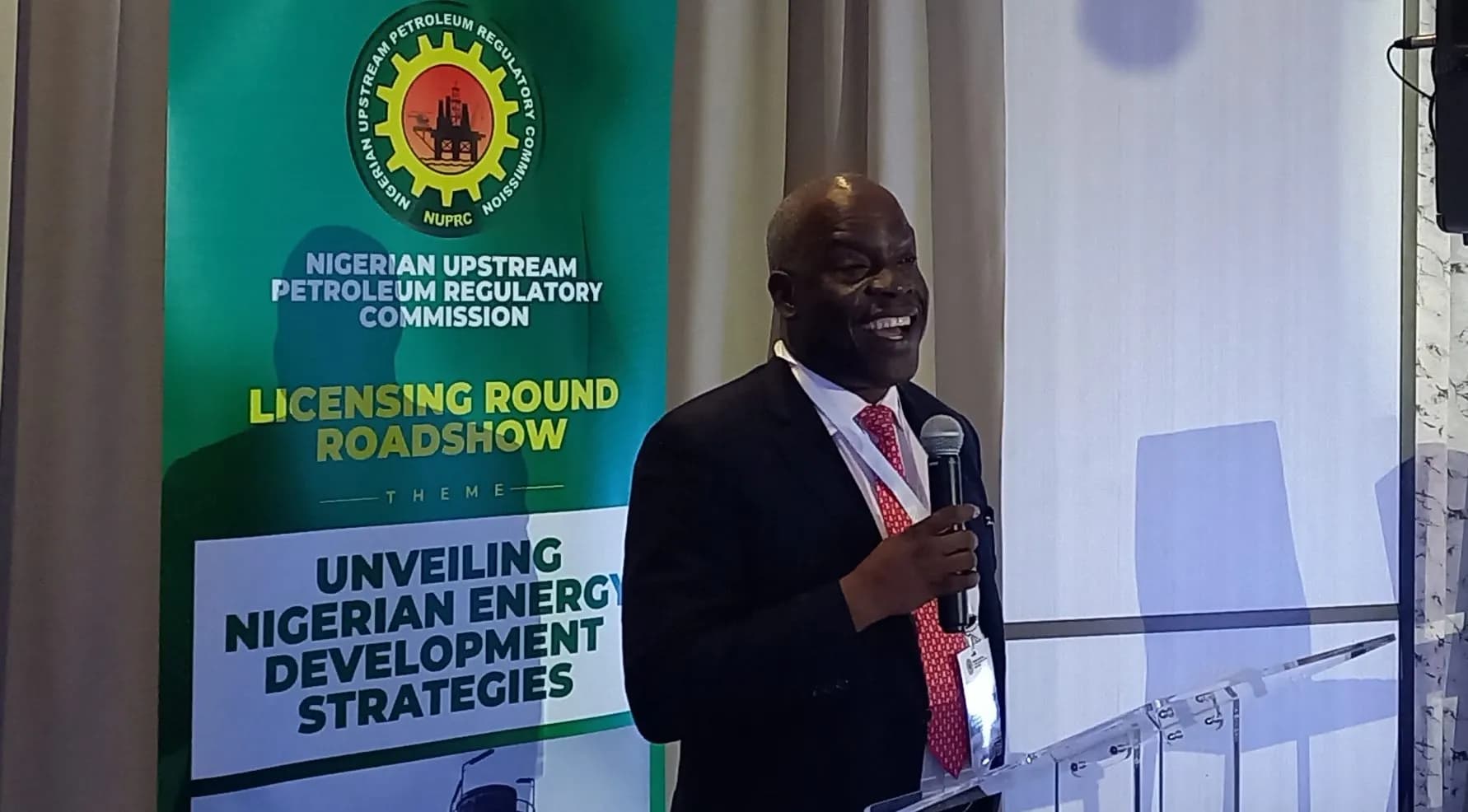
Nigeria’s crude oil reserves, estimated at 37.5 billion barrels, are expected to last for 70 years, while the country’s 209.26 trillion cubic feet of natural gas can sustain energy needs for 90 years. This was revealed by the head of the Nigerian Upstream Petroleum Regulatory Commission (NUPRC), Gbenga Komolafe, at the Decarbonisation and Energy Sustainability Forum in Abuja.
Balancing Energy Security and Environmental Goals
Speaking at the event, Komolafe emphasised the need for Nigeria to carefully balance its use of oil and gas while transitioning to cleaner energy sources. He urged stakeholders in the industry to collaborate in ensuring energy security, economic growth, and environmental protection.
He highlighted the impact of the Paris Agreement on global energy policies, noting that many countries have reduced investments in oil and gas as they focus on cleaner alternatives. However, he stressed that Nigeria must adopt a “just transition” approach one that prioritises economic growth while gradually reducing carbon emissions.
Nigeria’s Energy Future
Komolafe noted that global leaders at COP28 and COP29 agreed to triple renewable energy production by 2030. However, energy security remains a major concern, with the United States declaring an energy emergency for 2025.
To secure its energy future while aligning with global climate goals, Nigeria has implemented several initiatives, including the National Gas Policy (2017), the National Gas Expansion Programme (2021), the Decade of Gas Initiative (2030), the Presidential Compressed Natural Gas Initiative, and the Nigerian Gas Flare Commercialisation Programme.
Attracting Investment Through Decarbonisation
To support its clean energy goals, the NUPRC has established an Energy Sustainability and Carbon Management Department. This unit will focus on reducing gas flaring, cutting methane emissions, and promoting cleaner energy technologies.
Komolafe assured that Nigeria’s success in this transition will not depend on intentions alone but on real, measurable progress in reducing emissions, increasing efficiency, and unlocking opportunities in the carbon market. With these initiatives, Nigeria aims to maintain its position in the global energy market while securing a more sustainable future.