

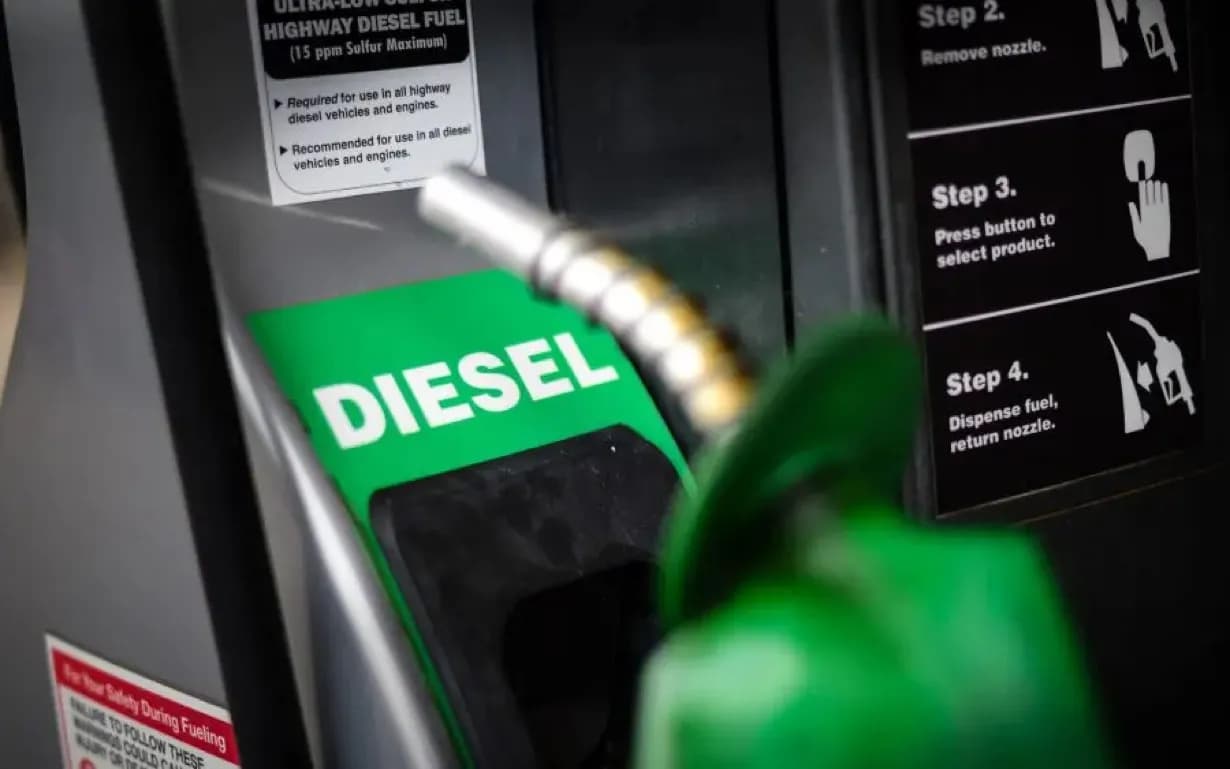
Nigeria is facing a steep rise in diesel prices, with rates now fluctuating between N1,200 and N1,500 per litre. This spike has imposed significant pressure on households and industries alike, many of whom rely on diesel as a primary power source due to Nigeria’s chronic electricity supply challenges. For numerous sectors, diesel is not merely an alternative fuel but a lifeline to keep businesses operational and households illuminated. However, these rising costs are adding a heavy financial burden, impacting both productivity and everyday life across the country.
The Financial Strain on Households
For Nigerian households, especially those that use diesel to power generators during frequent blackouts, the sharp increase in diesel prices has meant a recalibration of budgets. Families that were already grappling with inflation and the high cost of living now find themselves prioritising which essential services to keep running. In many cases, this translates to reduced generator use, even in homes where generators are essential during Nigeria’s prolonged blackouts.
A typical Nigerian family that once spent an average of N10,000 on diesel per month now has to budget upwards of N30,000 just to maintain the same level of power reliability. This increased expense leaves little room for other essentials, straining household budgets and compelling families to cut down on discretionary spending. Families in urban centres have been hardest hit, with alternative energy solutions like solar panels and inverters often costly and out of reach for most middle-income earners.
Industries Feel the Pressure of Escalating Diesel Costs
For industries, the impact is even more profound. Manufacturing plants, production facilities, and logistics companies all rely heavily on diesel-powered generators to sustain operations, given the unreliable national power grid. Diesel prices are now a major component of operational costs, with businesses needing to adapt or risk losing profitability.
Industries dependent on diesel generators have seen production costs rise dramatically. For example, small and medium-sized enterprises (SMEs), especially in manufacturing, are seeing their profit margins squeezed, forcing them to consider price hikes on their goods and services. This inevitably passes the cost down to consumers, fuelling inflation further. For industries like telecommunications, which rely on diesel generators to power towers and network infrastructure, there is growing concern that escalating fuel costs could lead to service disruptions and higher consumer prices.
The Impact on Nigeria’s Economic Competitiveness
Nigeria’s overreliance on diesel for power highlights the pressing need for energy diversification. The current price hike underscores the vulnerability of both small businesses and large industries to fuel price fluctuations, making it difficult for local companies to compete on an international scale. For a nation seeking to improve its manufacturing sector and reduce imports, such high energy costs make it challenging to achieve these goals.
In addition, the need for reliable, affordable power is crucial for attracting foreign investments. Industries hesitant to expand due to high operational costs deter foreign investors, who often seek stable power supply at lower rates when choosing where to invest. Without intervention, this reliance on high-cost diesel may continue to dampen Nigeria’s economic growth and its appeal to the global business community.
Seeking Solutions: Renewable Energy and Government Intervention
As diesel prices continue to rise, more industries and households are exploring renewable energy solutions, though the transition remains costly. Solar power systems, which have become more popular in recent years, can help reduce dependence on diesel. However, the high initial investment required for solar panels, batteries, and inverters is still a barrier for many Nigerians.
There are calls for government intervention to make diesel more affordable or to accelerate the development of alternative energy sources. Policies aimed at subsidising renewable energy solutions could provide relief to businesses and households alike. The federal government’s push towards Compressed Natural Gas (CNG) as a cheaper and cleaner alternative for vehicles and industrial use has been promising, but its implementation remains slow.
The surge in diesel prices to N1,200–N1,500 per litre has placed considerable pressure on both Nigerian households and industries. As families struggle to keep their homes powered and businesses contend with rising operational costs, the urgent need for a more sustainable and reliable power infrastructure becomes clearer. Transitioning from diesel reliance to more affordable, renewable energy sources will be critical to ensuring Nigeria’s economic resilience and its long-term prosperity.