

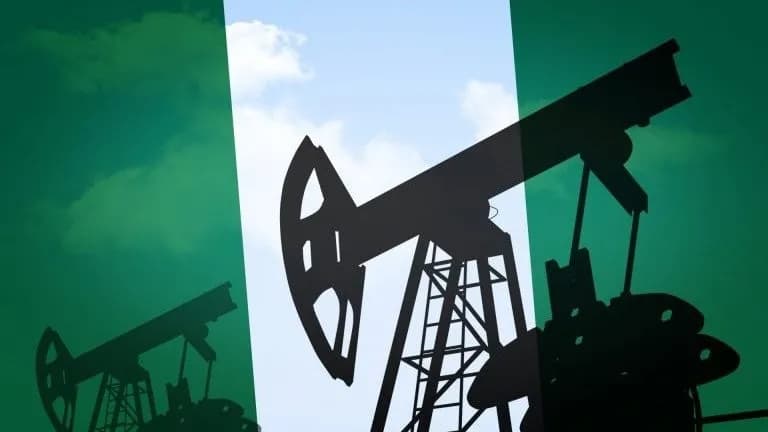
Nigeria stands at a pivotal crossroads in its energy evolution, caught between entrenched fossil fuel dependency and ambitious climate targets. As the government ramps up implementation of its Energy Transition Plan (ETP) originally launched in 2022 and updated in 2024 the path to net-zero emissions by 2060 is being paved with opportunities and complexity. For the country’s 200 million citizens, the shift to cleaner fuels represents more than environmental reform it touches on survival, affordability, and access.
Cleaner Fuels: A National Imperative Amid a Global Shift
Despite holding 37.5 billion barrels of proven oil reserves, Nigeria’s energy paradox remains unresolved: the nation is Africa’s top oil producer, yet 60–70% of its population still lacks reliable electricity, and over 970 million Africans, many of them Nigerian, cook with firewood, charcoal, and dung.
In 2023, Nigeria consumed nearly 20 million tonnes of refined petroleum products, with the transport sector accounting for 86%. According to the ETP, generator use contributes 70% of power-sector emissions, creating an urgent need for alternatives.
To tackle this, the government is doubling down on natural gas as a transitional fuel, while pushing for greater penetration of solar, hydropower, and wind. But while gas consumption rose to 21 bcm in 2023, renewables contributed just 13% of the energy mix far from the 30% target under the National Renewable Energy and Energy Efficiency Policy.
“Our power sector remains diesel-driven and grid-deficient. Until we displace gensets with decentralised solar and battery systems, emissions will keep rising,” said energy analyst Dr. Mariam Oyekan.
Customer Options: Shifting Preferences, Uneven Access
1. Cooking Fuels: The LPG Opportunity
For decades, kerosene dominated domestic cooking in Nigeria. But subsidy removals and a growing awareness of health risks especially reduced lung capacity from kerosene smoke have fuelled a gradual shift.
Liquefied Petroleum Gas (LPG) is now seen as a cleaner alternative. Urban adoption is rising, particularly in Lagos, where income and education levels correlate directly with LPG use. A 2018 Lagos study found most LPG users earned over ₦100,000 ($300) monthly.
Yet perceived safety risks and misinformation still deter many. “People think LPG is dangerous because of a few reported accidents, but most incidents are due to poor maintenance or expired cylinders,” noted Rhoda Tanko, a clean cooking advocate in Plateau State.
Grassroots initiatives like Solar Sister have sold over 4,500 improved stoves, allowing women like Tanko to reduce charcoal use by up to 75%. “Before, a bag of charcoal lasted one month. Now it lasts four,” she said, highlighting both economic and environmental benefits.
Despite these gains, electric cooking remains unviable for most households due to grid unreliability and exorbitant power rates ₦780/kWh ($0.52), among the highest globally.
2. Transport Fuels: Pushing CNG, Facing EV Hurdles
The transport sector is Nigeria’s biggest oil consumer and pollutant. In 2022 alone, it absorbed 86% of refined products. To curb emissions, the government is promoting Compressed Natural Gas (CNG) as a cleaner alternative.
In July 2025, authorities announced conversion subsidies targeting 1 million petrol and diesel vehicles by 2026. NIPCO Plc and other marketers are investing in CNG infrastructure, though adoption remains urban-centric due to infrastructure limitations.
“CNG could slash fuel costs by over 40% for consumers,” said NMDPRA’s downstream transition adviser, Aisha Musa. “But we need massive investment in refuelling stations, especially in northern and rural corridors.”
Electric vehicles (EVs), including e-buses, are also gaining policy attention. Lagos BRT corridors are considered pilot zones for electric fleets. But with only 2.8 GW of installed renewable capacity versus a 17 GW need by 2030 charging infrastructure remains inadequate.
3. Power Generation: Solar and Grid Alternatives
Over 75% of Nigeria’s rural population remains off-grid, while even urban areas suffer from erratic supply. Lagos alone operates 4.5 million small-scale diesel generators, which are responsible for over two-thirds of national power-sector emissions.
The solution? Distributed Solar Photovoltaic (PV) systems. Using tools like the Nigeria Integrated Energy Planning (IEP) model, the government is rolling out off-grid solar and storage projects.
Since 2015, Solar Sister has distributed over 48,000 solar kits, cutting lighting costs from 9% to 2% of household income. Meanwhile, hydropower, currently making up 18.2% of the energy mix, remains the leading renewable source, but its impact is stifled by poor grid evacuation and project delays.
The government’s 30:30:30 Vision adding 30 GW by 2030 with 30% from renewables is a step in the right direction, but execution lags.
Policy Landscape: Laws in Place, But Bottlenecks Remain
Nigeria’s Climate Change Act (2021) and Petroleum Industry Act (PIA, 2021) provide regulatory frameworks for energy reform. Yet, policy contradictions remain.
While the government deregulated PMS pricing and introduced private refining (e.g., Dangote Refinery), it still spends $3.9 billion annually on fossil fuel subsidies—a market distortion that favours petrol over cleaner alternatives.
The Major Energy Marketers Association of Nigeria (MEMAN) recently launched a downstream sustainability framework, pledging emission reductions and cleaner fuel supply. However, institutional bottlenecks persist.
“You can’t promote CNG and solar while funding diesel imports. It sends mixed signals to investors,” said Dr. Olumide Dada, policy fellow at the Africa Clean Energy Centre.
Barriers Holding Back Progress
The transition is marred by several structural and economic constraints:
- Affordability: With 60% of Nigerians living under the poverty line, cleaner fuels remain out of reach for many. A recent survey found that 62% of Nigerians oppose fuel subsidy removal due to affordability concerns.
- Weak Infrastructure: Inadequate EV charging stations, limited CNG refuelling points, and poor electricity access hinder clean fuel adoption.
- Public Awareness: Many rural dwellers still lack information on LPG safety or access to solar kits.
- Policy Incoherence: Investments in fossil fuel infrastructure persist alongside clean energy campaigns, creating policy dissonance.
Opportunities on the Horizon
Despite the roadblocks, Nigeria possesses unmatched potential:
- Solar Irradiation: With daily solar radiation of 5.5 kWh/m², Nigeria could lead Africa in decentralised solar solutions.
- Youth Workforce: The clean energy sector could create thousands of jobs in assembly, installation, and maintenance.
- Private Sector Support: Companies like Rensource Energy and Lumos Nigeria are already deploying solar home systems in low-income areas.
International support from development institutions and carbon market reforms could also bridge the funding gap for clean energy infrastructure and subsidy reforms.
The Road to COP30 and Beyond
As Nigeria heads toward COP30, its energy transition is under global scrutiny. With annual energy-related emissions at 88.6 million tonnes of CO₂e, the stakes are high.
Cleaner fuels like LPG, CNG, and solar are gaining momentum, but achieving national targets demands consistent policy implementation, investor clarity, and consumer empowerment.
Ultimately, Nigeria’s transition will not be dictated solely by policymakers but shaped by consumer behaviour, market dynamics, and global cooperation. The next five years will define whether Africa’s largest economy can successfully reconcile energy access with climate responsibility.
“It’s not just about reducing emissions,” said Dr. Dada. “It’s about giving every Nigerian a fair shot at clean, affordable energy.”
For updates on Nigeria’s energy sector, visit Petroleumprice.ng or subscribe to our weekly market digest.