

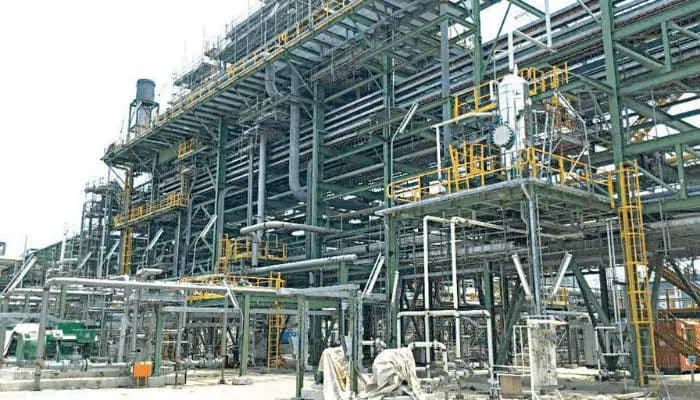
Nigeria’s “Naira for Crude” policy, aimed at strengthening the naira by selling crude oil to local refineries in naira, has stirred widespread debate. Intended to reduce dollar dependency, the policy has faced practical challenges, including inconsistent implementation and lack of transparency in the Nigerian National Petroleum Corporation’s (NNPC) financial practices. Economist Kelvin Emmanuel argues that NNPC’s unremitted profits and debts create accountability gaps, with some Senate members echoing these concerns.
The policy is expected to help Nigeria achieve energy independence by promoting domestic refining, which could reduce import reliance. However, critics argue that low oil output, high debt, and lack of enforcement undermine its potential. Emmanuel suggests a forensic audit of NNPC’s accounts to clarify crude allocations and revenue discrepancies, asserting that transparency is essential for the policy’s success.
Proponents believe the policy can stabilise fuel costs and support energy security, but without stronger production levels and governance, its impact may fall short. The “Naira for Crude” policy stands at a critical juncture, requiring government adherence to policy terms, improved local refinery capacities, and a commitment to economic reform to benefit Nigerian citizens.