

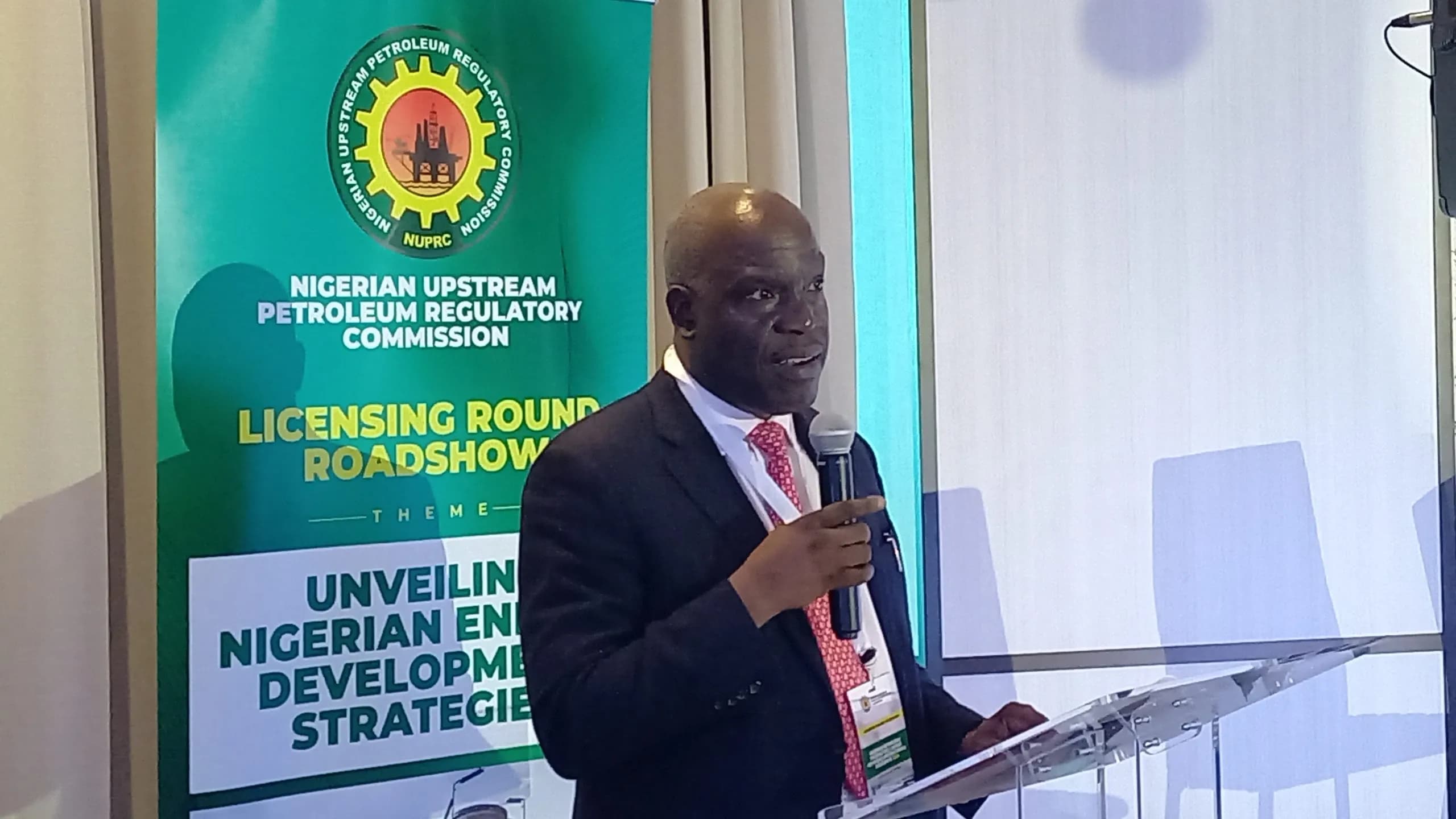
Nigeria’s oil reserves have taken a significant hit, declining by 50 billion barrels over the past 14 years due to limited exploration activities. The Nigerian Upstream Petroleum Regulatory Authority (NUPRC) revealed that the country’s reserves dropped from 38 billion barrels in 2008 to 37.5 billion barrels in 2023. This decline has also led to job losses among geological and geographical service firms, raising concerns about the future of Nigeria’s oil sector.
What Caused the Decline?
The NUPRC attributes this sharp drop to reduced exploration activities caused by a lack of investment from oil companies. Delays in passing the Petroleum Industry Bill (PIB), global economic disruptions like COVID-19, and divestments from major oil firms have worsened the situation.
While exploration activities picked up briefly in 2021 after the passage of the Petroleum Industry Act (PIA), momentum slowed again as companies shifted focus to other regions. The lack of sufficient drilling, data acquisition, and exploration of deeper reserves has left the sector vulnerable.
How Can Nigeria Boost Oil Reserves?
To address the decline, the NUPRC is urging oil companies to ramp up exploration efforts. Suggestions include drilling at least one new well annually and acquiring deeper seismic data to explore prospects beyond 15,000 feet. These steps aim to unlock untapped reserves and stabilise the sector.
31 Oil Blocks Up for Grabs
To attract foreign investments and revitalise the industry, the Federal Government has opened a licensing round for 31 oil blocks. According to NUPRC Chief Executive Gbenga Komolafe, this initiative is backed by the robust regulatory framework of the PIA and offers competitive incentives to investors.
Speaking at the Africa Oil Week Conference in Cape Town, Komolafe highlighted Nigeria’s untapped potential. The country boasts 37.5 billion barrels of crude oil reserves and 209.26 trillion cubic feet of natural gas. With an oil production capacity of 2.4 million barrels daily, Nigeria remains a significant player in the global energy market.
Why It Matters
Oil production is critical to Nigeria’s economy, but declining reserves and production challenges threaten the country’s standing in Africa and beyond. Once the leader in oil reserves on the continent, Nigeria has lost ground due to insufficient investment and operational inefficiencies.
To turn things around, the federal government is betting on transparency, regulatory stability, and strategic partnerships with investors. The 2024 licensing round presents a major opportunity to tap into Nigeria’s vast energy resources and secure its place as a global oil powerhouse.
With this renewed push, the government aims to ensure sustainable growth in its oil and gas industry while providing long-term benefits to the economy.