

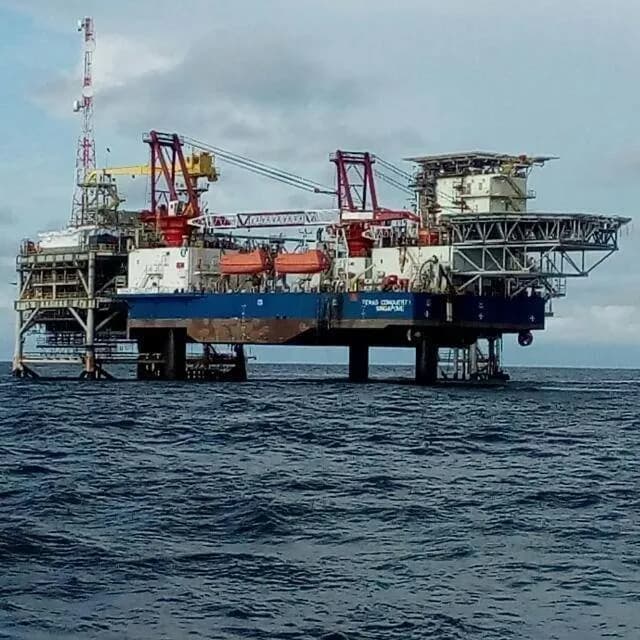
Nigeria’s upstream oil sector is gaining strong momentum, as the Nigerian Upstream Petroleum Regulatory Commission (NUPRC) confirms that the number of active oil rigs has surged to 44 up from 32 in May. The boost reflects intensified drilling activities driven by improved security and a reduction in crude theft, thanks to coordinated kinetic and non-kinetic interventions by the Federal Government.
This positive shift comes alongside a significant ₦326.51 billion disbursement to 145 Host Community Development Trusts (HCDTs), representing the mandatory 3% of oil and gas operators’ operational expenses as stipulated by the Petroleum Industry Act (PIA).
Upstream Investments Show Promise
Speaking at the ongoing NOG Energy Week 2025 in Abuja, NUPRC Chief Executive, Engr. Gbenga Komolafe, revealed that the recent approval of 28 Field Development Plans (FDPs) is set to push reserves by 1.4 billion barrels and boost daily production by 591 barrels per day. These FDPs cover 72 new development wells and 19 Extended Well Tests (EWTs), a clear indication that upstream activity is intensifying.
$1.5 Billion Targeted Under NGFCP
Komolafe also highlighted progress on the Nigerian Gas Flare Commercialisation Programme (NGFCP), projecting it will attract $1.5 billion in capital expenditure. So far, 49 flare sites have been awarded, with the first implementation milestone already completed. He stressed that the Commission will strictly enforce compliance, warning defaulters and non-performing awardees of regulatory sanctions.
Driving Towards Energy Abundance
Under the Project One Million Barrels Initiative, Nigeria is working to raise daily output from 1.46 million barrels to 2.5 million barrels per day by 2026. With current production at 1.7 million barrels per day, the strategy is already producing results.
Furthermore, Nigeria’s gas-based transition strategy anchored on the Decade of Gas, NGFCP, and the Presidential CNG Initiative is gaining traction. The country is targeting zero routine flaring by 2030, a 60% reduction in methane emissions by 2031, and large-scale commercialisation of gas reserves.
Environmental Reform and Carbon Market Push
In a bold climate shift, Nigeria has launched an Upstream Decarbonisation Framework, combining emissions monitoring, carbon capture, and financing through global carbon markets. Komolafe revealed that the country is now turning emissions into economic value, enabling new streams through carbon services and clean tech deployment.
“We are not just reforming policy; we are creating a new ecosystem of investment, technology, and sustainable growth,” Komolafe said, pointing to March 18 now being officially declared Nigeria’s Upstream Decarbonisation Day.
Regulatory Confidence Grows
Industry players are showing renewed interest in Nigeria’s oil and gas sector. With over $16 billion already committed since the introduction of Executive Orders 40 (fiscal incentives), 41 (local content), and 42 (contract timelines), Komolafe said the Petroleum Industry Act (PIA) has laid the groundwork for transparency, efficiency, and investor confidence.
As Nigeria positions itself for an energy-secure and climate-aligned future, the upstream sector is clearly pivoting toward sustainable and inclusive growth.