

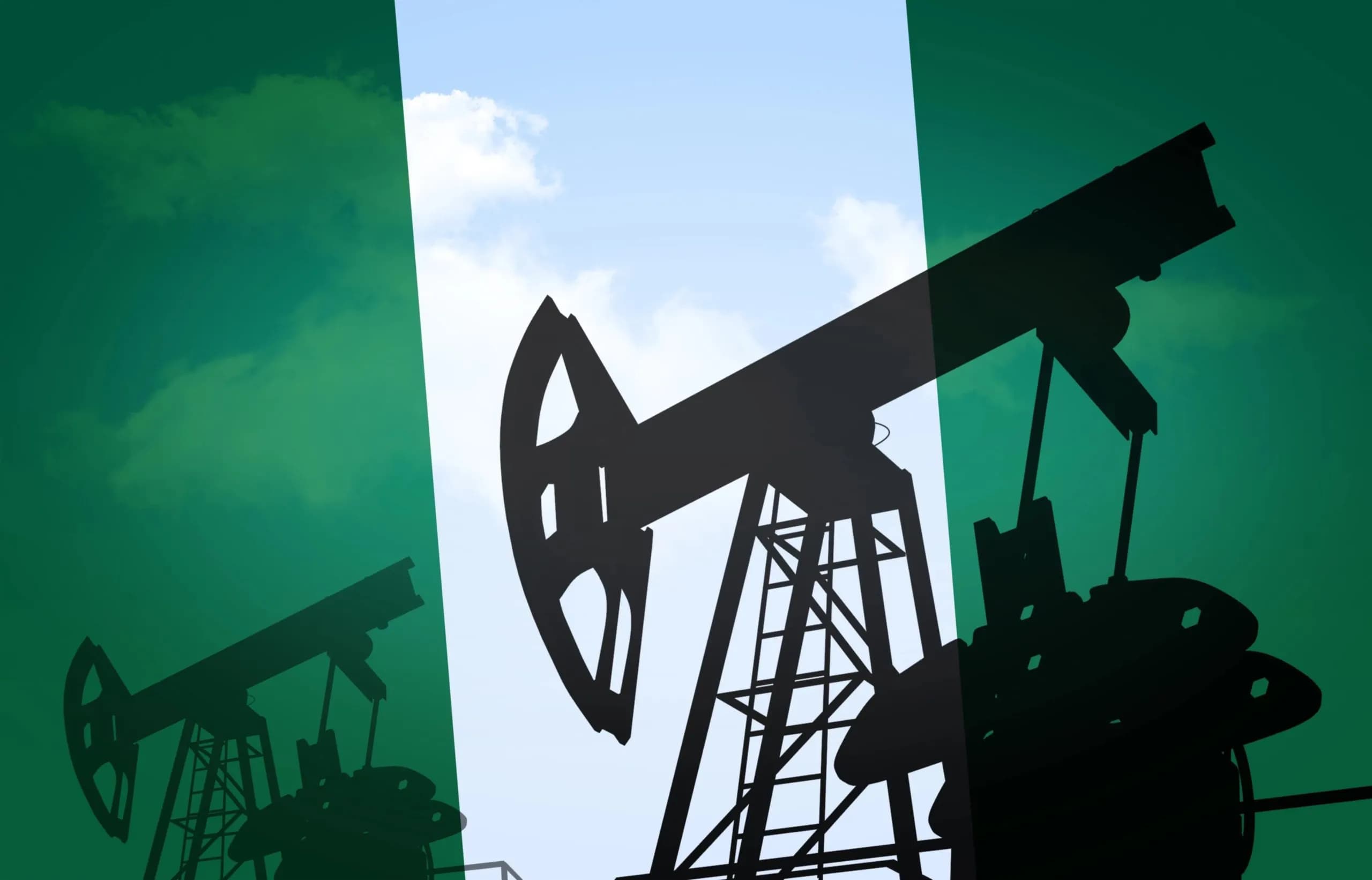
Nigeria, Africa’s largest oil producer, has long relied on crude oil production as a major driver of its economy. With recent efforts to boost oil production, including new investments, refinery developments, and government initiatives, the benefits are gradually trickling down to impact the everyday lives of Nigerians. From stabilising fuel prices to improving infrastructure and creating jobs, increased oil output holds significant implications for citizens across the country.
The State of Oil Production in Nigeria
Nigeria currently produces about 1.4 to 1.5 million barrels of crude oil per day (bpd), but this figure is set to rise as more oilfields come online and new facilities, such as the Dangote Refinery and the Okwok Oilfield’s Floating Production Storage and Offloading (FPSO) vessel, boost output. The federal government, through the Nigerian National Petroleum Company Limited (NNPCL), is implementing policies to meet and exceed the Organisation of Petroleum Exporting Countries’ (OPEC) production quota of 1.8 million bpd.
Additionally, collaborations with private oil companies and investments in new technology aim to ensure that Nigeria maximises its oil reserves, contributing to both national development and improved energy security.
Impact on Fuel Prices and Energy Supply
One of the most direct ways growing oil production affects Nigerians is through fuel availability and pricing. Although Nigeria produces crude oil, it has historically relied on importing refined petroleum products due to inadequate refining capacity. However, with the recent revival of the Port Harcourt Refinery and the Dangote Refinery’s expected output of 650,000 bpd, Nigeria is poised to refine more oil locally.
Increased local refining means less reliance on costly imports and reduced fuel costs for consumers. Lower petrol and diesel prices translate to cheaper transportation, which benefits both individuals and businesses. Traders and transporters who bear high fuel costs can pass savings down to consumers, making goods and services more affordable.
Job Creation and Economic Opportunities
Growing oil production generates employment opportunities across the value chain. From exploration and drilling to refining, transportation, and distribution, new oil projects provide thousands of direct and indirect jobs for Nigerians. Skilled and unskilled workers alike benefit from these opportunities, which help reduce the country’s unemployment rate.
For instance, the construction and operation of refineries, like the Dangote Refinery, have created tens of thousands of jobs for engineers, technicians, and labourers. In addition, ancillary industries, such as logistics, catering, and maintenance, experience a boost in business, creating a ripple effect of economic growth.
Improved Government Revenue and Infrastructure Development
Oil remains the backbone of Nigeria’s economy, contributing about 65% of government revenue and 90% of foreign exchange earnings. Increased production means more revenue for the government through taxes, royalties, and crude sales. With higher earnings, the government can invest in critical infrastructure projects, such as roads, hospitals, and schools, which directly improve the quality of life for citizens.
For example, improved road networks reduce transportation costs and travel times, enhancing trade and commerce. Investments in education and healthcare lead to better access to services for communities, addressing long-standing social challenges like high illiteracy and maternal mortality rates.
Strengthening the Naira and Reducing Inflation
Growing oil production helps stabilise Nigeria’s economy by boosting foreign exchange reserves. As oil exports increase, the country earns more US dollars, which helps strengthen the naira. A stronger currency reduces the cost of importing essential goods, such as food and medicine, lowering inflation and improving the purchasing power of Nigerians.
For instance, fuel price volatility, often linked to exchange rate fluctuations, can be better managed when Nigeria earns sufficient foreign exchange through oil exports. Stabilising fuel costs and overall inflation enables families to stretch their income further, improving their standard of living.
Energy Transition and Environmental Benefits
While crude oil production remains Nigeria’s economic mainstay, the government’s focus on gas as part of its ‘Decade of Gas’ initiative aligns with global energy transition goals. Increased oil production often comes with enhanced gas utilisation projects, reducing flaring and promoting cleaner energy options like Compressed Natural Gas (CNG) and Liquefied Natural Gas (LNG).
The adoption of CNG as an alternative to petrol has provided a more affordable and environmentally friendly fuel option for transporters and businesses. This benefits Nigerians directly by reducing energy costs while contributing to a cleaner environment.
Challenges and the Need for Transparency
Despite the benefits, growing oil production must be accompanied by improved transparency and accountability. Nigerians often question how oil revenues are managed, and corruption in the sector remains a concern. Ensuring that increased production leads to visible improvements in infrastructure, education, and healthcare will build trust and ensure the benefits are felt by all citizens.
Addressing issues such as oil theft, vandalism, and pipeline sabotage is also crucial. These challenges reduce production volumes, costing the government billions in lost revenue that could otherwise be invested in national development.
The rise in Nigeria’s crude oil production has far-reaching impacts on the lives of everyday Nigerians. From reducing fuel costs and creating jobs to boosting government revenue and strengthening the economy, increased output presents opportunities for positive change. With new refineries, expanded oilfields, and growing investments, Nigeria is on the path to energy security and economic stability.
However, ensuring that the benefits of oil production are equitably distributed remains vital. By addressing challenges such as corruption and infrastructure deficits, Nigeria can unlock the full potential of its oil industry and deliver sustainable improvements to the lives of its people. As the nation embraces its growing production capacity, a brighter future lies ahead for millions of Nigerians.