

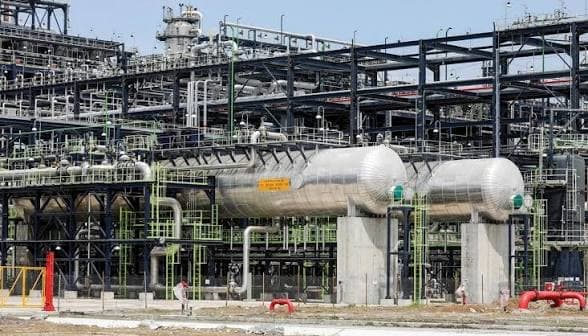
Nigeria’s local refining sector continues to grapple with crude supply shortfalls, as new data from the Nigerian Upstream Petroleum Regulatory Commission (NUPRC) shows that only 28.5 million barrels of crude oil were actually lifted by domestic refineries in the first quarter of 2026, out of 68.7 million barrels offered by producers.
According to the Commission, oil producers made 68.7 million barrels available under the Domestic Crude Supply Obligation (DCSO) framework, while 61.9 million barrels were allocated to local refiners within the period. However, actual lifting trailed far behind at 28.5 million barrels, translating to a conversion rate of about 36 to 46 per cent.
In its breakdown, the NUPRC noted that January recorded allocations of 22.6 million barrels, with producers offering 25.3 million barrels, but only 9.2 million barrels were delivered. In February, 20.5 million barrels were allocated, 19.8 million barrels offered, and 9.1 million barrels delivered. March saw a slight improvement, with 18.8 million barrels allocated, 23.6 million barrels offered, and 10.1 million barrels actually supplied.
The Commission attributed the persistent gap between volumes offered and actual deliveries largely to pricing disagreements between producers and domestic refiners, noting that transactions under the DCSO framework remain driven by “willing buyer, willing seller” arrangements. It added that while supply obligations are being met on paper, commercial realities continue to affect actual refinery intake across the country.