

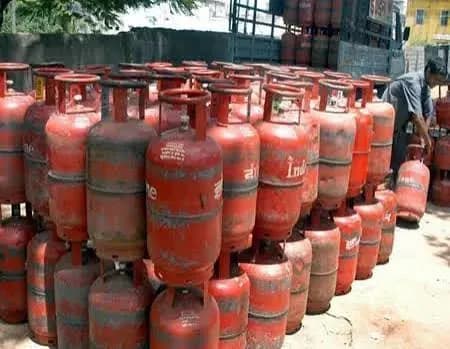
Nigeria is set to increase imports of Liquefied Petroleum Gas (LPG), commonly known as cooking gas, to address a projected supply deficit of 165,000 metric tonnes in the third quarter of 2026, as authorities move to prevent shortages and stabilise prices in the domestic market.
The Nigerian Midstream and Downstream Petroleum Regulatory Authority (NMDPRA) disclosed that the shortfall emerged from a widening gap between local demand and available supply. The regulator said immediate intervention became necessary to ensure adequate product availability across the country.
According to the authority, challenges ranging from supply constraints and infrastructure limitations to pricing inefficiencies and global market disruptions have continued to affect the LPG market. Rising tensions in international energy markets have also contributed to increased pressure on supply and pricing.
To address the deficit, the NMDPRA said it would accelerate the issuance of import permits and closely monitor approved import volumes to ensure cargoes are delivered into the Nigerian market. The regulator noted that imports would serve as a short-term solution while additional domestic supplies are expected from ongoing gas development projects.
As part of efforts to strengthen local availability, the authority also plans to redirect some LPG volumes currently exported from Nigeria into the domestic market. The measure is expected to increase supply and improve market balance at a time when cooking gas demand continues to rise.
The regulator further announced plans to review LPG lifting arrangements involving major suppliers, including Nigeria LNG Limited and the Nigerian National Petroleum Company Limited, with a view to improving distribution efficiency and ensuring products reach consumers at more competitive prices.
The intervention comes amid persistent increases in cooking gas prices across the country, forcing many households to spend more on clean cooking energy. Industry stakeholders have repeatedly identified inadequate infrastructure and supply bottlenecks as key obstacles to meeting growing domestic demand despite Nigeria's vast gas reserves.
Analysts say the planned imports and domestic supply measures could provide immediate relief to the market. However, they maintain that long-term stability will depend on sustained investments in gas processing, storage and distribution infrastructure, as well as policies that prioritise domestic utilisation of Nigeria's abundant natural gas resources.