

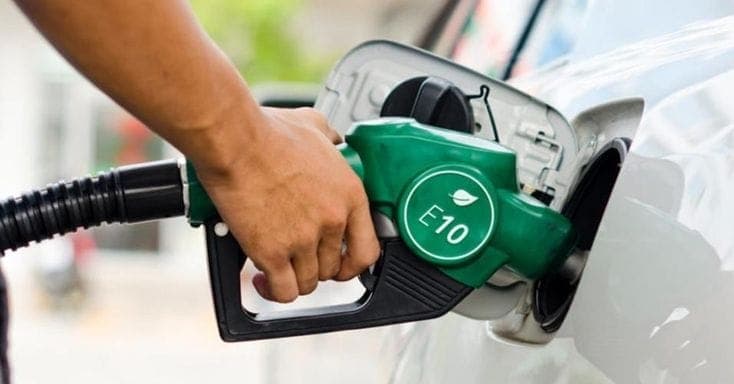
The Nigerian Midstream and Downstream Petroleum Regulatory Authority (NMDPRA) has stated that preparations for the national E10 pilot programme in Lagos and Abuja are in their final stages, with the scheme set to assess technical, operational, and regulatory readiness ahead of a wider rollout of ethanol-blended petrol.
This was disclosed by Dr Mustapha Lamorde, Executive Director, Health, Safety, Environment and Community (HSEC) at NMDPRA, who delivered the opening remarks on behalf of the Authority's Chief Executive at a workshop themed "From Farm to Fuel: Understanding the Ethanol-Blended Option," organised by the Major Energies Marketers Association of Nigeria (MEMAN) and the U.S. Grains and Bioproducts Council (USGBC) in Lagos.
Lamorde described E10, a blend containing 10 per cent ethanol, as a key component of Nigeria's clean energy transition, citing its potential to improve energy security, cut emissions and stimulate economic growth. He reaffirmed the regulator's commitment to working with industry stakeholders to ensure the safe implementation of ethanol-blended petrol in the country.
USGBC's Rowena Torres-Ordonez, in two presentations at the event, said analyses show ethanol-blended fuel could lower fuel costs by about ₦70 per litre under certain scenarios. She also addressed concerns around vehicle compatibility, citing research and official positions from the United States and Brazil, both mature biofuel markets, to argue that virtually all vehicles manufactured after 2000 are compatible with E10 and do not require modification.
Other presentations at the workshop examined Nigeria's cassava supply chain as a feedstock base for bioethanol. Dr Sunny Ameh of the International Institute of Tropical Agriculture's Business Incubation Platform highlighted Nigeria's comparative advantage in cassava cultivation, while pointing to perishability, weak storage infrastructure, and fragmented smallholder farming as constraints on feedstock aggregation. Engr. Michael Mallo of COMAFAS presented a farmer aggregation platform that organises growers into structured networks and uses digital tools to predict flooding and monitor security risks, with a focus on youth and women in the value chain.
MEMAN Executive Secretary and CEO, Clement Isong, said Nigeria currently produces about 150 million litres of ethanol annually, far below the estimated 2 billion litres required to sustain a nationwide E10 rollout. He linked the shortfall to weaknesses in the cassava supply chain, noting that about 40 per cent of the country's cassava harvest is lost after harvest each year, largely because of the high cost of transporting the water-heavy crop over long distances to processing facilities. He called for more processing plants to be located closer to cassava-growing regions and urged the media to help create awareness that would drive demand and encourage increased cassava production.
The workshop concluded with remarks from USGBC Regional Director for Europe, the Middle East and Africa, Ramy Taieb, who thanked NMDPRA, MEMAN, the Standards Organisation of Nigeria and cassava farmers' associations for supporting the initiative. It also featured a fireside chat with Dory Chamoun of Unikem Industries, who discussed Nigeria's existing ethanol production capacity, market trends and the investment required to meet demand under a future nationwide E10 blending programme.