

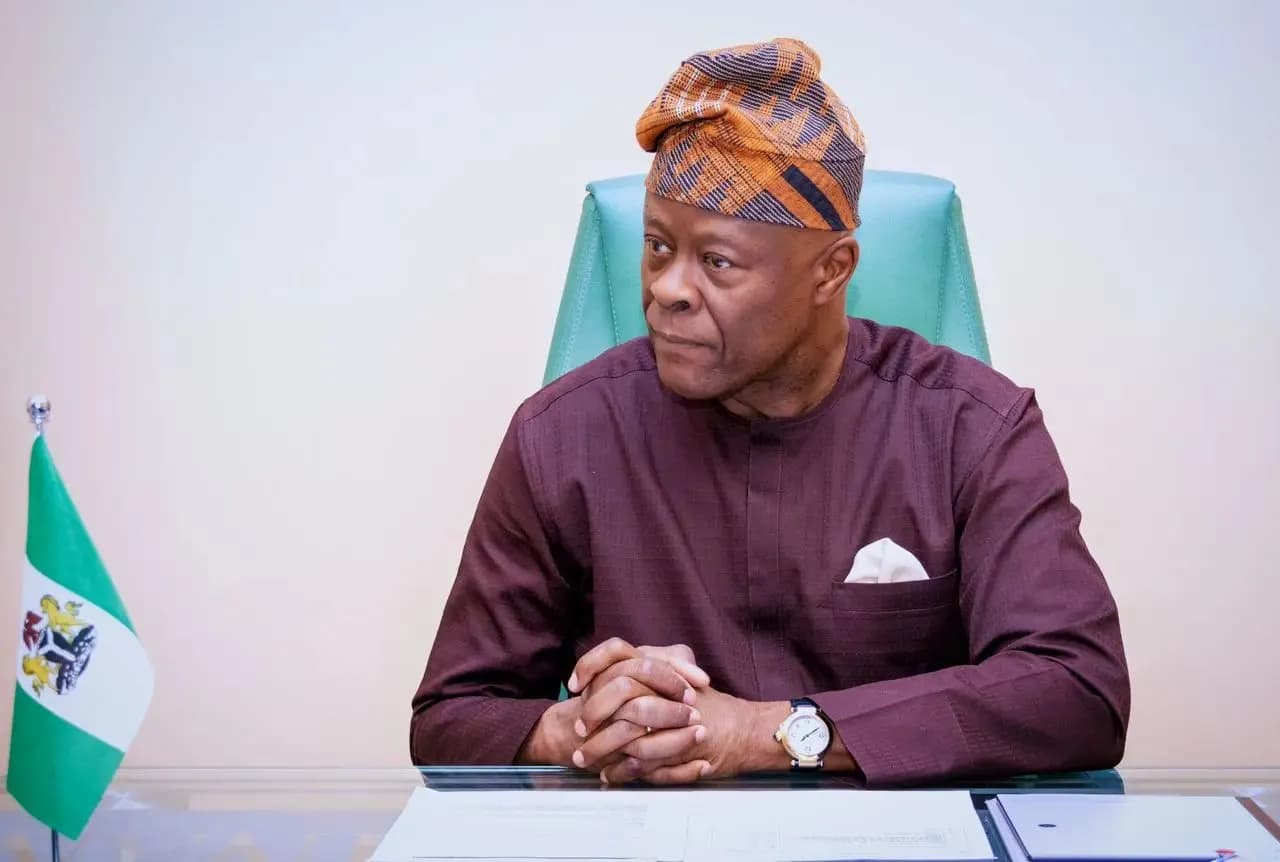
The Nigerian National Petroleum Company Limited (NNPCL) has officially commenced payments of its $6 billion debt to suppliers, according to Finance Minister and Coordinating Minister for the Economy, Wale Edun.
In a recent address, Edun noted that while the removal of fuel subsidies in May 2023 eased government accounts, NNPCL has continued to experience financial strain due to its substantial outstanding supplier obligations. He further explained that these challenges have been intensified by foreign exchange rate fluctuations, which have added to NNPCL’s costs.
“Regarding NNPCL, although the petrol subsidy was removed as of May 29, 2023, an indirect cost continued to emerge through foreign exchange pressures, predominantly impacting NNPCL,” Edun stated during a meeting with investors in Washington, D.C., on October 23.
The minister expressed optimism that NNPCL would soon recover financially, adding, “With the measures they’re taking, I believe NNPCL now has a route to settle these payables, and from what I understand, they have already started.”
NNPCL’s Ongoing Financial Strain and Supplier Debt
In September, NNPCL confirmed its $6 billion debt to suppliers of premium motor spirit (PMS), also known as petrol. This debt has resulted in significant financial challenges, affecting the company’s capacity to sustain the steady supply of PMS across Nigeria.
Olufemi Soneye, NNPCL’s Chief Corporate Communications Officer, noted that the costs of maintaining fuel supply amid high foreign exchange expenses have placed considerable strain on the company’s finances.
With NNPCL’s phased repayment plan now underway, the move signals a proactive step towards stabilising the company’s financial health and maintaining fuel supply.