

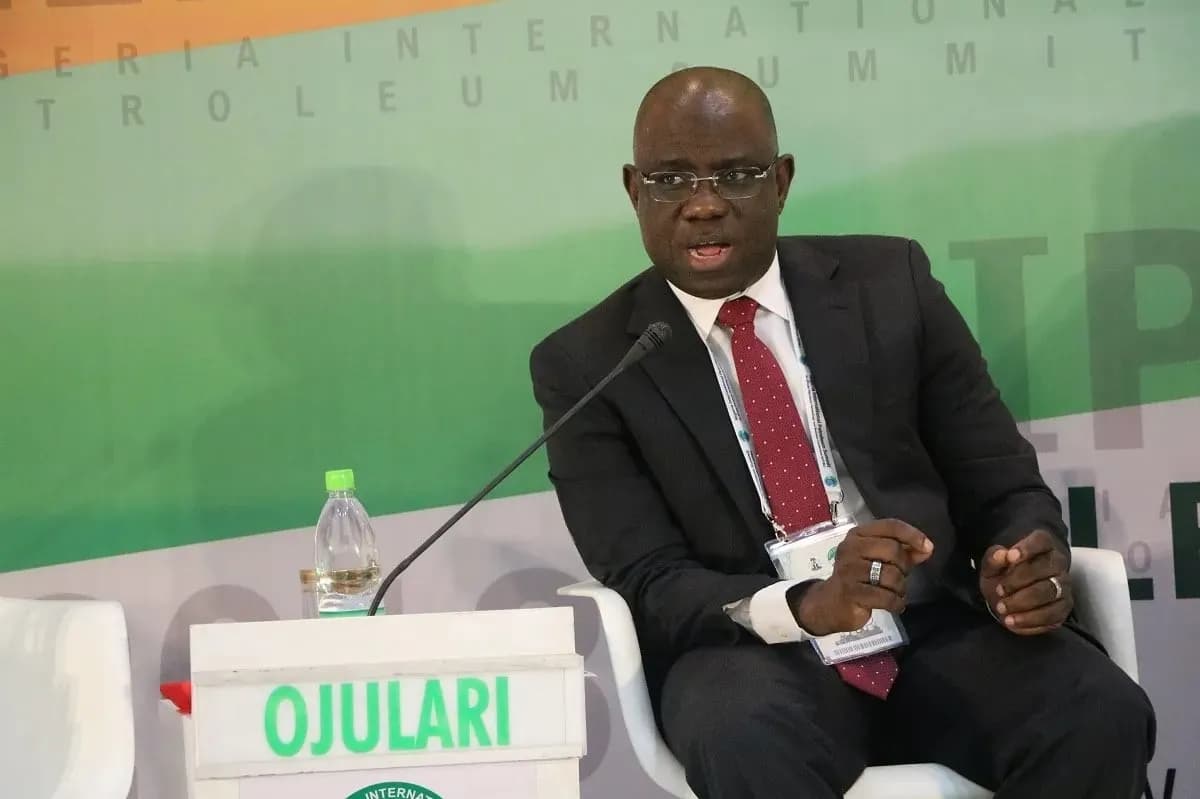
On April 2, 2025, President Bola Ahmed Tinubu appointed Bashir Bayo Ojulari as Group Chief Executive Officer of the Nigerian National Petroleum Company Limited (NNPCL), a decision many industry watchers viewed as a pivotal moment for the nation’s petroleum sector.
A seasoned petroleum engineer and former Shell executive, Ojulari promised technocratic reform, fiscal discipline, and an end to years of inefficiency. Backed by a presidential mandate, he aimed to make NNPCL transparent and profit-driven, restore Nigeria’s credibility in crude markets, and revive refineries that had consumed trillions without producing fuel.
Early Reforms and Internal Resistance
Within weeks, Ojulari sacked the managing directors of the Warri, Kaduna, and Port Harcourt refineries. Insiders described it as a radical clean-up to stop value erosion and financial sabotage. He also launched an audit of downstream operations, signalling readiness to confront entrenched interests. One NNPCL insider said bluntly, “The house he came to clean is full of termites.”
From Reformist Hopes to Corruption Allegations
By July 2025, optimism waned. Civil society groups accused Ojulari of links to a $21 million corruption scandal involving businessman Abdullahi Bashir Haske, allegedly his associate. Haske was reportedly caught with funds tied to NNPCL contracts. Statements attributed to Haske claimed the money belonged to Ojulari, sparking Abuja protests and calls for his suspension.
NNPCL denied the allegations, calling the rumours politically driven. Yet Ojulari’s reduced public appearances fuelled speculation. By August, pressure came from civil society, media, and the Senate.
Senate Showdown Over Missing ₦210 Trillion
The Senate Public Accounts Committee accused NNPCL of failing to account for ₦210 trillion in its 2023 financials—₦103 trillion in unexplained liabilities and ₦107 trillion in suspicious receivables. Ojulari skipped several committee summons, citing overseas engagements through CFO Dapo Segun.
When he finally appeared, he blamed the gaps on “legacy accounting positions” from past management. Senators were unconvinced, warning that the company’s credibility was at stake.
CFO Segun Pulled Into Legal Battle
CFO Dapo Segun now faces his own troubles. Rights for All International filed a suit seeking his dismissal, prosecution, and an EFCC probe. The allegations include a ₦5 trillion refinery rehabilitation scandal and the controversial OVH Energy acquisition during his tenure as EVP Downstream.
The Federal High Court in Abuja will hear the case on October 30, 2025. Activists want Segun suspended to prevent interference.
Reformist or Cabal Target?
Ojulari still enjoys support from some civil society groups, policy analysts, and northern elder forums. They argue he is under attack from a powerful oil-sector cabal for cancelling inflated contracts, reviewing pipeline surveillance deals, and enforcing stricter financial controls.
Critics counter that his delayed Senate appearance, stalled refinery revival, and unresolved financial gaps weaken his reformist image.
What’s at Stake for Tinubu’s Oil Agenda
The scandal threatens NNPCL’s planned Initial Public Offering (IPO), a core part of Tinubu’s economic strategy. Industry experts warn that continued opacity and leadership crises could scare off investors.
So far, neither the EFCC nor the Presidency has confirmed an investigation into Ojulari. In the court of public opinion, however, the battle lines are drawn—between those who see a reformer under siege and those who see another executive swallowed by Nigeria’s oil politics.
The next few months, especially the October 30 court date for Segun’s case, will determine whether this ends as a breakthrough for transparency—or another failed reform in NNPCL’s turbulent history.