

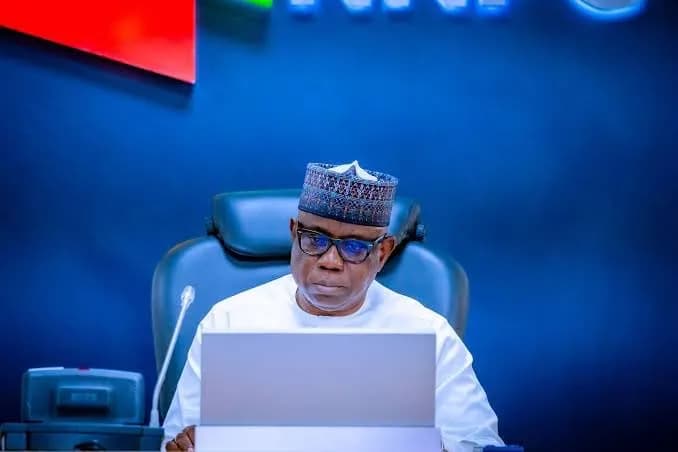
The Nigerian National Petroleum Company (NNPC) Limited lost up to ₦500 million monthly at the Port Harcourt refinery before shutting operations, Group Chief Executive Officer Bayo Ojulari revealed on Thursday.
Ojulari spoke in Abuja while hosting leaders of the Petroleum and Natural Gas Senior Staff Association of Nigeria (PENGASSAN), led by its president, Festus Osifo. He blamed years of neglect and poor maintenance for crippling the once-vital national refining facility.
“When you fix one thing, the other thing is still there. So, it’s been very difficult to get it,” Ojulari said.
Audit Exposed Huge Losses
Ojulari said he ordered a review of NNPC’s refineries immediately after assuming office. The findings showed Port Harcourt drained between ₦300 million and ₦500 million monthly.
He explained that NNPC pumped about 950,000 barrels of crude into the refinery, but it processed less than 40 percent effectively. The facility ran only partially and produced mid-grade products that generated consistent financial losses.
“The refinery’s design required the old unit to feed the new one for market-standard output. That design broke down,” Ojulari explained.
NNPC Halted Operations to Stop Losses
Ojulari noted that the company stopped operations to prevent further waste and worsening inefficiency.
“Rather than continue to lose, we decided to halt operations and design a plan that ensures profitability and jobs,” he stated.
Tinubu Demanded Long-Term Results
Ojulari emphasized that President Bola Tinubu never pressured him to cut corners. Instead, Tinubu directed him to focus on sustainable efficiency and transparent delivery.
“The mandate I received was to assess the baseline and ensure our actions deliver lasting results. There was absolutely no political pressure,” he said.
Rehabilitation Still on Course
Ojulari confirmed that NNPC paused work at Port Harcourt while exploring better options. He stressed that the rehabilitation project remains active and ruled out any plans to sell the facility.
“We remain committed to completing the rehabilitation and making the refinery viable for Nigeria’s future energy security,” Ojulari assured.