

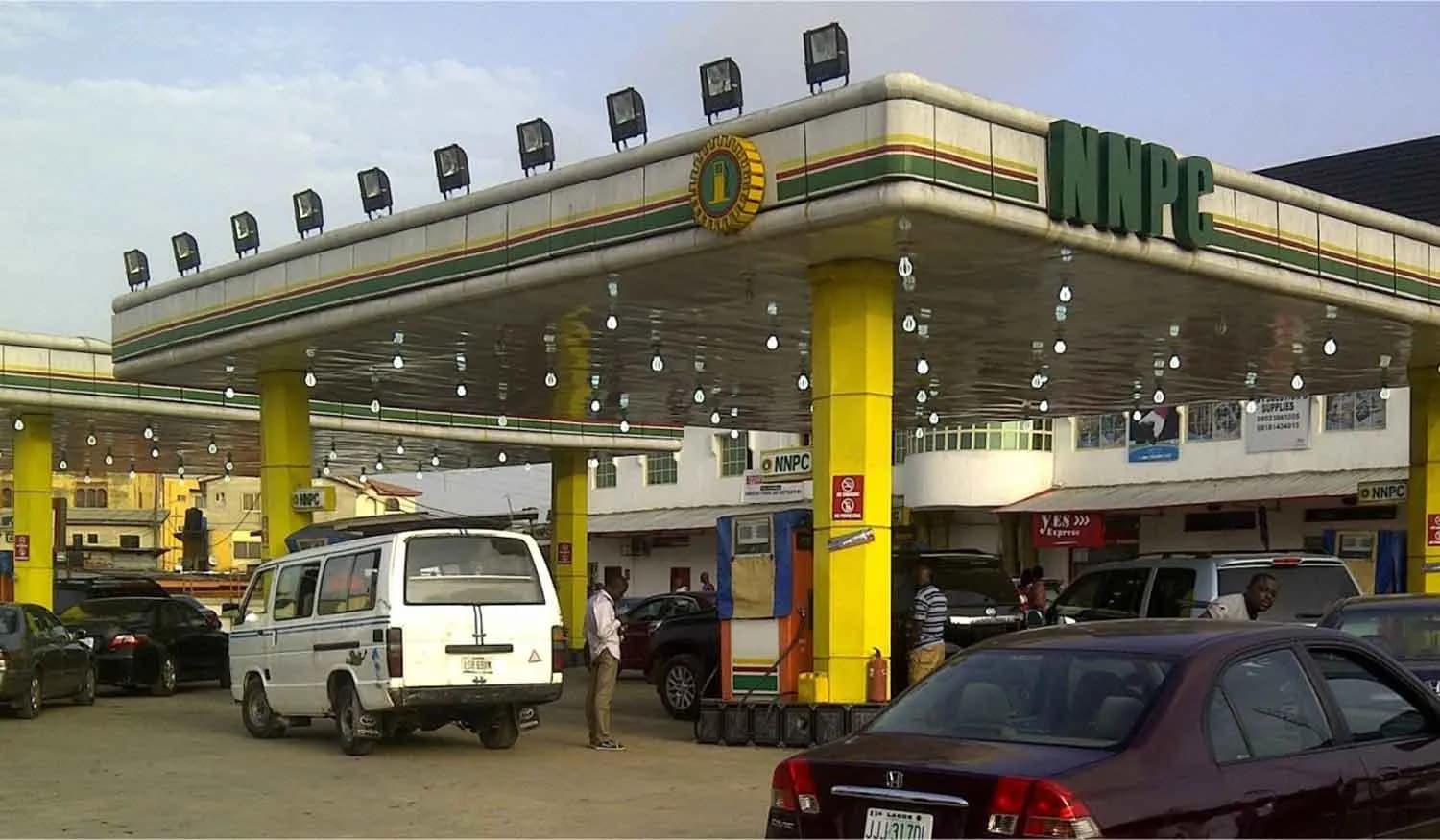
The Nigerian National Petroleum Company Limited (NNPCL) has adjusted the pump price of Premium Motor Spirit (petrol) at its retail outlets, offering significant relief to motorists. In Lagos, the price per litre now stands at ₦1,015, while in Abuja, it has been set at ₦1,040. The changes were observed at several outlets, including the Abule Egba station on Olayiwola Street.
This development follows weeks of public concern over rising energy costs amid the removal of fuel subsidies in 2023 and the increased reliance on market-driven pricing. It comes as NNPCL begins to incorporate petrol from the Dangote Refinery into its supply chain.
Context Behind the Price Reduction
The adjustments align with expectations tied to the Dangote Refinery’s gradual ramp-up in production. With a capacity of 650,000 barrels per day, the refinery is expected to bolster local supply and reduce Nigeria’s reliance on imported petroleum products. While the exact reasons for the current price cuts remain unclear, analysts speculate that increased efficiency and reduced logistics costs may have influenced the pricing decision.
The price change marks a notable deviation from the steady hikes witnessed over the past year, with rates exceeding ₦1,070 in many urban areas earlier this month. This adjustment could signal stabilisation in the downstream oil sector, though it may be short-lived without sustained increases in local refining capacity.
Public and Economic Implications
Motorists in Lagos and Abuja have welcomed the new pricing but remain cautious. Long queues were seen at major NNPCL outlets, suggesting increased demand as consumers take advantage of the reduced rates. For small business owners and transport operators, the reduction offers temporary respite from the high operating costs exacerbated by inflation.
The Nigerian Labour Congress (NLC), which previously criticised the government’s handling of fuel pricing, has called for more substantial interventions to mitigate the economic burden on citizens. Energy experts warn that the long-term impact of the reduction will depend on consistent supply and improvements in refinery output.
Looking Ahead
As Nigeria continues to navigate its energy transition under the “Decade of Gas” initiative, further developments in local refining and distribution infrastructure will be pivotal. The NNPCL’s ability to maintain competitive pricing amidst fluctuating global oil markets and operational challenges at the Dangote Refinery will likely define the trajectory of fuel costs in the coming months.
This price reduction offers temporary relief but highlights the need for broader reforms to ensure energy security and affordability for Nigerians.