

The Federal Government of Nigeria has instructed the Nigerian National Petroleum Company Limited (NNPCL) to raise national crude oil production to 2.5 million barrels per day (bpd) by the year 2026, in a renewed drive to boost energy output and attract investment in the country’s oil and gas sector.
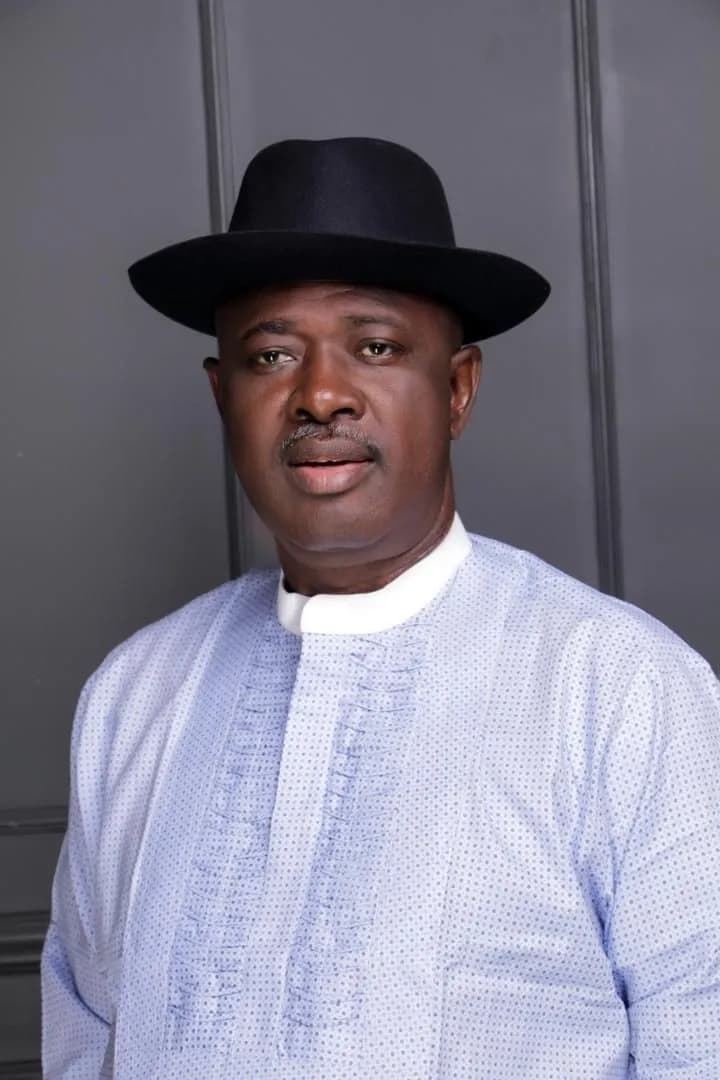
The directive was issued by Minister of State for Petroleum Resources (Oil), Heineken Lokpobiri, during an interview with the News Agency of Nigeria (NAN) at the Africa Energy Forum (AEF) held in Houston, Texas. The 2025 edition of the forum, organized by ACME Multech Services Nigeria, carries the theme: “Africa’s Energy Investment Drive Amid Global Transition to Green Minerals and Clean Energy.”
Revised Production Target and Government Optimism
Lokpobiri disclosed that although President Bola Tinubu had initially set a target of 2 million bpd, the figure has now been revised upward.
“When the new NNPCL management visited me, I raised their production target from the President’s initial goal of two million bpd to 2.5 million bpd,” the minister stated.
He expressed confidence in achieving the target, citing historical precedent when Nigeria reached similar levels of production during the COVID-19 period, despite limited capital inflow.
Progress and Reforms in Oil Output
Since assuming office, Lokpobiri said the administration has improved daily crude output from 1 million bpd to approximately 1.8 million bpd. He attributed this to aggressive reforms and efforts to mitigate pipeline vandalism and crude oil theft, both of which have long plagued Nigeria’s upstream sector.
He also highlighted the enforcement of the “Drill or Drop” provision under the Petroleum Industry Act (PIA), which mandates ongoing exploration and reserve replacement for sustained production.
Global Fossil Fuel Financing and Criticism of Western Policies
Addressing the issue of financing, the minister revealed that NNPCL has not received funding from the World Bank, which has halted fossil fuel-related investments. Instead, the company is partnering with international oil companies (IOCs) to explore alternative funding sources.
He criticized what he termed the “geopolitical undertone” of Western calls to end fossil fuel production:
“The COP agreements support emission reductions not the abandonment of oil production. Ironically, many facilities used to manufacture electric cars and lithium batteries still depend on fossil fuels and coal,” Lokpobiri said.
Nigeria Positioned as Investment Destination
Lokpobiri reaffirmed Nigeria’s position as a prime destination for energy investments, noting that the nation’s regulatory stability and globally competitive fiscal regime offer a compelling case for both hydrocarbon and clean energy investments.
Africa Energy Forum 2025: Focus on the Continent’s Future
Also speaking at the AEF, Mrs. Jumoke Oyedun, Managing Director of ACME Multech Services Nigeria, emphasized that the forum provides a critical platform to assess Africa’s energy exploration landscape while navigating the continent’s role in the global energy transition.
She explained that AEF 2025 would:
- Explore investment and funding opportunities in hydrocarbons and renewables.
- Address regulatory frameworks and governance issues.
- Highlight how African policymakers can attract capital, especially amid upcoming shifts in U.S. energy policy after the 2025 elections.
“Africa stands at a strategic crossroads. Smart, balanced investments in hydrocarbons and green minerals can drive sustainable development while ensuring that local communities benefit from their resource wealth,” Oyedun added.
Regional Collaboration and Energy Diplomacy
Delegates from the petroleum ministries of Nigeria, Togo, Senegal, Algeria, Ghana, Liberia, and The Gambia attended the forum, underscoring a collective regional commitment to energy cooperation and investment readiness.