

Nigeria is ramping up efforts to unlock the full potential of its gas sector, with the Nigerian National Petroleum Company Limited unveiling a bold strategy to attract $60 billion in investments and nearly triple its proven gas reserves. The move underscores a deliberate shift towards gas as a cornerstone of the country’s energy future.
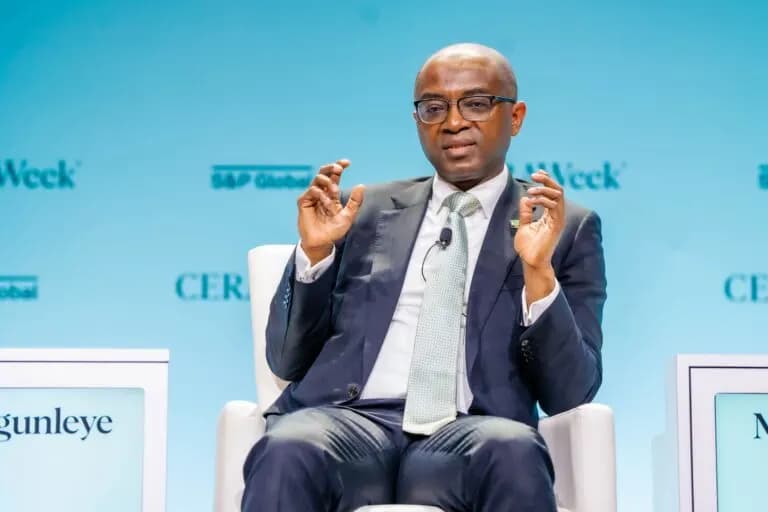
At the CERAWeek energy conference in Houston, NNPCL’s Executive Vice President for Gas, Power and New Energy, Olalekan Ogunleye, disclosed that the company aims to grow Nigeria’s gas reserves from about 210 trillion cubic feet (tcf) to 600 tcf, while scaling up production capacity significantly.
Under the plan, daily gas output is projected to rise from 7.4 billion standard cubic feet to 12 billion by 2030, exceeding the Federal Government’s growth target and positioning Nigeria to play a stronger role in global gas supply.
The strategy is anchored on Nigeria’s geographic advantage and abundant gas resources. With geopolitical tensions disrupting key global supply routes, particularly around the Strait of Hormuz, NNPCL believes Nigeria is well-placed to emerge as a reliable supplier of liquefied natural gas to Europe, Asia, and other high-demand markets.
However, the company stressed that delivery not ambition will define success. The Gas Master Plan is designed to be execution-driven, with a focus on disciplined implementation, investor-friendly incentives, and strategic partnerships to unlock capital and accelerate development.
For the broader economy, the stakes are significant. Expanding gas production could boost foreign exchange earnings, deepen industrialisation through gas-based industries, and reduce Nigeria’s long-standing dependence on crude oil exports. It also aligns with ongoing efforts to strengthen domestic gas utilisation.
While the targets are ambitious, they reflect a growing urgency to harness Nigeria’s vast but underdeveloped gas reserves. If effectively implemented, the plan could reposition the country as a major force in the evolving global energy market.