

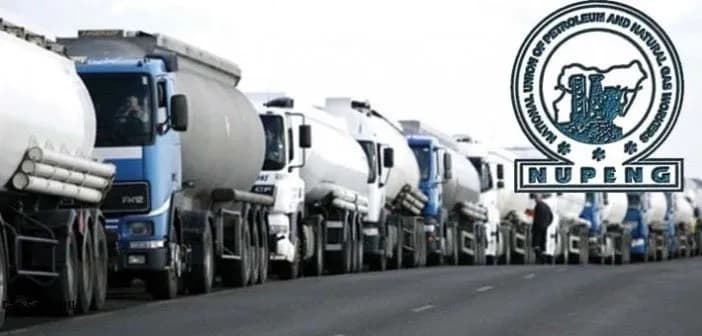
The Nigeria Union of Petroleum and Natural Gas Workers (NUPENG) and the Petroleum and Natural Gas Senior Staff Association of Nigeria (PENGASSAN) have opposed the Federal Government’s plan to sell part of Nigerian National Petroleum Company Limited’s (NNPC Ltd) equity in high-performing joint ventures (JVs).
In a joint letter dated September 22, 2025, the unions warned President Bola Tinubu that the sales would endanger Nigeria’s economic future. The letter, routed through the Secretary to the Government of the Federation, directly challenged the roles of the Ministry of Petroleum Incorporated (MOPI) and the Ministry of Finance Incorporated (MOFI).
According to the unions, the government intends to sell at least 25% of NNPC’s 55% equity in Renaissance and Oando JVs. They also cited plans to dispose of 35% or more of the Federation’s 60% equity in SEPNL JV. If carried out, Nigeria would retain only 30% and 25% stakes, leaving control with private firms.
Why the Unions Object
NUPENG and PENGASSAN outlined seven dangers:
- Risk of NNPC bankruptcy – Divestments could cripple NNPC’s finances and limit its ability to meet staff and social obligations.
- Weakened energy security – Private control undermines Nigeria’s capacity to stabilize supply and respond to shocks.
- Revenue and forex losses – Shrinking equity reduces taxes, dividends, and inflows that support the Federation’s budget.
- Threat to jobs and local content – Hasty sales undermine employment, skills transfer, and community obligations.
- Conflict with PIA goals – The Petroleum Industry Act (PIA) was meant to strengthen NNPC, not strip national holdings.
- Loss of national voice – Reduced stakes weaken Nigeria’s influence on field development, decommissioning, and local projects.
- Dangerous precedent – Once sold, recovering these assets would be costly and nearly impossible.
Call to Halt the Plan
The unions compared the proposal to “selling seed corn to pay today’s bills,” warning it would mortgage Nigeria’s future. They stressed that the assets should not be “traded away behind closed doors for the benefit of a few.”
The statement carried the signatures of Comrade Williams Eniredonana Akporeha, President of NUPENG; Comrade Festus Osifo, President of PENGASSAN; Comrade Afolabi Olawale, General Secretary of NUPENG; and Comrade Lumumba Ighotemu Okugbawa, General Secretary of PENGASSAN.
In conclusion, NUPENG and PENGASSAN urged President Tinubu to halt the planned sales immediately. They argued that selling the JVs would shrink national revenue, weaken energy security, and erode the backbone of Nigeria’s economy.