

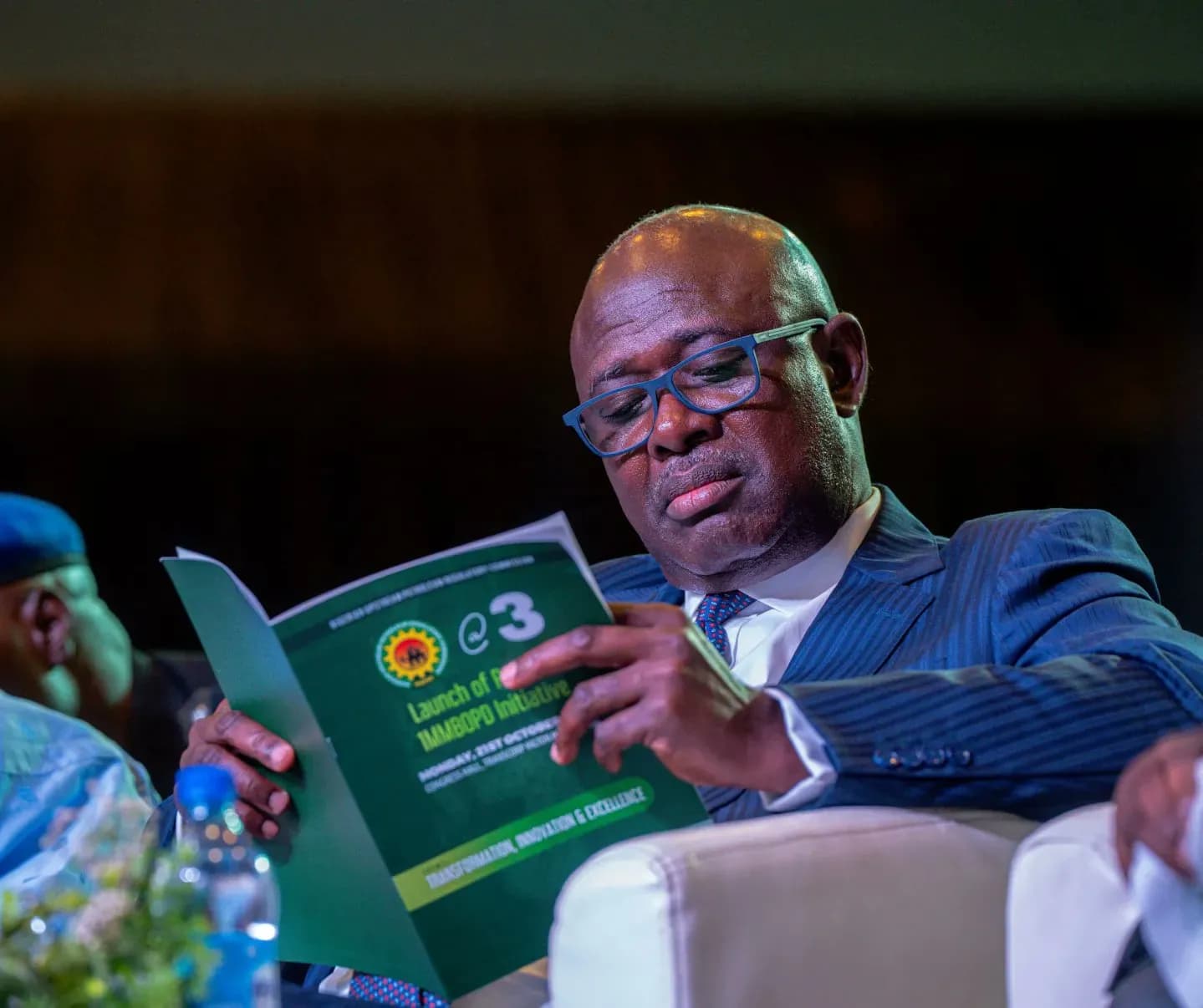
The Nigerian Upstream Petroleum Regulatory Commission (NUPRC) has announced the launch of its Project 1 Million Barrels of Oil Per Day (1MMBOPD) initiative. This industry wide initiative is designed to increase Nigeria’s daily oil production, addressing the shortfall in production and aligning with President Bola Tinubu’s directive for boosting the country’s energy output. The project aims to position Nigeria as a stronger player in the global energy market, enhancing both production and federation revenue.
A Strategic Move for National Prosperity
The launch of the 1MMBOPD initiative is seen as a critical step in supporting Nigeria’s oil sector amidst growing global challenges in the energy transition. During the project’s unveiling, NUPRC highlighted the need for collaboration among stakeholders in the industry to ensure the sustainability of oil production. With a current production level hovering around 1.6 million barrels per day, this initiative seeks to push Nigeria closer to its full potential and meet the President’s target of significantly increasing output.
“The journey we have embarked upon is one that will define our future prosperity,” remarked the NUPRC leadership during the event. This project, themed “NUPRC at Three: Transformation, Innovation, and Excellence,” encapsulates the agency’s commitment to driving growth and fostering shared prosperity in the oil and gas sector.
Regulatory Reforms and Industry Challenges
Since the enactment of the Petroleum Industry Act (PIA) in 2021, NUPRC has focused on introducing critical regulations to improve transparency, predictability, and competitiveness within the sector. Over the past three years, the commission has implemented 25 priority regulations, with 17 already operational, which have streamlined processes and boosted investor confidence.
Despite these efforts, the global energy landscape, characterised by a push towards decarbonisation and calls to defund fossil fuel industries, continues to pose challenges. Nigeria, with its substantial reserves of 37.7 billion barrels of oil and 209.26 trillion cubic feet of gas, has been working to balance the demands of the global energy transition with its own economic needs.
The Road to Energy Security: Collaborations and Investments
Central to the success of Project 1MMBOPD is collaboration. NUPRC is working with both local and international industry stakeholders, service providers, financiers, and crude oil off-takers to unlock new production opportunities. The commission also stressed the importance of maintaining a healthy reserve to production ratio to ensure long-term sustainability, positioning Nigeria as a leader in resource valorisation within Africa.
Already, signs of progress are visible, with increased rig activities, well interventions, and feed developments that are expected to further boost production. As of 2024, these efforts have resulted in a notable rise in oil output from 1.2 million to 1.6 million barrels per day. However, NUPRC acknowledges that this still falls short of the production levels required to meet the President’s directive.
Marginal Fields and New Licensing Rounds
Further to the PIA’s provisions, the 2020 Marginal Field Bid Round concluded with the issuance of Petroleum Prospecting Licenses (PPLs) for 50 fields. These fields are projected to yield an additional 50,000 barrels of oil per day and 90 million standard cubic feet of gas in the near term. The streamlined work programme, designed to bring these fields into production within three years, has already seen progress in well interventions and project developments.
In addition, the 2024 Licensing Round has been optimised to attract global investments by lowering entry barriers and eliminating substantial asset acquisition fees. This new framework, approved by President Tinubu, has been lauded for increasing investor appetite and setting the stage for a successful round of bids.
Decarbonisation and Sustainability: A Forward-Looking Approach
With global energy dynamics shifting towards cleaner and more sustainable energy sources, NUPRC has incorporated decarbonisation strategies into its regulatory framework. In line with the federal government’s commitments to emissions reduction, the commission has awarded 49 Flare Gas Sites to 42 entities, creating a pathway for the commercialisation of 250 million standard cubic feet of flared gas. This initiative not only generates value but also improves Nigeria’s environmental credentials.
NUPRC’s commitment to environmental stewardship is also reflected in its engagement with host communities. The commission has facilitated the incorporation of 137 Host Community Development Trusts, fostering transparency and promoting harmonious relationships between the industry and its host communities.
Strengthening Regional Influence
On the international stage, NUPRC is leading efforts to foster collaboration among African petroleum regulators. In May 2024, the commission spearheaded the formation of a forum of African regulators, known as the Abuja Declaration, aimed at addressing common challenges in resource sustainability and energy security. This initiative seeks to deepen regional cooperation and align regulatory frameworks across the continent, ensuring Africa’s energy sector remains competitive.
Looking ahead, the commission plans to further its influence at the upcoming Nigeria International Energy Summit in February 2025, where African regulators will convene to share knowledge and drive investment into the continent’s energy sector.
Ministerial Support for the Gas Sector
At the project launch, both the Minister of State for Petroleum Resources (Oil) and the Minister of State for Petroleum Resources (Gas) highlighted the significance of the oil and gas sectors in driving Nigeria’s economic development. In particular, the ministers emphasised the role of natural gas in the country’s energy future, underscoring the government’s “Decade of Gas” initiative.
This initiative aims to leverage Nigeria’s vast gas resources to ensure energy security, promote economic diversification, and reduce carbon emissions. Key measures, such as tax incentives for non-associated gas projects and investment allowances, have been put in place to encourage gas utilisation and infrastructure development. NUPRC’s role in implementing these policies has been instrumental in advancing the government’s goals.
Conclusion: A Strategic Vision for Nigeria’s Oil and Gas Sector
As NUPRC celebrates its third anniversary, the launch of Project 1MMBOPD marks a significant milestone in Nigeria’s energy journey. With a clear vision and a collaborative approach, the commission is poised to enhance oil production, attract investment, and create a more sustainable and competitive energy sector.
By focusing on regulatory reform, stakeholder engagement, and environmental stewardship, NUPRC is not only addressing the immediate challenges facing the oil and gas industry but also laying the groundwork for Nigeria’s long-term prosperity in a rapidly evolving global energy landscape.
As Nigeria moves forward, the success of Project 1MMBOPD will be crucial in ensuring the country remains a major player in global oil markets while transitioning towards a cleaner, more sustainable energy future.