

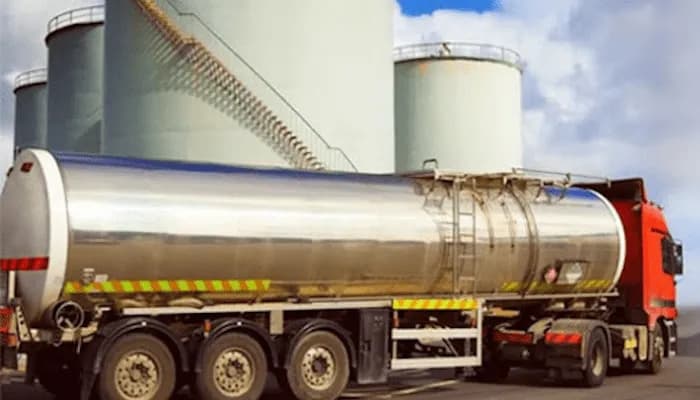
Nigeria’s oil marketers are raising concerns as fuel importation continues to drain the country’s scarce foreign exchange, despite a significant boost in domestic refining capacity. In just five months, the nation imported 6.38 billion litres of petrol and diesel, costing about ₦6 trillion.
Fuel Imports Persist Despite Local Refining Capacity
Independent marketers and retailers, under the Independent Petroleum Marketers Association of Nigeria (IPMAN) and the Petroleum Products Retail Outlet Owners Association of Nigeria (PETROAN), have criticised the continued reliance on imports. They argue that with the Port Harcourt and Warri refineries now operational and the Dangote Refinery producing petrol, there should be less need for fuel importation.
However, data from tanker vessel movements into Nigerian ports show that between October 2024 and February 2025, importers brought in:
- 5.01 billion litres of petrol
- 1.37 billion litres of diesel
With petrol averaging ₦900 per litre and diesel at ₦1,100 per litre, importers spent around:
- ₦4.51 trillion on petrol
- ₦1.51 trillion on diesel
This heavy spending on imports is a huge burden on Nigeria’s foreign exchange reserves, especially with the Central Bank of Nigeria struggling to stabilise the naira.
Where Is the Fuel Coming In?
The imported fuel arrived through four key seaports:
- Apapa and Tin Can ports in Lagos received 3.86 billion litres
- Port Harcourt port received 5.63 billion litres
- Calabar port received 1.39 billion litres
- Warri port received the lowest at 389.52 million litres
Nigeria’s Local Refineries Are Producing, So Why the Imports?
Nigeria now has a combined domestic refining capacity of 985,000 barrels per day enough to meet the nation’s estimated daily fuel consumption of 50 million litres.
- The Port Harcourt Refinery, restarted in November 2024, has a total refining capacity of 210,000 barrels per day (bpd).
- The Warri Refinery, back in operation since December 2024, focuses on producing kerosene, diesel, and naphtha.
- The Dangote Refinery, the largest in Africa, has a 650,000 bpd capacity and has been refining since early 2024.
With these refineries running, why is Nigeria still importing fuel?
Who’s Importing Fuel?
The Nigerian National Petroleum Company Limited (NNPCL) insists it has not imported a single litre of fuel in 2025, relying solely on local supply. However, the latest import data lists several private oil marketers as importers, including:
- BOVAS, Eterna Oil, AA Rano, Fatgbems, Matrix Energy, Rainoil, AYM Shafa, NorthWest, Swift, Ibeto, Shorelink, Stockgap, MEJ, and Nepal, among others.
Marketers Push Back Against Importation
Independent fuel marketers argue that continued importation contradicts efforts to boost local production.
According to PETROAN President Billy Gillis-Harry, all key industry players previously agreed to prioritise local refining to cut reliance on imports. He believes those still importing must be sourcing foreign exchange outside of the CBN since the bank is not offering $600 million for fuel imports.
IPMAN spokesperson Chinedu Ukadike also distanced independent marketers from fuel imports, stating:
“We are focused on getting our supply from local refineries. Importing fuel when we have enough refining capacity does not make sense.”
Both organisations stress that increasing local refining will:
- Reduce pressure on forex reserves
- Boost job creation
- Strengthen the naira
- Position Nigeria as a net exporter of refined petroleum products
Major Marketers Defend Importation
On the other hand, Clement Isong, Executive Secretary of the Major Energies Marketers Association of Nigeria (MEMAN), argues that importation creates competition, which helps keep fuel prices lower.
“What ensures we get the best fuel prices is competition between locally refined and imported fuel. This way, prices at the pump remain competitive,” Isong explained.
What’s Next?
With the government aiming for self-sufficiency in petroleum refining, pressure is mounting for full reliance on domestic refineries. However, the persistence of fuel imports suggests lingering gaps in local supply or concerns about affordability.
The coming months will reveal whether Nigeria can finally end its fuel import dependence or if foreign-sourced petrol and diesel will remain part of the country’s energy mix.