

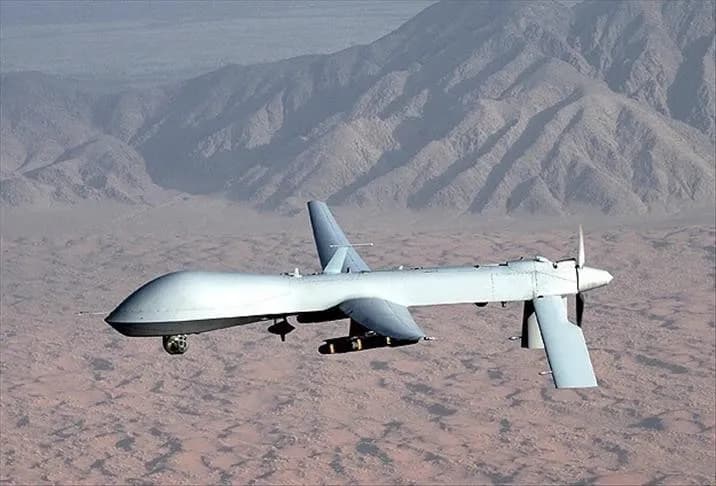
Relentless drone attacks have crippled oil operations in Iraq’s Kurdistan region, forcing the suspension of up to 200,000 barrels per day (bpd) and worsening already fragile ties between Erbil and Baghdad. Over three consecutive days, militants launched precision strikes on major oilfields, disrupting production and heightening concerns over regional energy security.
Late Wednesday, Kurdish authorities confirmed a fresh drone strike on an oil facility in Dohuk province tied to U.S. firm Hunt Oil. The attack, which occurred at 7:10 p.m. local time, marked the second strike on Dohuk within the same day. Chinese media, including Xinhua and China Daily Asia, reported the incident, citing confirmation from the Kurdistan Regional Government (KRG) Ministry of Natural Resources.
In the two days prior, explosive-laden drones hit the Tawke and Peshkabir fields operated by Norway’s DNO ASA, as well as the Dohuk site. Separately, attackers set fire to the Sarsang field run by HKN Energy. According to Kurdish news outlet Rudaw, those strikes triggered emergency shutdowns across multiple installations.
Militias Blamed as Oilfield Closures Spread
The situation quickly escalated. Industry body APIKUR (Association of the Petroleum Industry of Kurdistan) reported that more than 200,000 bpd of crude production is now offline, including output from sites shut down preemptively to prevent further damage.
Preliminary intelligence assessments cited by Reuters suggest Iran-aligned militias based in southern Iraq may have orchestrated the attacks. While no group has formally claimed responsibility, U.S. officials strongly condemned the strikes, warning they jeopardize Iraq’s economic stability and threaten broader regional security.
Meanwhile, the Kurdistan government described the strikes as deliberate acts of terrorism targeting national energy infrastructure. Al Arabiya echoed that view, underscoring the rising risks to energy operations in a region already under pressure.
Pipeline Paralysis Worsens Oil Export Dispute
To make matters worse, the Iraq-Turkey (Ceyhan) pipeline, previously a key export route, remains shut following a 2023 international arbitration ruling. The current production freeze now deepens the dispute between the federal government in Baghdad and the KRG over control of oil revenues and exports.
This new wave of attacks significantly raises the stakes in Iraq’s long-running oil governance crisis. By targeting vital infrastructure, the strikes not only disrupt local output but also expose wider vulnerabilities in the global supply chain.
As tensions flare and exports remain frozen, Kurdistan’s energy sector faces its most serious threat in years. The long-term implications may extend far beyond Iraq’s borders, especially if the violence spreads or foreign operators reassess their presence in the region.