

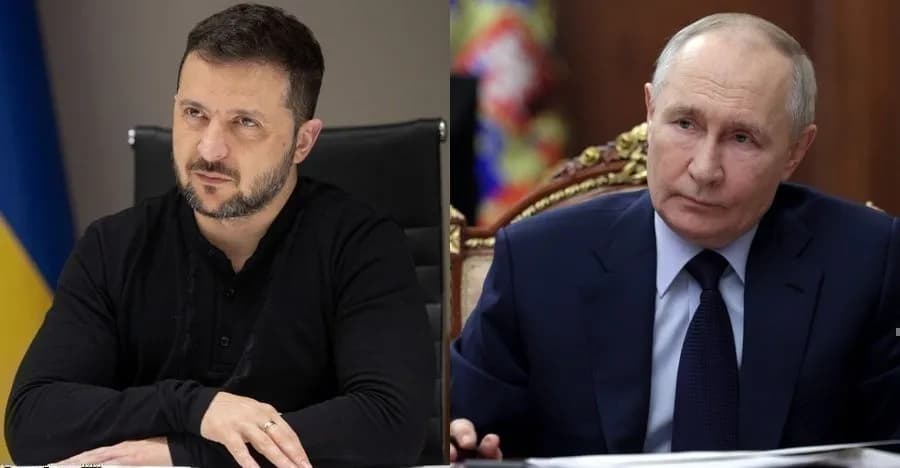
Crude oil prices climbed nearly 3 percent after peace talks between Russia and Ukraine ended without progress, reviving concerns that sanctions on Russian energy exports could remain in place longer than expected.
Earlier, some traders had priced in the possibility of a diplomatic breakthrough that could allow more Russian crude to return to global markets. However, when negotiations in Geneva stalled, that optimism faded, and geopolitical risk quickly returned to the forefront.
Benchmarks Rally on Renewed Geopolitical Risk
Brent crude for April delivery rose 2.74 percent to $69.15 per barrel as of 8:20 a.m. ET. West Texas Intermediate for March delivery gained 2.79 percent to trade at $64.05 per barrel.
Market participants had anticipated a possible “peace dividend,” which would have eased supply concerns. Instead, the collapse of talks reinforced expectations that restrictions on Russian oil could persist.
Ukrainian President Volodymyr Zelenskyy described the negotiations as difficult and accused Russia of failing to move meaningfully toward ending the conflict, now in its fourth year.
Iran Factor Adds Volatility
Meanwhile, traders are also monitoring developments involving Iran. U.S.-mediated nuclear negotiations could eventually result in sanctions relief and allow additional Iranian crude into the market.
At the same time, joint naval drills involving Iran and Russia, along with renewed tensions around the Strait of Hormuz, have kept supply disruption risks in focus. About 20 percent of the global oil trade passes through the waterway.
As a result, the market continues to swing between expectations of added supply and fears of fresh disruptions.
European Energy Dispute Escalates
In Europe, a separate dispute has added to uncertainty. Hungary halted diesel shipments to Ukraine after crude flows through the Druzhba pipeline stopped.
Hungarian Foreign Minister Péter Szijjártó described Ukraine’s move to block Russian oil transit as “political blackmail,” insisting that no technical issue prevents shipments from resuming.
To protect domestic supply, Hungary’s MOL Group has requested access to about 250,000 tons of strategic crude reserves and is exploring alternative routes through Croatia via the Adriatic pipeline. Slovakia has also warned that prolonged disruption could affect fuel imports and limit exports.
However, Croatian Prime Minister Andrej Plenković has expressed caution about expanding Russian crude transit through Croatian territory, signalling that any increase in flows could face political scrutiny.
Market Outlook
For now, oil markets remain highly sensitive to geopolitical developments. While diplomatic efforts continue, traders appear to prioritise supply risks, keeping crude prices supported in the short term.