

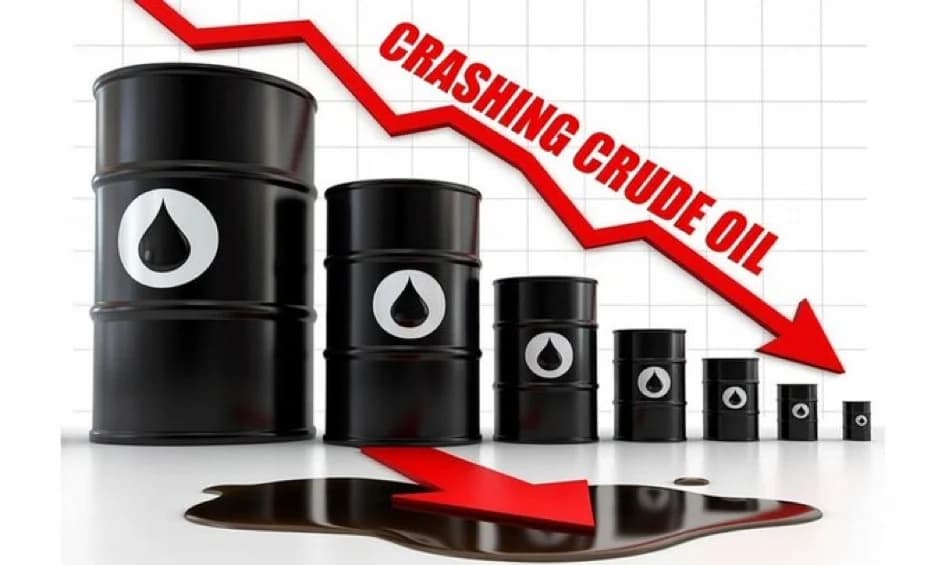
Global oil prices declined for a second consecutive session after the United States halted its planned naval escort of vessels through the Strait of Hormuz, raising expectations of a possible de-escalation in tensions.
Prices came under renewed pressure following the announcement by Donald Trump that the initiative, known as “Project Freedom,” would be temporarily suspended. The decision was presented as part of efforts to allow room for potential negotiations, even as broader restrictions in the area remain in place.
Following the development, Brent crude fell to about $106.50 per barrel, while West Texas Intermediate (WTI) dropped below the $100 mark to trade around $98.55 per barrel.
Market sentiment shifted on expectations that diplomatic engagement could ease disruptions in the Strait of Hormuz, a key global oil transit route. The pause in U.S. escort operations signalled a potential cooling of hostilities, which had previously driven prices higher.
Earlier in the week, U.S. naval forces had begun escorting commercial vessels through the strait, with the United States Central Command confirming that warships had accompanied merchant vessels out of the region.
The move had drawn a strong response from Iran, which warned against foreign military presence in the waterway. Iranian authorities also claimed that warning shots were fired at a U.S. naval vessel, an assertion later disputed by U.S. officials.
Oil markets have reacted sharply to each development. Prices initially weakened after the escort plan was announced, then rose following heightened tensions and threats of military confrontation. The latest pause in the operation has again pushed prices lower, despite the absence of a confirmed agreement between the parties.
In a related development, Marco Rubio called on the United Nations to intervene, urging collective action to address security concerns in the region and ensure the safe movement of vessels.
Analysts note that while the price decline reflects expectations of easing tensions, uncertainty remains high, with no concrete framework yet in place to resolve the standoff. As a result, oil markets are likely to remain sensitive to further geopolitical developments in the Gulf.