

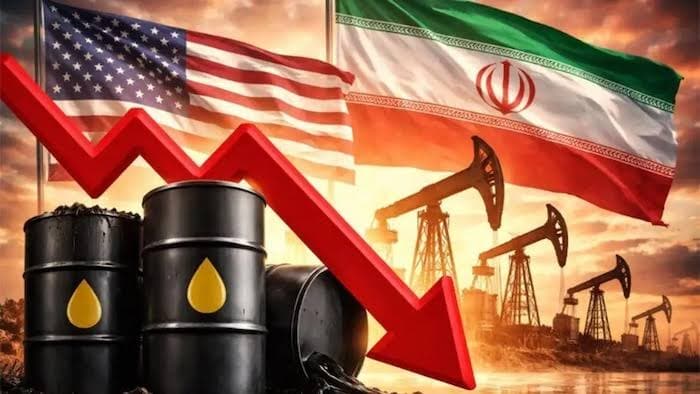
Oil prices fell nearly 4% in early trading on Monday, November 2, as renewed diplomatic efforts by Iran and Qatar to end the US-Israeli war eased concerns about further escalation and potential disruptions to Middle East oil supplies.
As at the time of writing 5:30 am (WAT), Brent crude traded at $109.70 per barrel, down 3.31%, while West Texas Intermediate (WTI) fell 3.38% to $100.60. The decline followed a strong rally in October, when Brent ended the month at its highest level in six months amid concerns over the conflict.
The pullback followed three consecutive days of discussions involving Iranian and Qatari officials aimed at securing an agreement to end the conflict.
Iranian Foreign Minister Abbas Araqchi said on Sunday that the talks with Qatari mediators were ongoing and progressing, adding that Tehran remained prepared for both defence and diplomacy. The diplomatic engagement has eased some of the geopolitical risk premium that had supported oil prices in recent weeks.
KCM Trade chief market analyst Tim Waterer attributed the decline to a technical correction after last week's gains, noting that hopes of diplomatic progress and the absence of significant military escalation over the weekend had reduced immediate market concerns. However, he warned that renewed tensions after Tuesday's US midterm elections could push Brent towards $120 per barrel.
Despite the diplomatic efforts, security around the Strait of Hormuz remains a major concern for the oil market. Attacks on tankers transiting the strategic waterway have raised fears about shipping costs and the reliability of crude exports from the region, with any prolonged disruption capable of tightening global supply.
Meanwhile, OPEC+ maintained its December production targets at Sunday's meeting, keeping its current output policy unchanged as the alliance continues to face export disruptions linked to the Iran conflict.
For Nigeria's oil and gas industry, the decline in crude benchmarks could ease pressure on refinery feedstock and imported petroleum product replacement costs if sustained. However, lower international crude prices do not automatically translate into immediate reductions in petrol and diesel depot prices, which are also influenced by exchange rates, freight, inventories, product availability and competition among marketers.