

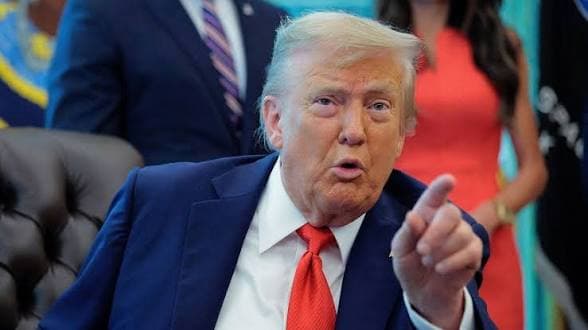
Global crude oil prices fell after US President Donald Trump said Washington would not launch attacks against Iran before the November midterm elections, easing immediate concerns about a fresh military escalation that could further disrupt oil flows through the Strait of Hormuz.
At the time of writing 04:00 am (WAT), Brent crude was trading at $103.50 per barrel, down 0.72%, while West Texas Intermediate (WTI) fell 0.61% to $90.93.
The market reaction followed Trump’s statement on Truth Social on Thursday that the United States would not attack Iran before the midterm elections on November 3. He also maintained that discussions with Tehran were continuing and claimed that oil was flowing in record volumes.
The statement eased immediate concerns that Washington could resume direct military operations against Iran, which could provoke retaliation and threaten crude shipments from the Middle East. However, it did not resolve the wider security risks confronting energy markets.
According to Oilprice.com, reports published earlier in the week indicated that the Pentagon had been asked to prepare military strike options for Trump to consider before the elections. The report cited two US administration officials, while stressing that no final decision had been made.
The prospect of renewed strikes had raised concerns that an escalation could push oil prices higher by intensifying threats to shipping through the Strait of Hormuz, a critical export route for crude oil and petroleum products. Iranian attacks on tankers in the area have added to concerns about the safety and reliability of regional energy shipments.
Iranian leaders are also reportedly suspicious of Washington’s position, with US and Israeli officials telling Axios that Tehran wants to avoid another surprise attack. Meanwhile, negotiations between the two sides have reportedly reached a stalemate, leaving the prospect of a lasting de-escalation uncertain.
For oil traders, Trump’s statement has reduced the immediate prospect of a US strike before the midterms, but the broader supply risk remains. Any renewed attacks on tankers, breakdown in negotiations or military escalation could restore the geopolitical risk premium in crude prices.
For Nigeria, lower international crude prices could moderate the value of export earnings if the decline persists. However, continued disruption around Hormuz could also raise shipping, insurance and refined-product procurement costs, creating competing pressures across the domestic oil and gas value chain.
The immediate market response therefore reflects a reduction in near-term fears of US military action rather than a resolution of the conflict. Oil price direction will remain sensitive to developments in US-Iran negotiations, tanker security and the volume of crude reaching international markets.