

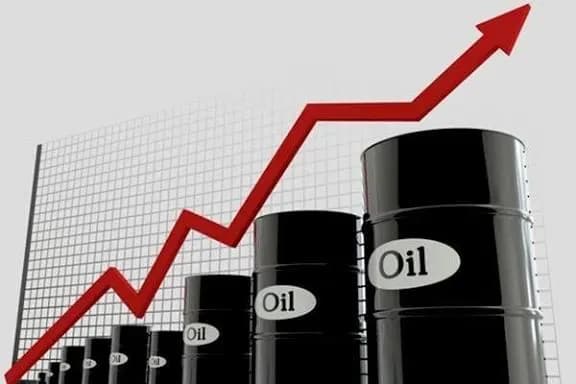
Global oil markets surged sharply as fresh data showed a strong rally across major benchmarks. Brent crude rose to $77.60, gaining +6.49%, while WTI crude climbed to $71.21, up +6.25% in the last trading window. Murban crude advanced to $78.36 (+5.55%), and Natural Gas strengthened to $2.896 (+1.29%), according to figures monitored on Oilprice.com.
The spike follows escalating hostilities between the United States and Iran, which have unsettled global markets and injected a fresh geopolitical risk premium into oil prices. The Strait of Hormuz through which over 20 per cent of global oil shipments pass remains the focal point of concern after tanker movements slowed and war-risk insurance premiums surged. Although OPEC+ approved a production adjustment of 206,000 barrels per day, analysts say the increase may do little to cushion the market if supply routes are disrupted.
Experts Warn of Possible Fuel Price Increase
Energy experts have warned that Nigeria may not be insulated from the global rally. Chief Executive Officer of Dairy Hills, Kelvin Emmanuel, said any sustained surge in crude prices could force refiners to adjust local product pricing.
“Any sharp increase in crude oil prices from this escalation will lead to a revision in the cracking margin spread of the refiner and, consequently, the price of refined products,” he stated. “If crude prices rise above $90 per barrel, the refiner will have to revise the price of PMS and diesel in Nigeria.”
Similarly, the Chief Executive Officer of Petroleumprice.ng, Olatide Jeremiah, noted that Nigeria’s exposure remains high because a significant portion of crude feedstock is still imported. “More than 60 per cent of Dangote refinery’s crude feedstock is being sourced abroad, and 40 per cent of refined products consumed are imported. Fuel prices will be at the mercy of oil prices,” he warned.
Energy law expert Dayo Ayoade of the University of Lagos added that the removal of fuel subsidies means domestic prices now respond directly to international movements. “Without subsidies, any crude price increase will directly impact fuel prices at the pump,” he explained.
Revenue Boost or Consumer Burden?
While higher oil prices could strengthen Nigeria’s foreign exchange earnings and improve government revenues, consumers may feel the immediate impact at filling stations. Petrol currently sells between ₦824 and ₦880 per litre across major cities, depending on location and logistics costs. If Brent sustains levels near $78 and climbs toward $90 as some analysts predict, marketers may have little room but to adjust prices upward.
For now, operators say they are closely monitoring developments in the Middle East. However, with geopolitical tensions persisting and shipping risks rising, Nigeria’s downstream market appears to be bracing for another possible price shift in the days ahead.