

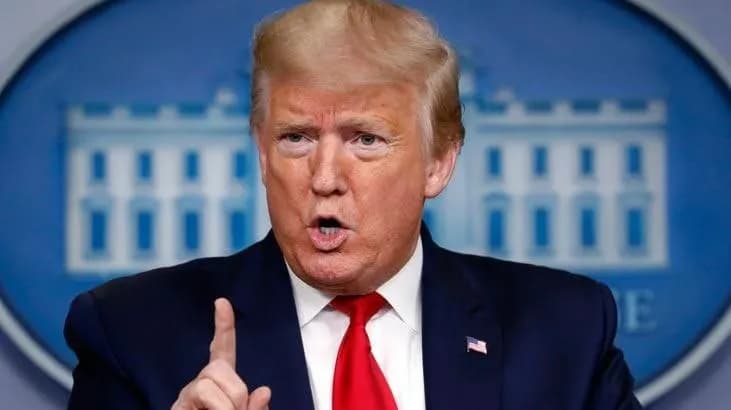
Crude oil markets are bracing for upward pressure after President Trump rolled out a sweeping new tariff regime targeting dozens of U.S. trade partners. The executive order, signed late Thursday, signals a significant shift in U.S. trade policy, raising concerns over global supply chains and energy cost volatility.
WTI, Brent Steady, But Murban Spikes
As of Friday morning, oil benchmarks reacted cautiously:
- Brent Crude inched down to $71.61 (–0.13%)
- WTI Crude dropped slightly to $69.12 (–0.20%)
- Murban Crude, however, surged 14.16% to $73.87, signalling a possible shift in demand toward Middle Eastern grades.
Natural gas also posted a modest gain of 0.23%, trading at $3.113.
Tariff Shake-Up Could Disrupt Global Oil Flows
Under the new tariff structure, countries like Canada (35%), India (25%), and Switzerland (39%) face immediate increases after missing the August 1 negotiation deadline. In contrast, trade partners like Japan and the EU secured last-minute deals, reducing their tariff exposure.
The changes could alter global crude trade dynamics, especially for refiners and traders dependent on U.S. imports and exports. Analysts warn that elevated costs on imported components, coupled with retaliatory tariffs, may constrict margins and delay shipments.
Political Tensions Fuel Market Uncertainty
Canada’s sharp tariff hike drew swift political backlash. Ontario Premier Doug Ford proposed a retaliatory 50% duty on U.S. steel and aluminium, escalating tensions between two of the world’s closest trading partners. Taiwan, despite a drop from 32% to 20%, remained a key focus due to its rising trade surplus with the U.S.
Oil Prices Face Upward Risk
Though oil prices remained relatively stable in early trade, the sharp spike in Murban and ongoing geopolitical uncertainty could push prices higher in the coming weeks. The reallocation of trade routes, particularly if U.S.-based supplies become costlier, may favour other crude grades and drive global prices upward.
Energy analysts say the tariff-driven friction could undermine supply chain efficiency and raise freight and insurance premiums factors that typically exert upward pressure on oil prices.
President Trump’s aggressive tariff strategy is reshaping the global trade landscape. While initial oil market reactions remain muted, the policy’s full impact may surface in the coming days. Rising logistical costs, redirected supply flows, and political pushback could all combine to lift oil prices beyond current benchmarks.