

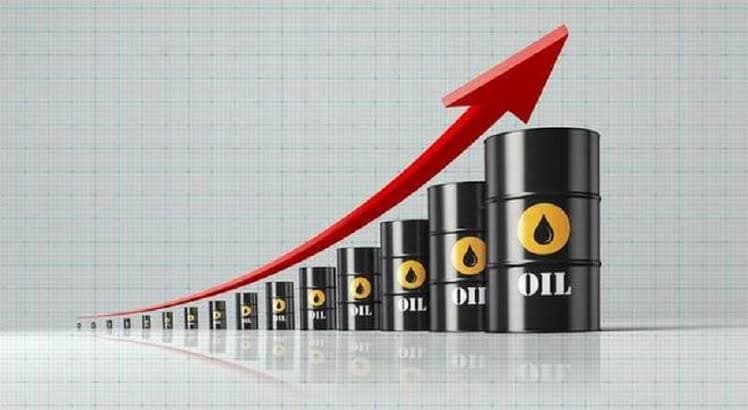
Oil prices extended their rally on Tuesday as persistent concerns over Middle East supply disruptions continued to outweigh signs of improving crude exports from the region.
As at 06:45 am (WAT), Brent crude was trading at $107.60 per barrel, up 2.18%, while West Texas Intermediate (WTI) stood at $94.40, gaining 1.94%.
The latest price movement follows a second consecutive session of gains, with traders continuing to price in the risks surrounding crude flows through the Strait of Hormuz. Although preliminary data from Kpler showed crude exports from major Middle Eastern producers rising to 12.8 million barrels per day in September, the recovery has not translated into normal market conditions.
A significant portion of the additional crude movement is being supported by ship-to-ship transfers, particularly around Saudi Arabia, as producers and traders seek alternative ways to move barrels amid disruptions to conventional shipping routes. These operations are more complex and costly, keeping additional pressure on the physical oil market.
The shipping constraints are also reflected in tanker rates, which have climbed sharply as vessels are tied up for longer journeys and additional ships are required to facilitate ship-to-ship transfers. The diversion of maritime traffic away from the Red Sea and towards the Cape of Good Hope has further increased voyage times and operating costs.
Meanwhile, separate contacts between US and Iranian officials through mediators have raised expectations of renewed efforts to ease the conflict. However, the market remains focused on whether any diplomatic progress can translate into a more stable operating environment for crude production, exports and shipping.
For Nigeria, sustained strength in international crude benchmarks remains significant because the country’s oil earnings, fiscal position and broader energy-market dynamics remain closely linked to global crude prices. Higher international prices can support export revenues, although elevated freight, insurance and other supply-chain costs can also affect the economics of petroleum products and crude-linked trade.
The market is therefore watching two competing developments: the gradual recovery in Middle Eastern crude movements and the continued disruption to normal shipping operations. Until those supply routes become more predictable, traders are likely to continue attaching a risk premium to crude prices.
The US is also considering regulatory relief that could allow wider sales of red-dyed diesel, potentially giving some buyers access to fuel without the federal fuel tax. The measure is being considered as an alternative to a broader diesel export restriction.
With Brent trading above $107 per barrel at the time of writing, developments around Middle Eastern production, the Strait of Hormuz, tanker availability and the direction of US-Iran discussions remain key variables for the global oil market and Nigeria’s downstream and upstream sectors.