

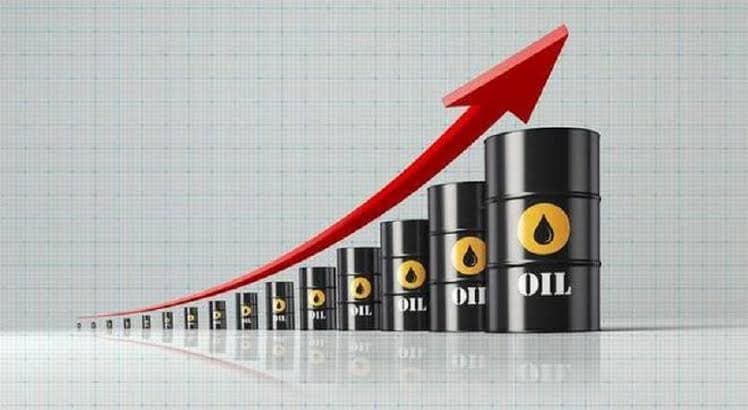
Global crude oil prices rose nearly three per cent in early trading on Monday after fresh military strikes between the United States and Iran renewed fears of further disruption to oil supplies and shipping through the Strait of Hormuz.
As at the time of writing, 6:13 am (WAT), Brent crude was up 2.45 per cent at $90.26 per barrel, while WTI crude gained 2.31 per cent to $85.33 per barrel.
The latest price rally followed a US strike on Iranian forces on Larak Island, located inside the Strait of Hormuz. Washington said the operation targeted Iranian Revolutionary Guard forces preparing to launch rockets and deploy sea mines in the strategic waterway. Iran later retaliated with ballistic missiles and drones against US military installations in Jordan.
The renewed confrontation has heightened concerns over the security of the Strait of Hormuz, a critical route for global oil shipments. Vessel traffic through the waterway remains significantly below pre-war levels, with visible commodity-vessel movements reportedly falling to about five ships a day over the weekend.
Shipping risks have also increased after the UK Maritime Trade Operations reported that another tanker transiting the strait was struck by an unidentified projectile. US Central Command said 83 commercial vessels had been redirected, while three were disabled and two boarded as of August 30 amid its blockade of Iranian ports.
The rebound comes after both Brent and WTI declined by more than four per cent last week as traders assessed prospects for easing tensions and recovering oil flows. Monday's gains have therefore recovered only part of the losses recorded during the previous week.
For Nigeria, sustained higher crude prices could strengthen oil revenues, but a prolonged Hormuz disruption could raise tanker freight, insurance and petroleum-product replacement costs. This could eventually feed into domestic fuel pricing if international shipping and supply disruptions persist.
The immediate focus for traders is whether the latest US-Iran strikes remain a contained exchange or trigger a wider escalation capable of disrupting Gulf crude exports and tanker traffic through the Strait of Hormuz.