

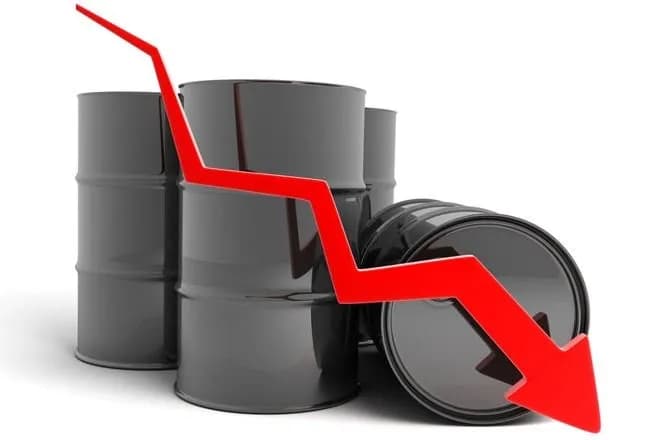
Global crude oil markets extended losses on Tuesday as optimism over a possible peace deal between Russia and Ukraine deepened bearish sentiment, pushing Brent crude below the $60-per-barrel mark for the first time since May.
As at 7:00 PM WAT Brent crude fell by more than 2% to trade around $59.22 per barrel, while US West Texas Intermediate (WTI) slid to about $55.58. Murban crude also declined to near $60, reflecting broad weakness across benchmarks. Natural gas prices followed the same downward trajectory, shedding close to 3%.
Peace Talks Reshape Supply Expectations
At the heart of the sell-off is renewed confidence that negotiations to end the Russia-Ukraine war are gaining traction. Markets reacted swiftly to reports of constructive talks and comments from US officials suggesting that negotiators are closer than ever to an agreement.
For traders, the implication is clear: a peace deal could ease sanctions on Russian crude exports. Any relaxation would likely release additional barrels into an already well-supplied global market, further tipping the balance towards oversupply. As a result, prices adjusted sharply lower to reflect this new risk.
This development matters because Russian oil, despite sanctions, has continued to flow albeit with growing difficulty in finding buyers. The possibility of sanctions relief has therefore amplified expectations of higher effective supply in the months ahead.
Weak Demand and Year-to-Date Losses Deepen Pressure
Beyond geopolitics, underlying market fundamentals remain fragile. WTI is now down about 22% year to date, putting it on course for its worst annual performance since 2018. Brent, down roughly 20% so far in 2025, is tracking its weakest year since the pandemic-driven crash of 2020.
Meanwhile, demand signals from key consuming regions remain mixed. Sluggish economic momentum in parts of Asia, combined with cautious refinery buying, has limited any price recovery. Notably, India one of the largest buyers of discounted Russian crude has reportedly reduced imports significantly this month, adding to concerns about unsold barrels floating at sea.
What This Means for Nigeria and Oil Exporters
For oil-dependent economies like Nigeria, sustained prices below $60 raise fiscal red flags. Lower crude prices squeeze government revenues, strain foreign exchange inflows, and complicate budget assumptions tied to higher benchmarks. While Nigerian grades often trade at a premium, prolonged weakness in global prices eventually filters through.
Looking ahead, oil markets will remain highly sensitive to headlines from Eastern Europe. Any confirmation of a ceasefire or sanctions easing could deepen losses. Conversely, delays or breakdowns in talks may offer short-lived support. For now, however, sentiment is firmly bearish, and traders are positioning for a market where supply risks outweigh demand recovery.